




The Shift to Mindful Merriment
Young hosts in India are increasingly blending tradition with a modern, conscious mindset. For them, the spirit of a festival is not just in the scale of the celebration but in the thoughtfulness behind it. This shift is driven by a greater awareness
of environmental issues and a desire to make more meaningful choices. Instead of single-use plastics and items with a high carbon footprint, they are turning to practices that are rooted in Indian heritage but have a positive environmental impact. This approach isn't about compromising on the festive spirit; it's about enhancing it by celebrating in a way that feels responsible and authentic. This growing movement shows that celebrating sustainably is becoming a priority for many.
Embrace Regional and Organic Produce
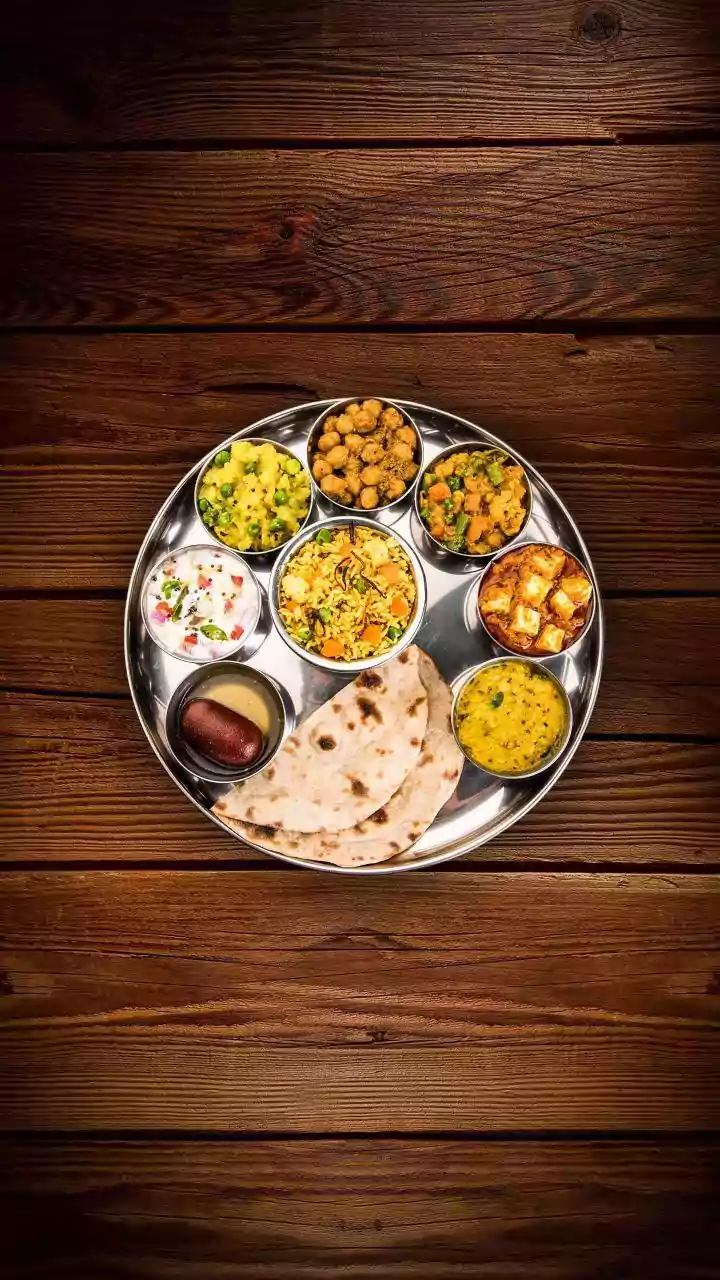
The foundation of any great feast is its ingredients, and this is where the first major sustainable swap is happening. Young hosts are championing the use of regional, seasonal, and organic produce. Choosing local vegetables and grains significantly reduces the carbon footprint associated with transporting food over long distances. It also means supporting local farmers and the regional economy. The move towards organic is driven by health concerns and a desire for better-tasting, chemical-free food. Studies show that organic produce can have lower levels of pesticide residue and higher antioxidant content. By focusing on what’s fresh and in season, hosts are rediscovering local flavours and creating menus that are both delicious and sustainable.
The Revival of the Banana Leaf
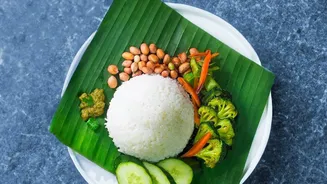
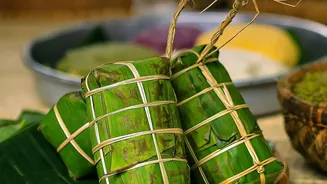
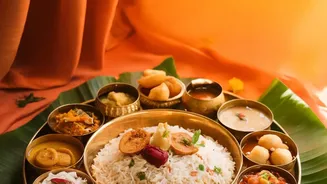
One of the most visible trends is the return of the humble banana leaf as a serving platter. A staple in South Indian traditions, the banana leaf is the ultimate eco-friendly alternative to disposable plates. They are 100% biodegradable, breaking down easily after use and enriching the soil instead of polluting landfills. Beyond their environmental credentials, banana leaves offer other benefits. They are coated with a natural wax and contain polyphenols, which are natural antioxidants. When hot food is served on the leaf, it imparts a subtle, earthy aroma that enhances the flavour of the dishes. Using banana leaves is a practical, elegant, and deeply traditional way to eliminate a major source of waste from festive gatherings.
Eco-Conscious Decor and Gifting
Sustainability extends beyond the dining table. For decorations, the focus is on natural and reusable materials. Instead of plastic garlands and synthetic streamers, think fresh, locally sourced flowers like marigolds, reusable cloth torans made from old sarees, and earthen diyas instead of wax candles that can release toxins. Even rangolis are getting a green makeover, with natural powders like turmeric and rice flour replacing chemical colours. Gifting is also becoming more thoughtful, with a move away from plastic-heavy hampers. Many are choosing to gift experiences, handmade items, or products from local artisans, which reduces waste and supports small businesses.
Minimising Waste in the Kitchen
A truly sustainable feast involves mindful planning to minimise waste. This starts with planning the menu carefully to avoid over-preparing food. Hosts are also getting creative with leftovers, finding ways to repurpose dishes to ensure nothing goes to waste. Composting food scraps is another effective strategy for managing organic waste responsibly. In the kitchen, single-use items are being replaced with reusable alternatives. This includes using cloth napkins, real cutlery, and avoiding plastic wrap and containers. By adopting a zero-waste approach in the kitchen, young hosts ensure that their celebration's environmental impact is as small as possible from start to finish.