


Indian festive seasons bring joy, family, and lots of food. But amidst the abundance, how can we teach our children to be mindful of waste? It's about turning moments of plenty into valuable lessons in gratitude and respect for our resources.
Start With the 'Why'
Before you
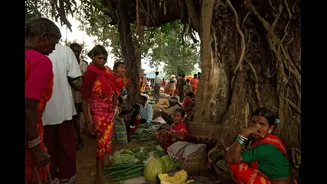
can teach the 'how', children need to understand the 'why'. Explain in simple terms that food doesn't magically appear. Tell the story of a grain of rice or a vegetable, from the farmer who grew it to the person who cooked it. This helps them appreciate the effort, water, and energy involved. You can explain that when food is wasted, all that hard work goes to waste too. Frame it in the context of festivals being a time for gratitude, not excess. Remind them that while we are lucky to have so much, many others are not, making it our duty to value every bite.
Involve Them in Festive Meal Planning
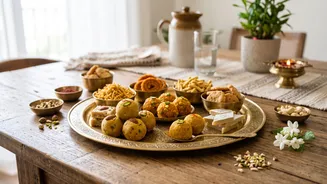
Turn meal planning into a fun family activity. When children have a say in the festive menu, they are more invested in eating the food. Ask them to help you check the pantry and fridge before making a shopping list. This teaches them to use what you already have. Let them help with age-appropriate kitchen tasks like washing vegetables, mixing ingredients, or shaping laddoos. This hands-on involvement not only teaches them valuable life skills but also gives them a sense of ownership and makes them less likely to waste the food they helped prepare.
Practice the 'Serve Small' Rule
During festive buffets, plates often get overloaded with excitement. Encourage a simple rule: take small portions first. Let children know they can always go back for a second helping if they are still hungry. This practice empowers them to listen to their bodies and understand their appetite, preventing the common problem of 'eyes bigger than their stomach'. For younger children, you can serve them yourself, starting with tiny portions of each dish they want to try. This simple habit can drastically reduce the amount of food left on plates, which is a major source of household waste.
Get Creative With Leftovers
Festivals often mean a fridge full of leftovers. Instead of seeing them as a burden, present it as a creative challenge. Turn it into a 'leftover makeover' game. Yesterday's sabzi can become a filling for parathas or sandwiches tomorrow. Leftover rice can be transformed into delicious fried rice or a tangy lemon pulao. Even mithai can be repurposed; leftover barfi or peda can be crumbled into kheer for extra richness. When children see how one meal can be creatively transformed into another, they learn a valuable lesson in resourcefulness and see leftovers as an opportunity, not waste.
Connect Waste to Sharing and Compassion
Festivals are fundamentally about community and sharing. Use this as a powerful teaching moment. Explain that the food we save from being wasted could feed someone in need. This makes the concept of food waste less abstract and more about its human impact. If you have excess, unopened food items, involve your children in donating them to a local food bank or charity. Many organisations help redistribute surplus food from events. This act of giving teaches compassion and reinforces the festive spirit in a meaningful way, showing them that being mindful of waste is also an act of kindness.
Lead by Example
Children are observant and learn most from watching the adults around them. If they see you scraping your plate, saving leftovers diligently, and expressing gratitude for the food you have, they are more likely to adopt these habits themselves. Talk openly about the choices you make, like buying 'funny-looking' vegetables that are perfectly fine to eat or choosing not to over-purchase during festive sales. Your consistent actions will speak louder than any lecture. When mindfulness about food becomes a normal part of your family's daily life, it will naturally extend into the festive seasons too.