


A Mythical Valley Awakens
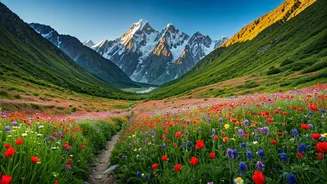
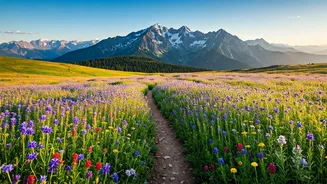
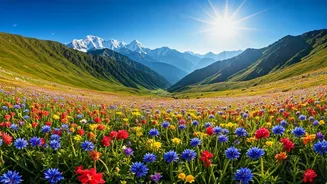
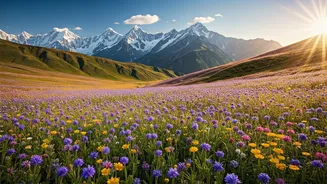
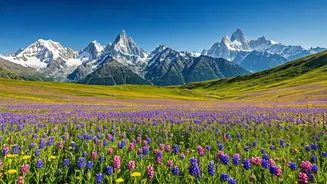
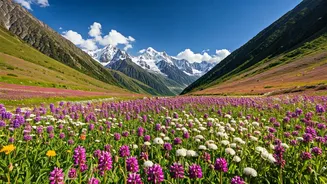
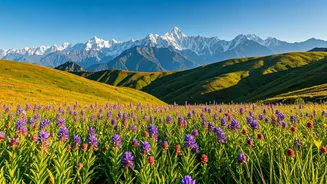
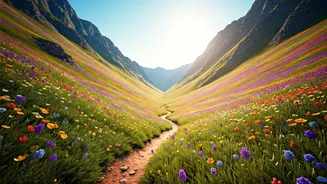
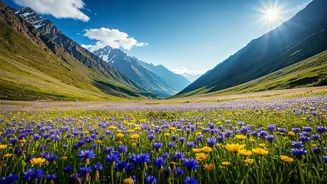
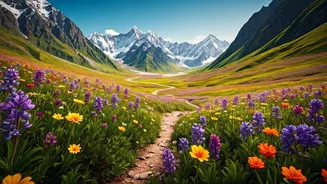
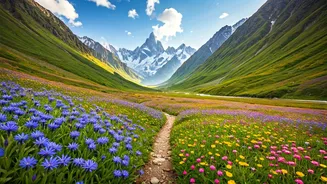
Tucked away in the Garhwal Himalayas, the Valley of Flowers National Park is the stuff of legends. For most of the year, it lies dormant under a blanket of snow. But as the monsoon rains arrive in July, the valley awakens in a riot of colour. Over 500
species of alpine flowers, many with medicinal properties, bloom across the meadows, creating a breathtaking spectacle. This natural wonder, part of the Nanda Devi Biosphere Reserve, is not just a trek; it’s an immersion into a floral paradise that has inspired botanists, mountaineers, and spiritual seekers for centuries.
The Perfect Window to Visit
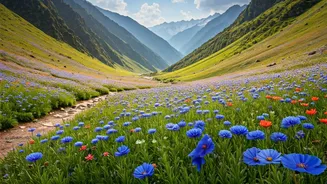
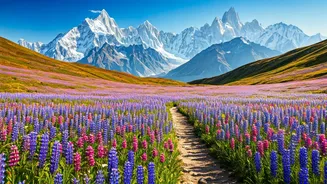
Timing is everything. The valley is only accessible from June to October, but the peak flowering season is from mid-July to mid-August. This is when you'll see the meadows at their most dense and colourful, with species like the elusive Blue Poppy, Brahma Kamal, Cobra Lily, and countless varieties of orchids and daisies creating a kaleidoscopic landscape. Visiting too early in June means fewer blooms, while waiting until September means the colours have started to fade and the weather is turning colder. The monsoon brings rain, but it also brings the flowers to life, so be prepared for misty, drizzly, and utterly magical conditions.
Your Day-by-Day Trek Itinerary
The trek to the Valley of Flowers is considered moderate in difficulty. The journey typically begins from the town of Joshimath. **Day 1: Drive to Pulna, Trek to Ghangaria.** From Joshimath, you’ll drive to Pulna (about 1 hour). This is the starting point of your trek. The trail to Ghangaria, the base camp for the valley, is a well-paved 10-kilometre path that winds along the Pushpawati River. It’s a steady but manageable ascent, taking about 5-6 hours. Ghangaria is a small settlement with basic guesthouses and dhabas. **Day 2: Ghangaria to Valley of Flowers and back.** This is the day you’ve been waiting for. After an early breakfast, you’ll start the 3-kilometre trek to the valley entrance. After getting your permit checked, you enter a fairytale landscape. The main valley stretches for several kilometres. You can spend the day exploring different paths, taking pictures, and soaking in the beauty before trekking back to Ghangaria by late afternoon. Camping is not allowed inside the valley. **Day 3: Return trek to Pulna and drive back.** You will retrace your steps back to Pulna and then drive back to Joshimath, filled with memories of the floral spectacle.
Preparation and Essential Tips
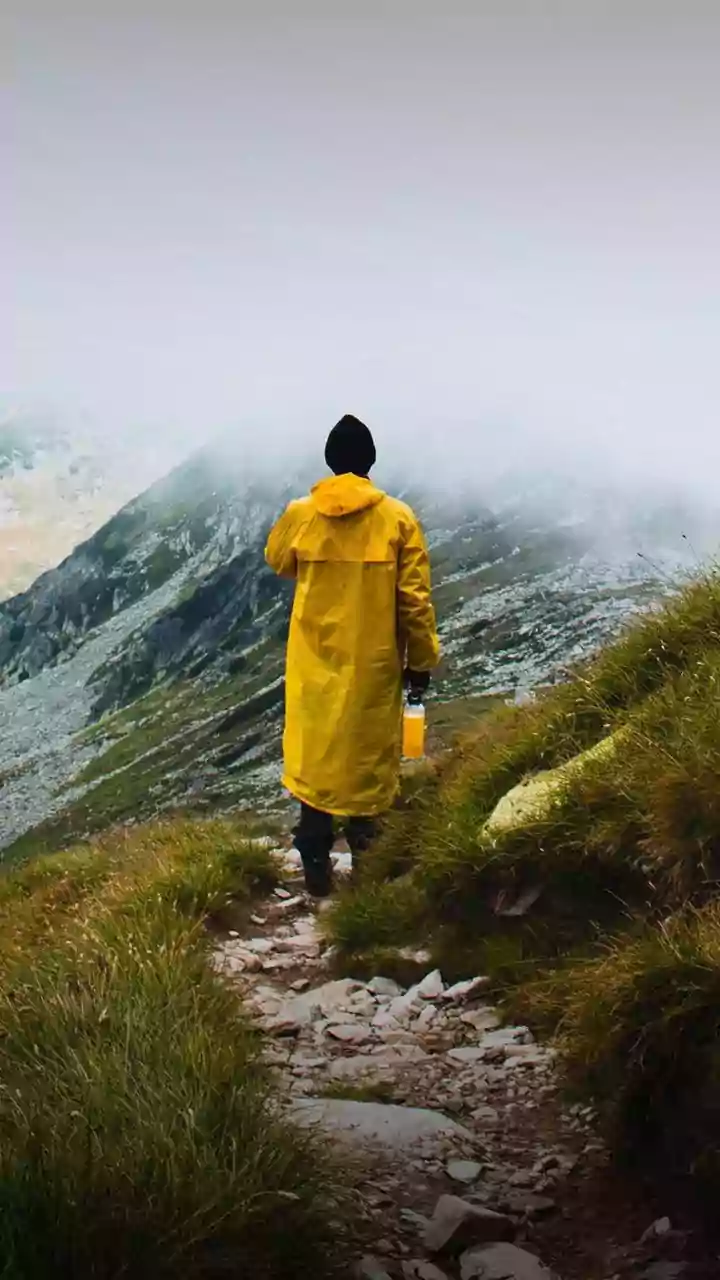
While not technically difficult, the high altitude and unpredictable weather require proper preparation. * **Permits:** A permit is required to enter the Valley of Flowers, which can be obtained at the forest checkpoint just before Ghangaria or online in advance via the Uttarakhand Forest Department portal. * **Fitness:** You should be reasonably fit and able to walk for 5-6 hours a day with a small backpack. Start walking or jogging for a few weeks before your trip to build stamina. * **Acclimatisation:** Altitude sickness is a real risk. Ghangaria is at about 10,000 feet. Spend a night in Joshimath (6,000 feet) before starting the trek to help your body acclimatise. Walk slowly, stay hydrated, and avoid alcohol. * **What to Pack:** Waterproof gear is non-negotiable. Pack a good raincoat, a waterproof cover for your backpack, and quick-drying clothes. Sturdy trekking shoes with good grip are essential. Also carry a basic first-aid kit, sunscreen, a hat, and some energy bars.
Bonus: The Spiritual Ascent to Hemkund Sahib
From the same base camp of Ghangaria, a much steeper and more challenging trail leads to Hemkund Sahib, a revered Sikh gurudwara and pilgrimage site located beside a glacial lake at over 15,000 feet. Many trekkers add an extra day to their itinerary to make this spiritual journey. The 6-kilometre ascent is tough but incredibly rewarding, offering stunning panoramic views of the surrounding Himalayan peaks. The pristine lake and the presence of the rare Brahma Kamal flower make it a worthwhile extension to your trip.