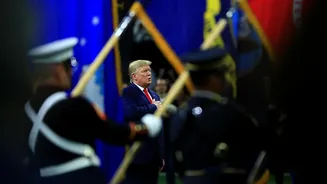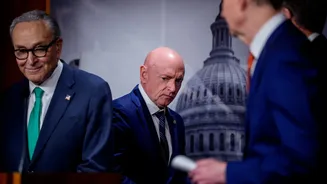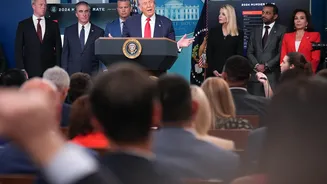



The 2026 US midterm elections have delivered a major political shift, with Democrats gaining control of both the House and Senate. This sets up a powerful new dynamic against President Trump for the final two years of his term.
A New Power Dynamic in Washington
The Democratic party secured
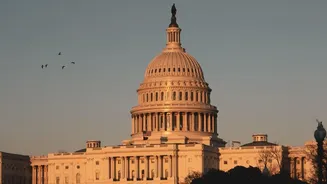
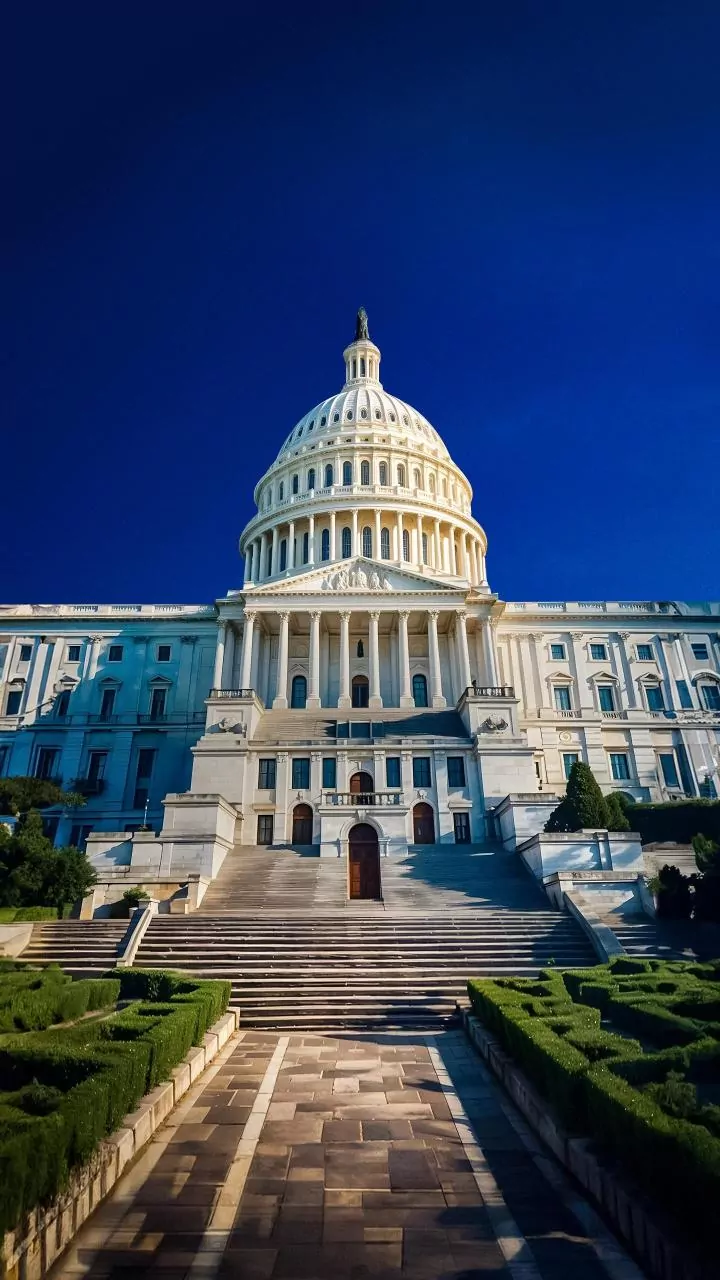
majorities in both the House of Representatives and the Senate in the November 2026 midterm elections, a result widely seen as a rebuke of the Trump administration. This marks the first time President Trump will face a Congress where both chambers are controlled by the opposition. For the next two years, Washington will operate under a 'divided government'. This fundamentally alters the political landscape, constraining the president’s domestic agenda and creating significant new hurdles for his 'America First' foreign policy. While the president retains substantial executive authority, especially in foreign affairs, the new Democratic majority has its own arsenal of tools to influence America's direction on the world stage.
The Power of the Purse Strings
One of Congress's most significant powers is its control over the federal budget. With Democrats now leading the appropriations process, they can directly challenge the White House's priorities by cutting, conditioning, or blocking funds for specific initiatives. This could have major implications for key foreign policy areas. For example, a Democratic-led Congress is far less likely to approve funding for any renewed military action against Iran. It could also increase scrutiny over aid packages to allies and impose stricter conditions on defence spending, potentially seeking to restore funding for international organisations and climate initiatives that the Trump administration has sought to sideline. These budget battles are expected to be contentious, with the high potential for gridlock and government shutdowns.
Oversight and Investigations
New Democratic committee chairs in both the House and Senate now have the power to launch investigations, hold public hearings, and subpoena officials and documents. This oversight function is a powerful tool to scrutinise the administration's actions and shape public opinion. Experts anticipate a wave of hearings focused on the administration's foreign policy decisions, including the war in Iran, relationships with allies, and the business dealings of Trump's family and associates. These investigations are not just for show; they can expose perceived wrongdoing, build pressure for policy changes, and create significant political headaches for the White House, consuming its time and attention.
Treaties, Trade, and Appointments
The Senate holds the unique constitutional powers to ratify treaties and confirm presidential appointments, including cabinet secretaries, ambassadors, and judges. With a new Democratic majority, President Trump’s ability to staff his administration and secure formal international agreements will be severely tested. Any new treaty would face an uphill battle, and nominees who are seen as overly ideological or unqualified could be blocked. On trade, while the President has significant authority to impose tariffs through executive action, Congress can still pass legislation to constrain him. There is bipartisan interest in a tougher stance on China, but Democrats may use their new leverage to push for different strategies and scrutinise trade deals more closely, potentially creating openings for countries like India to renegotiate stalled agreements.
The shift in Washington introduces new uncertainty for global affairs. Allies in Europe, who have had a strained relationship with the Trump administration, may find a more sympathetic ear in Congress. However, gridlock in Washington could also lead to policy paralysis, making the US a less predictable partner. For India, the implications are mixed. A weakened Trump administration might provide more favourable ground for trade negotiations. But a Democratic--led Congress is also expected to increase scrutiny on human rights issues, which could become a diplomatic challenge. Ultimately, the struggle for control over US foreign policy between the White House and Congress will be a defining feature of the next two years, and the world will be watching the outcome closely.