



The Gardener's Go-To Solution
For any urban gardener in India, neem oil is a staple. Derived from the seeds of the neem tree, this natural, all-in-one pesticide, fungicide, and miticide is celebrated for its effectiveness and organic credentials. It’s the first thing we reach for when
we spot aphids, mealybugs, or the dreaded powdery mildew on our beloved balcony plants. The active compound, azadirachtin, disrupts the life cycle of pests, while the oil itself can suffocate them. Typically, you mix it with water and a little soap, spray it on, and wait for the magic to happen. But the success of this simple process hinges on one crucial, often overlooked, factor: evaporation.
Why Evaporation Is Key
When you spray a neem oil solution, the goal is to leave a thin, protective film of its active compounds on the leaves. For this to happen, the water in your spray mixture needs to evaporate. This process allows the oil to coat the leaf surface evenly, where it can get to work against pests and fungal spores. Proper drying is essential. If the solution remains wet for too long, or if it dries too quickly under intense sun, problems arise. The ideal application leaves behind just the active ingredients, without causing harm to the plant itself.
How Humidity Disrupts the Balance
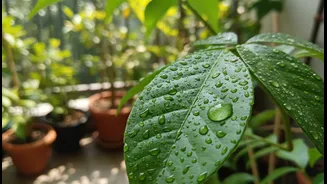
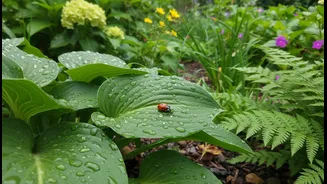
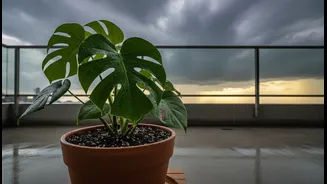
Here's where the weather, particularly during the Indian monsoon or in coastal cities, throws a wrench in the works. Humidity is, simply put, the amount of moisture in the air. When humidity is high, the air is already saturated with water vapour, which significantly slows down the rate of evaporation. Think of it like trying to dry a towel in a steamy bathroom—it takes much longer. The same principle applies to your plants' leaves. The water in your neem spray has nowhere to go, leaving the oil-and-water mixture sitting on the foliage for an extended period. This slow-drying process is the root cause of many neem-related plant problems in humid climates.
The Dangers of Lingering Oil
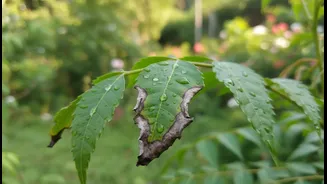
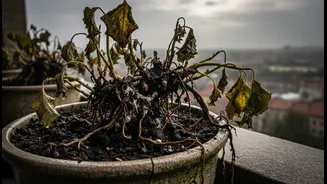
When neem oil doesn't dry properly, it can lead to a condition called phytotoxicity, which is essentially a chemical burn on the plant's leaves. Instead of a fine protective film, the lingering oil can clog the stomata—the tiny pores on leaves that plants use for gas exchange, or 'breathing'. This suffocates the leaf. Furthermore, the thick, undried oil can magnify sunlight, even on a cloudy day, leading to brown, yellow, or black scorch marks and crispy edges. Prolonged moisture also creates a perfect breeding ground for the very fungal diseases you were trying to prevent. Instead of protecting your plant, the neem oil application ends up stressing it, making it more vulnerable to pests and diseases.
Smart Spraying in High Humidity
So, how can you use neem oil effectively when the air is thick with moisture? The key is to adjust your technique. First, timing is everything. Always apply neem oil in the early morning or late evening when temperatures are cooler and the sun is not intense. This is a golden rule everywhere, but it's non-negotiable in India. In humid conditions, a morning spray is often better as it gives the leaves a longer window to dry during the day, even if slowly. Second, improve air circulation. For balcony plants, which are often crowded together, this is crucial. Space your pots to allow air to move freely between them, which will help speed up evaporation. If possible, a gentle fan directed towards your plants for an hour after spraying can make a huge difference. Third, watch the weather. If rain is forecast within 24 hours, hold off on spraying, as the rain will just wash the oil away. Spraying on already wet leaves is also ineffective as the oil won't adhere properly. Finally, always do a patch test. If you're using neem oil for the first time on a plant, or in new conditions, spray just one or two leaves and wait 24-48 hours to see if there is a negative reaction before spraying the entire plant.