
The Experience Is the Headliner
The post-pandemic resurgence in live events isn't just about making up for lost time; it's about a fundamental shift in what audiences expect. Fans, particularly Gen Z and millennials, are increasingly driven by a desire for unique, shareable moments
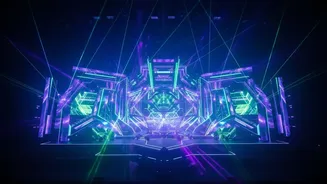
over material goods. This has transformed live events from passive listening sessions into multi-sensory experiences. Festivals are no longer just about the musical lineup; they are destinations. Events like Ziro Festival in Arunachal Pradesh, Magnetic Fields in Rajasthan, and Echoes of Earth in Bengaluru are perfect examples. They merge music with stunning locations, sustainable art installations, and local culture, offering an escape that a stadium show simply cannot match. Fans travel between cities, creating a booming music tourism economy, signalling they're willing to invest in hospitality, food, and the overall vibe, not just the ticket.
A Stage for Every Sound
The festival boom has also shattered genre limitations. For years, the scene was dominated by Bollywood and mainstream pop. Now, India’s live music calendar is incredibly diverse. Global brands like Lollapalooza and Rolling Loud have successfully set up shop in India, bringing massive international rock and hip-hop acts to local audiences. At the same time, specialized festivals are thriving by catering to dedicated fanbases. The Mahindra Blues Festival in Mumbai continues to draw crowds for its world-class musicianship, while Bangalore Open Air remains a haven for rock and metal fans. Electronic music has found a massive following through festivals like DGTL and Sunburn. This diversification means fans can find communities built around their specific tastes, from the trance parties at Hilltop in Goa to the folk and fusion sounds at NH7 Weekender.
From Screen to Stage
The journey to a concert now often begins on a smartphone. Digital platforms have democratized music discovery, allowing independent artists to bypass traditional industry gatekeepers and build dedicated fanbases online. Artists like Prateek Kuhad, Anuv Jain, and bands such as The Yellow Diary have cultivated loyal followings through streaming services and social media. For their fans, attending a live show is the culmination of that digital connection—a chance to be in a physical space with a community that shares their taste. This has fueled the rise of smaller, more intimate gigs in cafes, bars, and art galleries where the connection between artist and audience is palpable. These smaller venues and city-based tours are crucial for the indie ecosystem, even as they compete with the financial safety of tribute acts that many venues rely on to stay afloat.
The Rise of the Indie Economy
The growth of the live scene has created a vibrant economic engine. The organized live events sector has become one of the fastest-growing segments of India's media and entertainment industry, projected to generate millions of jobs. This boom is not just happening in metros; Tier 2 cities like Chandigarh, Lucknow, and Shillong are becoming new hubs for live music, hosting tours and regional festivals. The success of these events has also attracted significant investment, with companies like Zomato and Swiggy entering the live entertainment space. While challenges like a lack of purpose-built large-scale venues remain, the momentum is undeniable. The government has even established a Live Events Development Cell to help foster this growth, recognizing its potential to boost tourism and India's global cultural influence.