



The Landmark Announcement
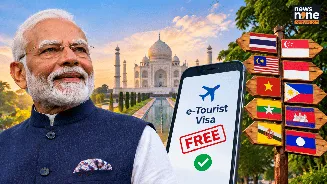
On November 17, 2026, during the 23rd India-ASEAN Summit in Manila, Prime Minister Narendra Modi announced a proposal to grant free e-tourist visas to citizens from all member states of the Association of Southeast Asian Nations (ASEAN). This was one
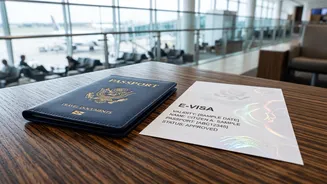
of several initiatives introduced to deepen India's engagement with the regional bloc, falling under the umbrella of its 'Act East' policy. The official statement from India's Ministry of External Affairs confirmed the move was designed to promote people-to-people connections, using tourism as a primary platform. The plan involves waiving the visa fee, not eliminating the need to apply for an e-visa entirely. Travelers will still be required to go through the official online application process.
Who Are the Beneficiaries?
The proposal covers all 11 member states of ASEAN, a significant regional group in Southeast Asia. The countries whose citizens stand to benefit are Brunei, Cambodia, Indonesia, Laos, Malaysia, Myanmar, the Philippines, Singapore, Thailand, Timor-Leste, and Vietnam. While India's e-visa system is already available to these nations, the fee structure varies. Citizens from Indonesia and Myanmar already receive free e-visas for most durations, and those from Malaysia, the Philippines, and Thailand get free 30-day e-visas. This new policy would harmonize the rules, extending the fee waiver to travelers from Brunei, Cambodia, Laos, Singapore, Timor-Leste, and Vietnam, who currently pay fees ranging from $10 to $200 depending on visa duration.
The Key Question: When Does It Start?
While the announcement has generated excitement, Indian authorities have not yet provided a timeline for implementation. The official statements confirm the proposal but do not specify when the fee waiver will come into effect or what the precise mechanics will be. Key details remain unanswered, including which visa validities (30-day, one-year, or five-year) will be covered under the free scheme for all countries and if any other specific conditions will apply. Ministries are expected to work out these operational details in the coming weeks, after which a formal launch date will be announced. Until then, the existing visa rules and fee structures remain in place.
Why India Is Making This Move
This policy is a strategic component of India's 'Act East' policy, which focuses on strengthening economic, strategic, and cultural relations with Southeast Asian nations. By removing the cost barrier, India aims to significantly boost tourist arrivals from a region with a large and growing middle class. In 2025 alone, India received over 800,000 visitors from ASEAN countries. The move is expected to foster greater goodwill and facilitate more robust cultural and commercial exchanges. The announcement was part of a broader package of cooperative initiatives proposed at the summit, including collaboration on maritime security, digital forensics, and nuclear energy, signaling a comprehensive effort to deepen the India-ASEAN partnership.
Potential Impact on the Tourism Sector
Leaders in India's travel and hospitality industry have welcomed the proposal, anticipating a substantial positive impact. The removal of visa fees is a proven method for encouraging tourism, making a destination more attractive and accessible. For travelers from the six ASEAN countries who currently pay for visas, this represents a direct cost saving. The move simplifies the travel planning process and is likely to spur short-term leisure trips, pilgrimages, and family visits. The timing aligns with India's recent efforts to overhaul its visa system to be more user-friendly, including simplifying application forms. This concerted push to ease travel is expected to provide a competitive edge and help the tourism sector recover and grow, strengthening India's position as a major travel destination in Asia.