


Prioritise Hydration for Energy
Fasting during the humid monsoon season can easily lead to dehydration, causing fatigue and headaches. The first rule of smart Sawan meal planning is to stay exceptionally well-hydrated. While water is essential, think beyond it. Coconut water is excellent
for replenishing electrolytes naturally. Homemade lassi, buttermilk (if your tradition permits), and lemon water (with rock salt, not sugar) are also great choices. You can also sip on herbal teas made with cardamom or tulsi. Start and end your eating window with a glass of water to help your system. It's wise to avoid caffeine and sugary packaged drinks, as they can contribute to dehydration.
Choose Complex Carbs for Sustained Fuel
Many traditional vrat foods can be heavy on simple carbohydrates. While ingredients like sabudana (tapioca pearls) provide quick energy, it's smarter to balance them with complex carbohydrates for a slow and steady release of fuel. Vrat-friendly flours like kuttu (buckwheat), singhara (water chestnut), and rajgira (amaranth) are fantastic choices. These flours are not only permissible but are also nutritionally dense. Instead of deep-fried pooris every time, try making rotis, parathas, or cheelas from these flours. Vegetables like sweet potatoes, pumpkin, and raw bananas are also excellent sources of complex carbs that keep you feeling full and energised for longer.
Power Up with Protein
Protein is often neglected during fasting, but it's vital for maintaining muscle health and satiety. Planning for protein-rich foods can prevent the fatigue that sometimes accompanies fasting. Paneer (cottage cheese) is a top-tier option; it can be grilled, added to fruit chaat, or made into a simple curry. Dairy products like milk and curd (yoghurt) are also valuable protein sources. For plant-based protein, roasted peanuts, almonds, and walnuts are your best friends. Adding roasted peanuts to your sabudana khichdi or having a handful of nuts as a snack can make a significant difference in your energy levels. Makhana (fox nuts), another vrat staple, are also surprisingly rich in protein.
Incorporate Fruits and Vegetables
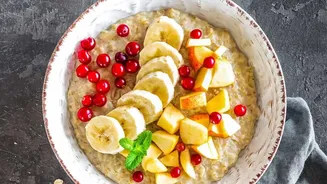
Fruits and vegetables are your primary source of vitamins, minerals, and fibre during Sawan. Fibre is crucial for maintaining good digestion when your diet changes. Include a variety of seasonal fruits like bananas, apples, papayas, and pomegranates. A simple fruit chaat can be a refreshing and nutrient-packed meal. For vegetables, stick to the allowed list which typically includes potatoes, arbi (colocasia), and lauki (bottle gourd). Instead of only making potato-based dishes, try a lauki sabzi or a pumpkin curry for variety and a broader nutrient profile.
Smart Snacking and What to Avoid
Hunger pangs between meals can lead to grabbing unhealthy, packaged vrat snacks. A smarter strategy is to plan for healthy snacks. Roasted makhana, a handful of mixed nuts and dry fruits, or a bowl of yoghurt are excellent choices that provide energy without being heavy. It's equally important to know what to limit. While traditional, deep-fried foods like pakoras and pooris should be consumed in moderation as they can be hard to digest and lead to sluggishness. Many people make the mistake of overeating fried foods or sweets when breaking their fast, which can shock the system. Break your fast gently with a date or a piece of fruit before moving to a larger meal.