







From Mindless Munching to Mindful Metrics
The way we snack in India is undergoing a quiet revolution. What used to be a simple act of satisfying a mid-day craving with the nearest, tastiest option has transformed into a conscious, data-driven decision. A growing number of urban Indian consumers,
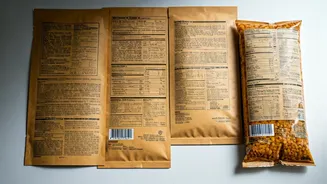
particularly Millennials and Gen Z, are no longer just eating; they are auditing. According to recent surveys, a significant majority of Indians now read ingredient lists and nutritional values before buying a snack. This shift from passive consumption to active investigation signals a deeper change in our relationship with food, driven by a surge in health and wellness awareness, often amplified by social media. The post-pandemic world has made many more mindful of what they put into their bodies, turning the humble snack break into an opportunity for better nutrition.
The Anatomy of a 'Clean' Label
So, what exactly are these discerning snackers looking for? The focus has moved beyond just calories. Today’s label check is a sophisticated hunt for specific markers of quality. High protein content is a massive draw, with studies showing that a vast majority of Indians consider it a key factor in their choice, and many are willing to pay a premium for it. This has fuelled a boom in the market for protein-rich snacks like bars, chips made from lentils or chickpeas, and even fortified traditional foods. Beyond protein, consumers are on the lookout for 'clean labels'. This means simple, recognisable ingredients and a clear rejection of artificial additives, preservatives, and hidden sugars. Snacks sweetened with natural alternatives like dates or jaggery are gaining preference over those with refined sugar. Ingredient transparency has become so crucial that over 60% of consumers identify it as the most important factor when choosing a snack brand, ranking it higher than celebrity endorsements.
The Social Life of a Snack
Here’s where the 'flex' truly comes in. This trend isn't just about personal health; it's about social currency. In an age where wellness is a lifestyle brand, turning down a sugary biscuit while casually mentioning its palm oil content, or choosing a makhana snack for its low glycemic index, is a subtle performance. It communicates knowledge, discipline, and alignment with a modern, health-conscious identity. Social media platforms are the grand stage for this behaviour. Influencers and everyday users alike share their 'healthy hauls', dissect product labels in their stories, and celebrate brands that meet their clean-eating criteria. This digital discourse has democratised nutritional information and created communities around mindful consumption, transforming a solitary choice in a supermarket into a shared cultural value. Choosing a snack with a 'clean' label becomes a way to signal that you are informed, responsible, and part of the wellness conversation.
How Big Brands Are Responding
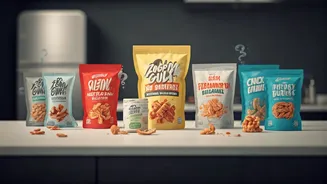
The Indian food industry has been quick to take notice. What was once a niche market is now a major consumer movement, and brands are reformulating products and redesigning packaging to meet this demand. The front of the package might shout 'High Protein!' or 'No Added Sugar!', directly addressing the metrics that shoppers are scanning for. Companies are launching baked, not fried, versions of popular snacks, introducing ranges focused on plant-based ingredients, and highlighting the absence of artificial components. This trend is also fuelling the growth of new-age D2C brands that build their entire identity around transparency and health. From protein bars to roasted makhana, the snack aisle is now a battleground for nutritional superiority, where the ingredient list on the back is just as important as the brand name on the front.