


The Search for Quiet
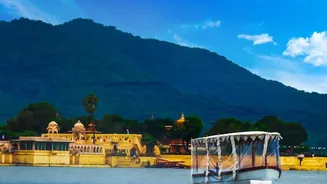
From Shimla and Manali to Goa and Jaipur, India’s premier tourist destinations are grappling with 'overtourism'. This phenomenon occurs when a place is overwhelmed by visitors, leading to strained infrastructure, environmental damage, and a diluted travel
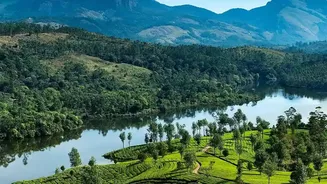
experience. For many Indian travellers, the holiday ideal of relaxation is being replaced by the stress of navigating crowds. In response, a significant shift is underway. Travellers are increasingly looking for holidays that allow them to slow down and disconnect. According to a recent Skyscanner report, a staggering 81% of Indian travellers are open to visiting lesser-known destinations, driven by a desire for quiet, space, and a sense of discovery.
A Craving for Authentic Connection
The trend goes deeper than simply avoiding crowds. Post-pandemic, there's a growing desire for authentic experiences over picture-perfect, social media-driven itineraries. Travellers are actively seeking genuine connections with nature, local culture, and a simpler way of life. This has fuelled the rise of what some are calling 'hushpitality'—travel centred on quiet surroundings and unhurried schedules. Instead of ticking off a bucket list of famous attractions, people are finding joy in forest walks, browsing local markets, and savouring unplanned moments of peace. Many are deliberately leaving parts of their travel plans open to allow for spontaneous exploration.
The Allure of the Countryside
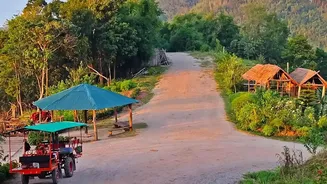
Rural tourism, which includes farm stays and agri-tourism, has become a popular answer to this craving. It offers a chance to swap city noise for the rhythms of village life. These are not passive holidays; they are immersive experiences. Visitors might find themselves milking buffaloes at sunrise, helping with the paddy harvest, or learning to cook regional dishes from their hosts. This model turns farms into destinations and farmers into hosts, providing them with a vital supplementary income. States like Maharashtra, Uttar Pradesh, and Sikkim are actively promoting rural homestays and farm stays, recognizing their potential to transform local economies while offering travellers a unique window into India's cultural heartland.
Into the Wild
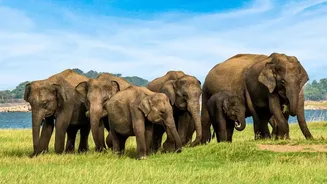
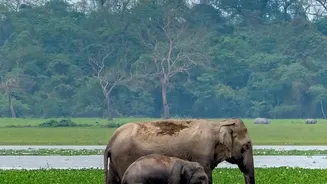
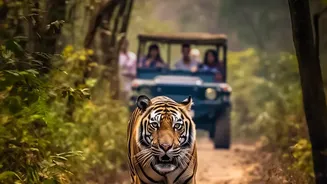
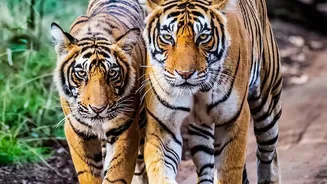
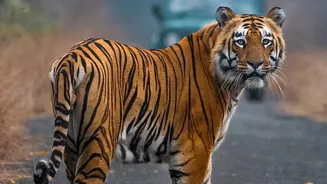
Alongside the growth in rural getaways, wildlife tourism is also evolving. While iconic tiger reserves like Ranthambore and Corbett remain popular, travellers are now exploring beyond them to lesser-known parks and sanctuaries in places like Satpura and the Northeast. The focus is shifting from a 'checklist' approach of spotting big game to a deeper, more immersive engagement with nature. This includes a growing interest in birding, photography, and conservation-led travel. Branded operators are now developing wildlife lodges in these emerging destinations, reflecting a market that values longer stays, richer experiences, and sustainable practices that benefit both the environment and local communities.
A Win-Win for Travellers and Communities
This movement towards rural and wildlife tourism is being actively supported by government initiatives. Programmes like the Swadesh Darshan Scheme and the 'Travel for LiFE' campaign aim to develop sustainable and responsible tourism destinations. By developing infrastructure in rural circuits and promoting homestays in tribal areas, these initiatives help distribute the economic benefits of tourism more evenly. For travellers, it means more choices and the opportunity for richer, more meaningful journeys. For host communities, it creates new livelihoods, encourages the preservation of local culture and heritage, and provides a powerful incentive for conservation.