






The Siren Call of the Statement Chair
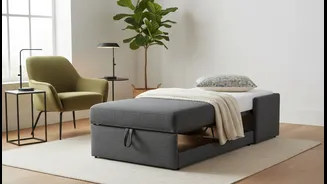
There's no denying the appeal of an oversized rounded chair. It's a hug in furniture form, a personal island of comfort that can define a living room corner or a bedroom nook. These pieces are more than just seating; they are anchors of style and comfort,
promising endless hours of relaxation. Their generous proportions and inviting curves make them a popular choice for homes across India. But this very generosity in size is what can turn the dream of owning one into a logistical nightmare if you're not prepared.
Measure Your Entire Delivery Path
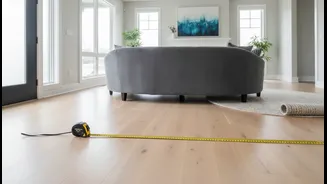
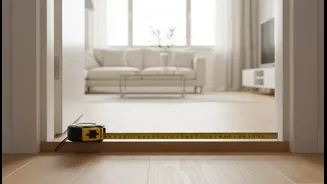
The most common mistake is measuring only the final room or the front door. Your new chair has a long journey from the delivery truck to its final spot. You need to map and measure this entire path. This includes any exterior gates, building lobby doors, corridors, stairwells, and, critically, the lift. Use a good quality metal tape measure and note down the height and width of every single opening. Don't forget to account for obstacles like low-hanging light fixtures, fire extinguishers on walls, or tight corners that could obstruct the path. Creating a simple sketch of the path with all measurements can be incredibly helpful.
The Lift: A Make-or-Break Obstacle
In many Indian apartment buildings, the lift is the smallest choke-point in your delivery path. A common residential lift is often around 3 feet wide by 4 feet deep, but this can vary significantly. It's crucial to measure not just the interior dimensions of the lift cabin (width, depth, and height) but also the height and width of the lift door opening. Sometimes, the door opening is smaller than the cabin itself. Remember to measure the diagonal space inside the lift as well—from the bottom front corner to the top back corner—as this might be the only way to fit a large item.
Decoding Furniture Dimensions
Once you have your home's measurements, you need to understand the chair's. Online listings will provide width, depth, and height. However, for a bulky, rounded item, the most important figure is often the 'diagonal depth'. This measurement helps you determine if the chair can be tilted and maneuvered through a tight spot. You can find this by placing a straight edge from the top back of the frame to the front bottom. Essentially, the width of your narrowest entryway must be greater than at least one of the chair's key dimensions—its depth, height, or diagonal depth.
Mastering Tricky Angles and Turns
Getting furniture through a tight spot is a game of angles. Professionals often pivot, tilt, and twist items to get them through doorways. A common technique for a chair or sofa is the "hook" method, where you stand the piece on its end, guide one part through the door (like an arm), and then rotate or 'hook' the rest of it around the door frame. This is where knowing the diagonal depth is crucial. Also, consider removing the chair's legs if they are detachable; this can provide several precious inches of clearance.
When It Simply Won't Fit
If your measurements show a definite no-go, don't despair. You have options. First, check if the chair comes in a modular form or requires assembly on-site. Many large pieces are designed this way specifically for easier delivery. If not, your next step is to explore more drastic but effective solutions. Removing the door from its hinges can add an extra inch or two of width. As a last resort for truly beloved pieces, professional movers can be hired for 'hoisting', where the furniture is lifted to an upper-floor balcony or large window. However, this is a specialised service that must be done by experts to avoid damage or injury.