
As winter arrives, a familiar debate enters Indian kitchens: is it safe to eat curd? Many avoid this dietary staple, fearing it causes colds and coughs. But is this age-old wisdom backed by facts, or are we missing out on a healthy food?
The Common Winter Warning
In many Indian
households, the belief that curd, or dahi, should be avoided during winter is passed down through generations. The primary concern is that curd has a 'cooling' effect on the body, which can supposedly lead to health issues like colds, coughs, and increased mucus production, especially when temperatures drop. This advice is often given with the best intentions, aiming to protect family members from seasonal illnesses. Parents frequently stop giving curd to children, and even adults tend to skip their daily bowl of raita or dahi, waiting for warmer weather to return. This deep-rooted belief leaves many confused, especially when nutritionists continue to praise the benefits of probiotic foods year-round.
What Modern Science Says
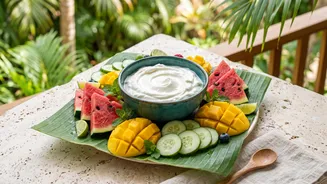
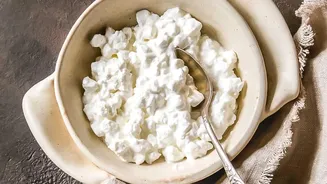
From a nutritional science perspective, avoiding curd in winter is not necessary for most healthy individuals. In fact, it can be highly beneficial. Colds and coughs are caused by viruses, and there is no clinical evidence suggesting that curd itself causes these infections. On the contrary, curd is a powerhouse of probiotics, which are beneficial bacteria that support a healthy gut. A strong gut microbiome is crucial for a robust immune system. Studies have shown that consuming fermented dairy products like curd may even help reduce the risk and duration of upper respiratory tract infections. Furthermore, curd is packed with essential nutrients like calcium, protein, phosphorus, and vitamins B12 and D, which are vital for bone health and overall immunity, making it a valuable addition to a winter diet.
The Ayurvedic Perspective
Ayurveda offers a more nuanced view. According to some Ayurvedic texts, curd can increase Kapha dosha in the body, which is associated with mucus and heaviness. This is why it's often advised against for people who are already prone to respiratory conditions like asthma, sinus issues, or frequent colds, especially at night or during the winter season. However, Ayurveda doesn't enforce a complete ban. Interestingly, some Ayurvedic principles describe curd as having a 'hot' potency (Ushna Virya), which can actually be beneficial in winter. The key, according to Ayurveda, lies in how and when you consume it. It is generally recommended to eat curd during the daytime, preferably around lunch when digestive fire (Agni) is at its peak.
How to Enjoy Curd Safely in Winter
The consensus from both modern nutrition and traditional wisdom is that you don't have to give up curd entirely. The secret is to consume it correctly. The main culprit is often the temperature of the curd, not the curd itself. Eating dahi straight from the refrigerator can be problematic for some. Instead, always allow it to come to room temperature before consumption. The best time to eat curd is during the day, particularly with your lunch. Avoid having it at night, as digestion slows down, and its properties might contribute to mucus formation for sensitive individuals. To further balance its effects, you can add warming spices like a pinch of roasted cumin powder, black pepper, or a bit of ginger. These additions not only enhance the flavour but also help counteract any potential 'cooling' or mucus-forming effects.
Listen to Your Body
Ultimately, individual responses to food vary. While curd is generally safe and healthy for winter consumption, it's important to pay attention to how your own body reacts. If you consistently feel congested or experience a worsening of cold symptoms after eating curd, it might be wise to limit your intake or avoid it when you're feeling unwell. For individuals with a history of asthma, allergies, or chronic sinus problems, exercising caution is advisable. They may find that consuming curd, especially when it's cold or eaten at night, aggravates their symptoms. The most sensible approach is to enjoy curd in moderation, follow the tips for safe consumption, and observe how you feel afterwards. There is no onestize all rule than personal experience should always be a guide.