





The Unseen Engine of Your Metabolism
The thyroid gland, located at the base of your neck, is your body's metabolic powerhouse. To function, it needs iodine to produce crucial hormones, primarily thyroxine (T4) and triiodothyronine (T3). These hormones regulate everything from your heart
rate and body temperature to how efficiently you convert food into energy. Without sufficient iodine, the thyroid can't do its job, leading to a cascade of health issues. This makes iodine a non-negotiable part of a healthy diet, essential for growth, brain development, and daily energy.
Signs of an Iodine Shortfall
Iodine deficiency is the leading preventable cause of mental impairment globally. When your intake is too low, the thyroid gland may enlarge as it works overtime to capture what little iodine it can, forming a goiter—a visible swelling in the neck. This can lead to hypothyroidism, or an underactive thyroid. Symptoms often develop gradually and can be subtle, including unexplained weight gain, constant fatigue, feeling unusually cold, dry skin, hair loss, and brain fog. In India, while universal salt iodization has significantly reduced severe deficiency, millions remain at risk, particularly in rural areas where consumption of adequately iodized salt can be inconsistent.
How Much Iodine Do You Need?
For most adults, the recommended daily intake of iodine is 150 micrograms (mcg). However, needs increase significantly during pregnancy (220-250 mcg) and breastfeeding (250-290 mcg) to support the baby's brain and physical development. While deficiency is a major concern, it's also important not to overdo it. Consuming excessive amounts of iodine, often from high-dose supplements, can also disrupt thyroid function, leading to either hypothyroidism or hyperthyroidism (an overactive thyroid). The tolerable upper intake level for adults is set at 1,100 mcg per day.
Finding Iodine on Your Plate
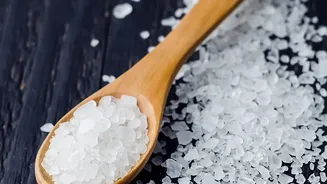
Getting enough iodine is achievable through a balanced diet. Iodized salt is one of the most common and effective sources. Just over half a teaspoon can meet an adult's daily need. Seafood is another excellent option; cod, shrimp, and tuna are particularly rich in iodine. Seaweed varieties like kelp and nori are packed with the mineral. Dairy products, including milk, yogurt, and cheese, are also reliable sources, as are eggs. For those on plant-based diets who avoid dairy and seafood, it's crucial to use iodized salt or check for fortified foods like certain plant milks.
Smart Nutrition for a Healthy Thyroid
Awareness is the first step. Simply opting for iodized salt over other types can make a huge difference in your daily intake. When cooking, try to incorporate iodine-rich foods a few times a week. A meal with fish, a breakfast with eggs and yogurt, or even sushi made with nori seaweed can contribute significantly. While certain raw cruciferous vegetables like cabbage and broccoli contain compounds that can interfere with iodine absorption, this is generally only a concern when consumed in very large quantities by people who already have a deficiency. For most people, a varied diet provides a healthy balance.