
A New Window on Stellar Birth
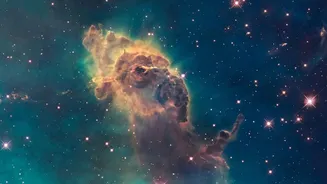
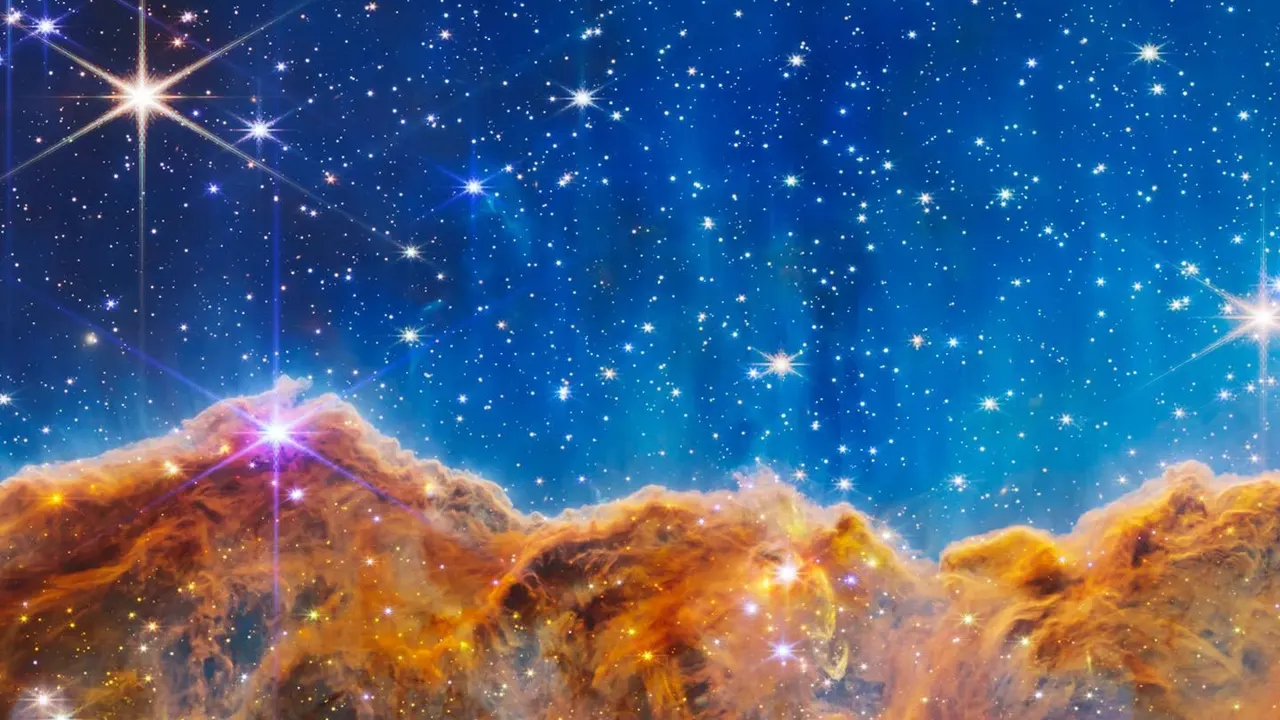
Looking at images like the 'Cosmic Cliffs' in the Carina Nebula, you might think you’re seeing a mountain range at sunset. In reality, you're looking at the edge of a giant, gaseous cavity in space, roughly 7,600 light-years away. These images, captured
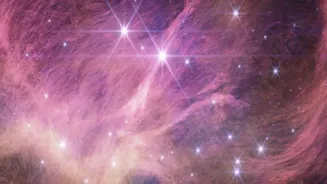
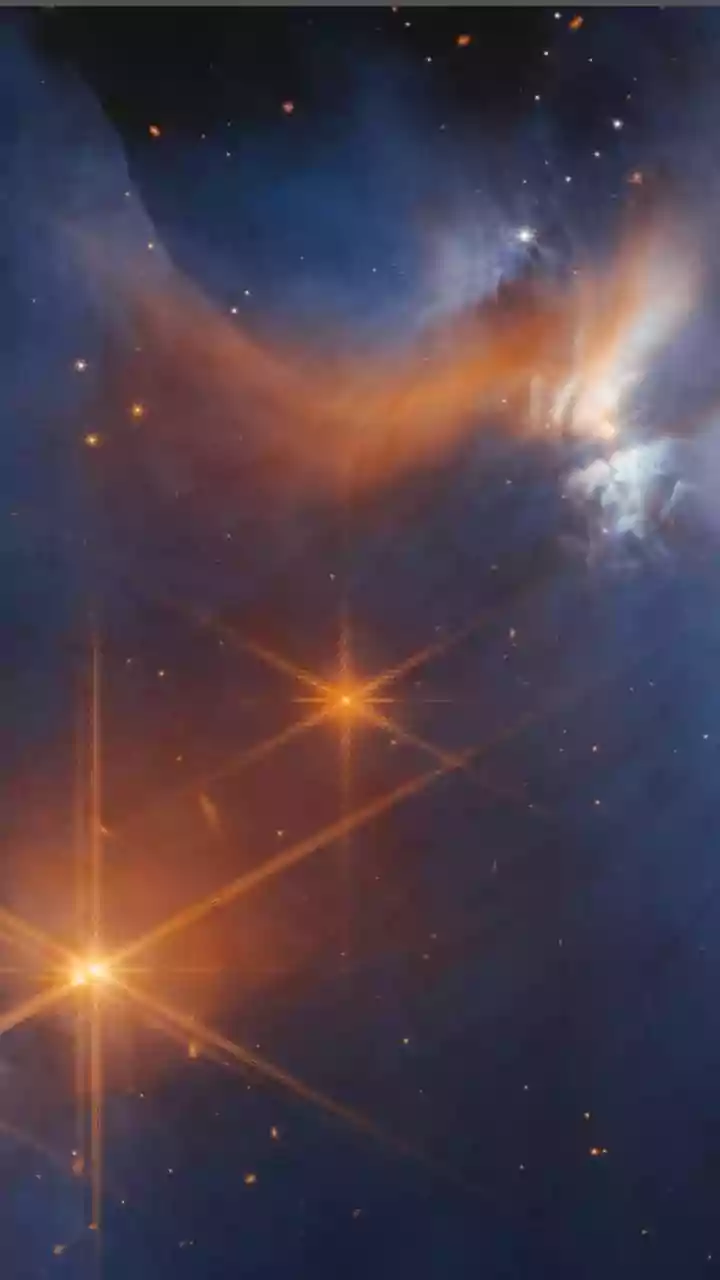
by the James Webb Space Telescope, are revolutionary. Where previous telescopes saw opaque clouds, Webb reveals hundreds of previously hidden stars and protostellar jets shooting out from stellar infants. The level of detail is so immense that scientists can see bubbles and cavities being carved out by the intense radiation from newborn stars, and even background galaxies peeking through the cosmic fog. This isn't just a prettier picture; it's a fundamental leap in our ability to witness the early, chaotic moments of star formation.
What Exactly Are Star Nurseries?
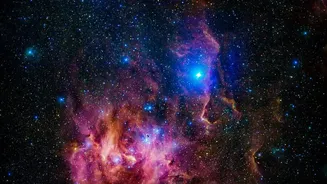
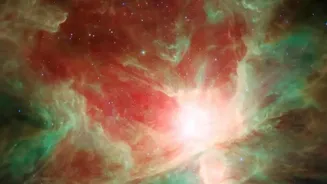
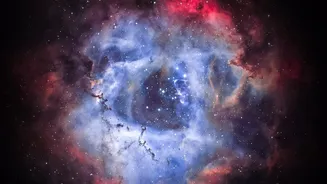
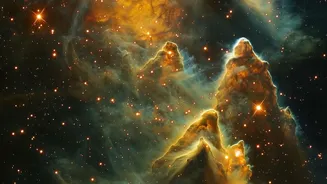
Star nurseries, or nebulae, are vast clouds of gas and dust floating in interstellar space. These clouds, comprised mostly of hydrogen, are the raw material for new stars. Gravity is the engine of creation here. Over millions of years, denser pockets within these clouds begin to pull more matter inward. As these clumps grow, the pressure and temperature at their core skyrocket. Eventually, it becomes hot enough to trigger nuclear fusion, and a star ignites. Many famous celestial objects are star-forming regions. The Orion Nebula and the Eagle Nebula, which contains the iconic 'Pillars of Creation', are two of the most well-known nurseries where this process is actively happening. These regions can give birth to hundreds or even thousands of stars over time.
The Webb Telescope's Infrared Advantage
The secret to Webb's breathtaking images is its ability to see in infrared light. Visible light, which our eyes and telescopes like Hubble primarily see, gets blocked and scattered by the thick dust that shrouds star nurseries. It's like trying to see through a dense cloud of smoke. Infrared light, however, has a longer wavelength that can pass through these dusty veils much more easily. This allows Webb to peer inside the cosmic cocoons where stars are forming. By capturing this infrared light with its massive 6.5-metre gold-coated mirror, JWST reveals the faint, warm glow of young stars and the intricate gas structures that were previously invisible, giving scientists an unprecedented view of the star-birthing process.
From Gas Clouds to Planetary Systems
By studying these star nurseries in such detail, astronomers can begin to answer some of the biggest questions about our universe. These images provide a snapshot of a process that is difficult to capture, as the earliest stages of a star's life last for only about 50,000 to 100,000 years — a blink of an eye in cosmic terms. Webb's views of regions like the Pillars of Creation help scientists better understand how the pillars themselves are shaped and eroded by massive young stars, and how new stars burst forth from them. This isn’t just about stars; the material left over in the disk around a young star eventually clumps together to form planets. By observing these nurseries, we are essentially looking back at the conditions that likely led to the formation of our own Sun and Earth billions of years ago.