






The All-or-Nothing Fitness Trap
For many professionals with demanding desk jobs, the approach to fitness is often a cycle of extremes. You spend eight hours sitting, then try to compensate with a high-intensity workout that leaves you breathless and sore. The popular "no pain, no gain"
mindset suggests that if you're not exhausted, it doesn't count. This often leads to a boom-and-bust cycle: a few punishing sessions followed by days or weeks of recovery, derailed by fatigue and a feeling of failure. This approach is not only unsustainable but also overlooks a more effective, gentler method for building real, lasting fitness. It's time to move beyond the idea that every workout must be a battle and embrace a strategy that works with your body, not against it.
What Exactly Is Zone 2 Cardio?
Imagine exercising at a pace where you could hold a conversation without gasping for air. That's the essence of Zone 2 cardio. It’s a low-to-moderate intensity effort, typically sitting between 60% and 70% of your maximum heart rate. Forget the lung-burning sprints and think more of a brisk walk, a steady bike ride, or a light jog. The key indicator is the "talk test": you should be able to speak in full sentences comfortably. If you can sing, you're likely in Zone 1 (too easy), and if you can only get a few words out, you've pushed into Zone 3 or higher. This gentle intensity is the secret sauce, making it an accessible and repeatable form of exercise, especially for those new to fitness or getting back into a routine.
The Science of Sustainable Energy
The magic of Zone 2 lies in what it does for your cells. Our bodies have tiny powerhouses called mitochondria, which are responsible for producing energy. A sedentary lifestyle can make these mitochondria less efficient. Zone 2 training is a powerful tool for improving their function and even increasing their number. At this moderate intensity, your body becomes exceptionally good at using fat for fuel instead of readily available carbohydrates. This process, known as improving metabolic flexibility, is a game-changer for desk workers, helping to regulate blood sugar and fight the metabolic sluggishness that comes from sitting all day. By training these cellular engines, you build a bigger, more efficient aerobic base, leading to more stamina and less fatigue in your daily life.
How to Find Your Gentle Zone
Calculating your Zone 2 heart rate is straightforward. The simplest method is to first estimate your maximum heart rate (MHR) by subtracting your age from 220. For example, if you are 35 years old, your estimated MHR would be 185 beats per minute (bpm). Your Zone 2 range would then be 60-70% of that number, which is approximately 111 to 130 bpm. While heart rate monitors provide accuracy, you don't need fancy equipment to start. The talk test remains one of the most reliable real-world checks. Focus on maintaining an effort that feels sustainable and controlled. Remember, the goal is consistency, not perfection. It's better to be slightly under your target than to push too hard and burn out.
Simple Zone 2 Workouts to Start Today
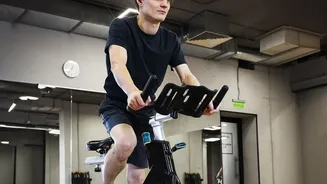
Integrating Zone 2 cardio into your routine doesn't require a major overhaul of your schedule. The beauty of it is its accessibility. A brisk 30-45 minute walk during your lunch break is a perfect example. Other options include a steady session on a stationary bike or elliptical machine, a light jog where you can maintain conversation, or even swimming slow, consistent laps. Because it places less strain on your muscles and joints, recovery is quicker, and the risk of injury is lower. This means you can do it more frequently without it interfering with other activities, like strength training. Start with two to three sessions a week, aiming for a total of at least 150 minutes of moderate activity.