




What Exactly Is Slow Travel?
At its heart, slow travel is a mindset, not a specific itinerary. It's an approach to tourism that prioritizes connection over speed and quality over quantity. Emerging from the 'Slow Food' movement in Italy, which championed local cuisine against the rise
of fast food, slow travel applies the same philosophy to how we explore the world. It’s a conscious rebellion against the idea that 'faster is better'. Instead of rushing to see as many sights as possible, the goal is to immerse yourself deeply in one place. It means trading a packed schedule for spontaneous discovery, allowing yourself to experience the rhythm of a place, connect with its people, and create lasting memories rather than just snapping photos. The core idea is to do everything at the right speed, savouring the hours instead of just counting them.
The Journey Becomes the Destination
One of the first shifts in a slow travel mindset involves rethinking transportation. In conventional tourism, the journey is often a necessary evil—a flight to be endured before the 'real' vacation begins. Slow travel flips this script, turning the act of getting there into a vital part of the experience. Choosing a train over a plane, for instance, not only reduces your carbon footprint but also allows you to watch the landscape unfold, witness the subtle changes in scenery, and gain a real sense of distance and place. Opting for local buses, renting a bicycle, or simply exploring on foot encourages you to engage with your surroundings on a more human scale. These slower methods open the door to unexpected detours, unplanned conversations, and the hidden gems that you would otherwise speed past. The journey is no longer just a means to an end; it's an adventure in itself.
Choosing a Home, Not Just a Hotel
Where you stay has a profound impact on your travel experience. Slow travel encourages choices that foster connection and authenticity over anonymous convenience. Instead of large, international hotel chains, consider locally-owned guesthouses, homestays, or renting an apartment for an extended period. Staying in one place for a week or more, rather than hopping between cities every two nights, allows you to settle in and feel the pulse of a neighbourhood. You can shop at the local market, find a favourite corner café, and build a sense of familiarity. This approach not only provides a deeper cultural immersion but can also be more budget-friendly, as many hosts offer discounts for longer stays. By choosing accommodation that is integrated into the community, you move from being a temporary visitor to a temporary resident.
A Kinder Impact on People and Planet
Perhaps the most significant aspect of slow travel is its positive impact. Mass tourism often leads to 'tourism leakage', where the money spent by travellers benefits large corporations rather than the local community. By consciously choosing to eat at local restaurants, buy from small artisans, and stay in independent accommodations, slow travellers ensure their money directly supports the people and economy of the place they are visiting. This approach also eases the environmental strain of overtourism. By avoiding crowded hotspots, travelling in the off-season, and using sustainable transport, slow travellers help preserve the natural and cultural heritage that makes a destination special. It's about leaving a place as good as, or even better than, you found it, transforming tourism into a force for good.
Embracing Slow Travel in India
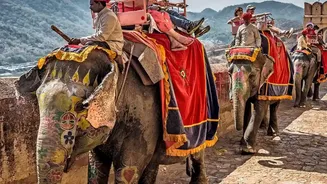
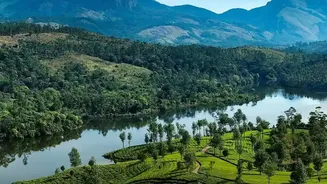
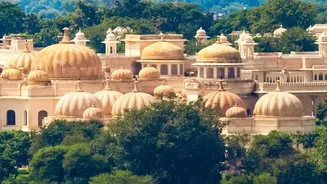
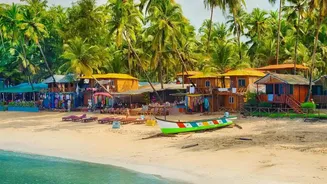
The principles of slow travel are perfectly suited for exploring the vast and diverse landscapes of India. Imagine spending a week in a single village in the Himalayas, learning about local customs and taking leisurely hikes, instead of rushing between tourist towns. Picture renting a houseboat on the Keralan backwaters for several days, allowing the rhythm of the water to set your pace. Or consider basing yourself in a heritage homestay in a quiet corner of Goa or Rajasthan, using it as a hub to explore the surrounding region without a rigid agenda. From taking the Konkan Railway to appreciate the coastal scenery to simply spending afternoons in a neighbourhood chai stall, India offers countless opportunities to slow down and connect more deeply with its incredible culture, people, and places.