








It Can Lead to Weight Gain
One of the most well-documented effects of eating too fast is its link to weight gain and obesity. [5, 18] It takes approximately 20 minutes for your brain to receive and process satiety signals—the hormones that tell you you're full. [2, 16] When you eat quickly,
you can easily consume more calories than your body needs before this signal kicks in, leading to overeating. [2, 16] Studies have shown that fast eaters are up to twice as likely to be obese compared to those who eat slowly. [5] Over time, this repeated overconsumption contributes significantly to weight gain. [16]
Your Digestion Suffers
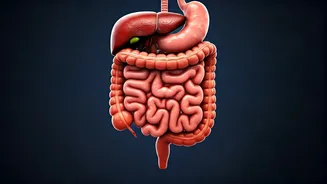
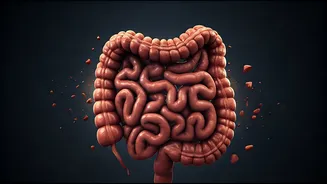
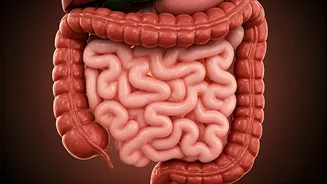
Digestion is a process that begins in your mouth. [3] Chewing thoroughly breaks down food into smaller particles and mixes it with saliva, which contains digestive enzymes. [12, 14] When you rush, you don't chew your food properly. This forces your stomach to work harder to break down larger pieces of food, which can lead to indigestion and discomfort. [2, 9] Furthermore, eating quickly often causes you to swallow excess air, resulting in bloating, gas, and stomach pain. [9, 15]
Increased Risk of Acid Reflux
Gobbling down your food can also trigger heartburn and acid reflux. [9] When you eat too fast, you're more likely to overfill your stomach. This can place pressure on the lower esophageal sphincter (LES), the valve that keeps stomach acid from flowing back into your esophagus. [9, 12] A weakened or overwhelmed LES can lead to the uncomfortable burning sensation of acid reflux. Over time, chronic reflux can contribute to more serious conditions like gastroesophageal reflux disease (GERD). [14]
You May Absorb Fewer Nutrients
Proper nutrient absorption is compromised when you don't give your body enough time to do its job. [2] The initial stage of digestion in the mouth is a crucial step for unlocking nutrients from your food. [12] If food isn't broken down sufficiently by chewing, it becomes harder for your digestive system to extract all the essential vitamins and minerals as it passes through your intestines. [2, 14] This means that even if you're eating a healthy diet, you might not be getting the full nutritional benefit from your meals. [14]
Higher Risk of Metabolic Syndrome
Beyond weight gain, eating quickly is associated with an increased risk of metabolic syndrome—a cluster of conditions that includes high blood pressure, high blood sugar, excess body fat around the waist, and abnormal cholesterol or triglyceride levels. [1, 4] This syndrome significantly raises your risk for heart disease, stroke, and type 2 diabetes. [4, 15] Studies have found that fast eaters have a significantly higher incidence of developing metabolic syndrome compared to slow eaters. [4, 6] This may be because rapid eating can cause larger fluctuations in blood glucose and lead to insulin resistance over time. [4, 16]
You Miss Out on Meal Satisfaction
Finally, rushing through meals diminishes the psychological satisfaction and enjoyment of eating. [2] Mindful eating—paying full attention to the experience of eating—allows you to better appreciate the flavors and textures of your food. [19] This not only enhances pleasure but also helps you become more attuned to your body's hunger and fullness cues, reducing the chances of overeating and fostering a healthier relationship with food. [17, 22] When you eat fast, you're often eating on autopilot, missing out on one of life's simple pleasures.