




Confirm the Season Opening
The rafting season in Rishikesh is officially closed during the peak monsoon months, from July to mid-September, for safety reasons. The 2026 season is expected to begin around September 23rd, following safety checks of the river's flow and rapids by
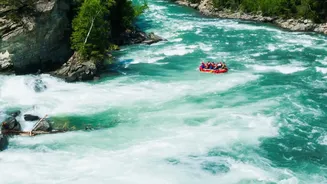
authorities. This “late-monsoon” or post-monsoon period offers powerful, exciting rapids due to high water levels. Before you book anything, verify the official opening date with the Uttarakhand Tourism Department or reliable local operators. Conditions can be variable, so this initial check is a crucial first step for a safe trip.
Choose a Government-Approved Operator
Your safety on the water depends almost entirely on your operator. In Rishikesh, prices can range from ₹600 to over ₹2,500 depending on the route. While budget is a concern, do not choose an operator simply because they are the cheapest. Unlicensed operators might cut corners by overloading rafts, using poorly maintained gear, or hiring untrained guides. Insist on a government-registered company. Look for operators registered with the Uttarakhand Tourism Department, who provide certified guides trained in first-aid and rescue, along with safety kayakers who accompany the raft.
Pick the Right Rafting Stretch
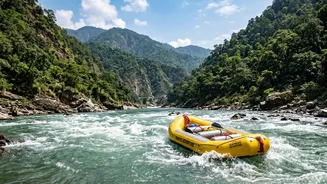
Rishikesh offers several rafting stretches with rapids graded from I (easy) to V (extreme). As a beginner, it is vital to choose a route that matches your comfort and fitness level. The most suitable stretch for first-timers is the Brahmpuri to Rishikesh route (around 9-12 km). It features Grade I and II rapids, making it a gentle introduction to the sport. The popular Shivpuri to Rishikesh stretch (16 km) includes Grade II and III rapids and is often considered a good option for adventurous beginners. Avoid longer, more intense routes like Marine Drive (24 km) or Kaudiyala (35 km), which feature difficult Grade IV and V rapids meant for experienced rafters.
Prioritise the Safety Briefing and Gear
Every legitimate rafting trip begins with a detailed safety briefing. Pay close attention. Your guide will explain essential paddle commands and what to do if you fall into the water. Two pieces of gear are non-negotiable: a life jacket (Personal Flotation Device) and a helmet. Ensure your life jacket is buckled tightly and your helmet fits snugly. An ill-fitting jacket is a serious hazard. You don’t need to be a swimmer for beginner routes, as the life jacket will keep you afloat, but listening to your guide's instructions is critical for your safety.
Dress for the Water, Not the Weather
What you wear can significantly impact your comfort and safety. Avoid cotton clothing like jeans and t-shirts, as they become heavy when wet and lose warmth. Opt for quick-drying synthetic materials like polyester or nylon shorts and tops. For footwear, choose secure sandals with ankle straps, water shoes, or old sneakers. Flip-flops are a definite no as they will get lost in the river. Leave valuables like phones, wallets, and non-waterproof watches behind. Most operators provide a dry bag for essential small items.
Budget Smartly Without Sacrificing Safety
A budget trip doesn't have to be a risky one. The cost for a beginner-friendly 9-12 km stretch is typically around ₹600 per person. For a more thrilling 16 km ride from Shivpuri, expect to pay about ₹1,000. Many operators offer packages that combine rafting with riverside camping, meals, and a bonfire, which can be a cost-effective option starting from around ₹1,600 per person per night. Booking directly with a reputable company online or through trusted hostels can help you avoid touts offering suspiciously cheap deals that compromise on safety.