








From Complex Powders to Simple Produce
For years, the wellness industry leaned into complexity. Think expensive supplement stacks, imported superfood powders with unpronounceable names, and restrictive detox plans. But a fatigue has set in. Consumers are increasingly wary of processed wellness products
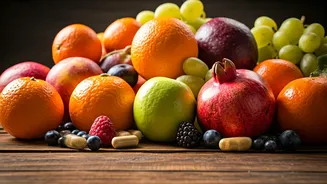
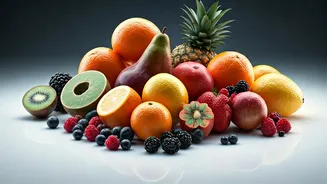
and are seeking simplicity, transparency, and affordability. Fruits, in their whole and natural form, are the perfect antidote. This shift is partly driven by a post-pandemic focus on immunity and foundational health. Instead of relying on a capsule, the thinking has pivoted towards “food as medicine”—a concept deeply rooted in Indian culture. People are rediscovering the power of what’s grown locally and seasonally. A simple bowl of fruit feels more intuitive and trustworthy than a lab-formulated protein bar. It’s a return to basics, celebrating whole foods over hyper-processed alternatives, making wellness feel more accessible and less like an exclusive club.
The New Stars of Your Fruit Bowl
While classics like bananas and apples remain staples, a new cast of 'hero' fruits is capturing the spotlight, each with its own compelling wellness story.
**Dragon Fruit (Pitaya):** With its shocking pink skin and speckled flesh, dragon fruit is an Instagram dream. But its appeal isn't just aesthetic. It’s touted for being rich in antioxidants, fibre, and prebiotics that feed healthy gut bacteria.
**Papaya:** This tropical staple is having a major moment, celebrated for its digestive enzyme, papain. Wellness circles are buzzing about its ability to soothe indigestion, reduce bloating, and promote clear skin thanks to its high vitamin C and A content.
**Jamun (Indian Blackberry):** A seasonal favourite, jamun is being hailed for its role in blood sugar management. Rich in anthocyanins and antioxidants, it aligns perfectly with the growing interest in managing metabolic health through diet. Its deep purple hue also signals a high concentration of powerful plant compounds.
What Nutrition Experts Really Think
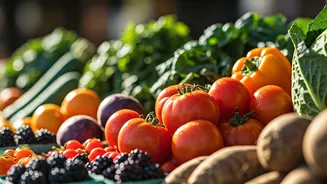
While the social media hype is new, the advice to eat fruit is not. Nutritionists and dietitians are largely pleased with this trend, but they offer important caveats. The consensus is clear: local and seasonal is always best. Your body is naturally attuned to the produce that grows around you at a specific time of year. Think mangoes in the summer for hydration and energy, and guavas in the winter for a vitamin C boost to ward off colds.
Experts like celebrity nutritionist Rujuta Diwekar have long championed this philosophy, urging people to embrace traditional food wisdom over fleeting global fads. They stress the importance of eating the whole fruit to get the benefits of its fibre, which helps regulate blood sugar absorption and aids digestion. Turning fruit into a juice strips away this crucial fibre, leaving you with a concentrated dose of sugar. The advice is to eat your fruit, not drink it.
A Reality Check on 'Superfruits'
It’s crucial to separate the science from the sales pitch. While fruits are undeniably healthy, no single fruit is a magic bullet for all your health woes. The term 'superfruit' is largely a marketing concept. A varied diet rich in different colourful fruits and vegetables will always be more beneficial than obsessing over one trendy item.
Furthermore, moderation is key. Fruits contain natural sugars (fructose), and overconsumption can still contribute to a high sugar intake. A balanced plate should not be replaced entirely by a giant fruit platter. The real 'superpower' comes from the synergy of vitamins, minerals, fibre, and antioxidants working together. Instead of chasing the most exotic and expensive fruit on the market, focus on incorporating a rainbow of affordable, accessible, and seasonal options into your daily routine.