



Puri: Beyond the Divine
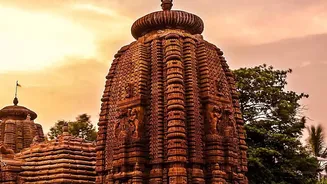
While the magnificent Jagannath Temple rightfully dominates any conversation about Puri, the city's architectural narrative is far more layered. Stroll through the lanes branching off from the main temple complex, and you will discover numerous 'mathas'
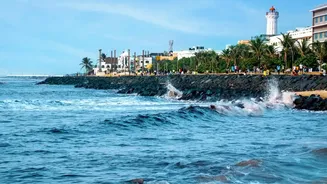
(monasteries). These ancient institutions, some dating back centuries, feature a unique blend of Kalinga temple architecture and residential designs, with serene courtyards and ornate doorways. The British, who arrived in the 19th century, also left their mark. They established Puri as a seaside resort, leading to the construction of stately colonial bungalows with deep verandahs and jack arches, designed for comfort in the tropical climate. Many of these structures, some now repurposed as hotels or government buildings, line the sea-facing promenade, offering a glimpse into a bygone era of leisure and colonial administration. This architectural duality makes Puri a fascinating study in how sacred and secular histories can coexist.
Gopalpur-on-Sea: A Colonial Time Capsule
Once a bustling commercial port under the British, Gopalpur-on-Sea is now a tranquil resort town steeped in nostalgia. Its past glory is evident in the crumbling but majestic colonial-era villas and warehouses that dot the landscape. During British rule, Gopalpur was a key hub for trade with Burma, and wealthy British and Bengali families built grand summer homes here. The iconic lighthouse, another relic of its maritime past, still stands tall, offering panoramic views of the Bay of Bengal. Visitors can walk along the beach and spot the ruins of the old jetty, a silent testament to the town's once-thriving port activities. The architecture here is a poignant reminder of its history—from a Kalinga-era port known as Mansurkota to a premier British seaside resort and finally, to the sleepy, charming town it is today.
Balasore: A European Medley
Balasore’s history is a fascinating account of multiple European powers vying for a foothold in India. Long before the British solidified their rule, Balasore was a thriving trading post for the Dutch, French, and even the Danes. This multicultural influence is reflected in the town's architectural remnants. While many structures have been lost to time, you can still find traces of this layered past. The British constructed several public buildings, some of which are still in use today, like the Collectorate and old school buildings that showcase a fusion of colonial and indigenous styles. The town was a key factory 'loge' for the French East India Company, a small but strategically important piece of French territory. Exploring Balasore is like an archaeological dig into Europe's colonial ambitions in India, with each ruin and repurposed building telling a different nation's story.
Paralakhemundi: A Princely Detour
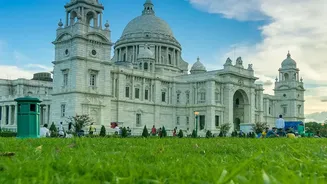
Though located slightly inland from the immediate coast, the story of Paralakhemundi is inextricably linked to the region's royal and colonial history. The Gajapati Palace, the magnificent seat of the local rulers, is the town's crowning glory. Its construction began in 1835, and the design, attributed to British architect Robert Fellows Chisholm, is a spectacular example of the Indo-Saracenic style. The palace blends Indian, Byzantine, and European architectural elements, featuring grand halls, ornate arches, and sprawling courtyards. The rulers of Paralakhemundi, particularly Maharaja Krushna Chandra Gajapati, were instrumental in the formation of Odisha as a separate province. A visit to this palace is a detour worth making, offering a window into the life of Indian royalty during the British Raj and their role in shaping modern Odisha.