


Round 1: The Undisputed Champions
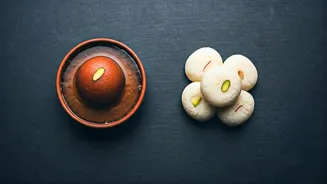
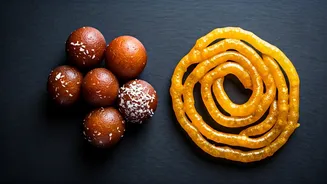
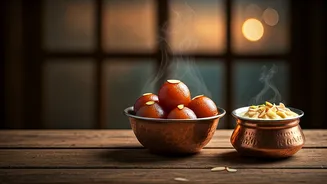
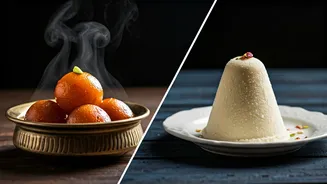
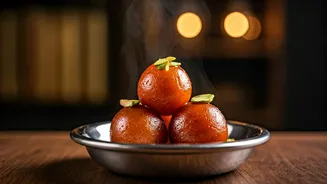
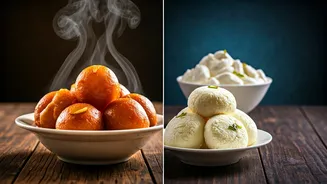
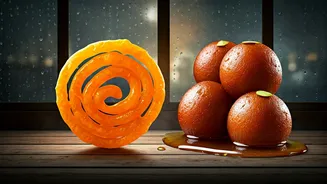
In the warm corner, we have the heavyweight champion of celebrations: Gulab Jamun. These soft, pillowy dumplings, made from milk solids (khoya) and fried to a perfect golden-brown before being soaked in a fragrant, rose-scented syrup, are a cultural constant.
[17, 21] They are a staple at weddings, festivals, and family gatherings across the country. [3, 17] Their power lies in their simplicity and the comforting warmth that feels like a hug in a bowl. [17] Stepping into the ring from the cold corner is the undisputed king of cool, Kulfi. Often described as traditional Indian ice cream, kulfi is denser and creamier, made by slow-cooking milk until it reduces and thickens. [3, 7] This process gives it a rich, concentrated flavour that can't be rushed. [7] Served in popular flavours like pistachio, mango, and saffron, a slice of kulfi on a hot day is a cherished memory for generations. [3, 7] Recently, Kulfi was even recognised as one of the world's best frozen desserts, cementing its global appeal. [7, 15]
Round 2: The Winter Warmer vs. The Summer Soother
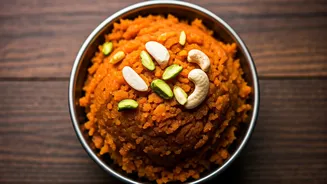
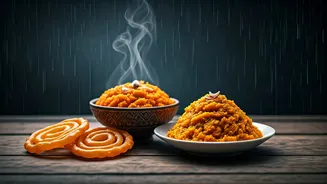
When the temperature drops, nothing beats a bowl of warm Gajar ka Halwa. This iconic winter dessert, originating from North India, is made by slow-cooking grated red carrots with milk, ghee, and sugar until it becomes a rich, fragrant pudding. [27, 28] The best Gajar ka Halwa is made with seasonal winter carrots, which are sweeter and give the dish its signature vibrant colour and taste. [23, 29] It's a seasonal delight that feels both indulgent and wholesome. [28]
Its opponent is a dessert synonymous with summer elegance: Ras Malai. This Bengali specialty consists of soft, spongy discs of chhena (cottage cheese) soaked in chilled, thickened milk (rabri) that is delicately flavoured with saffron and cardamom. [1, 13] The magic of Ras Malai is in its texture and temperature—the cold, creamy milk infusing the soft cheese balls, making it an incredibly refreshing treat after a hearty meal. [2] Some argue it's a sweet that simply doesn't work when warm. [1]
Round 3: The Street Food Stars
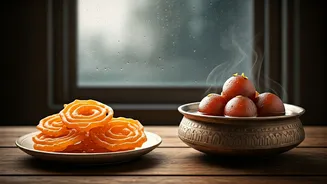
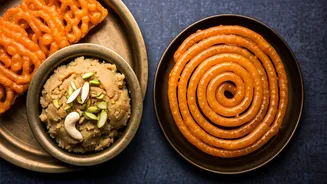
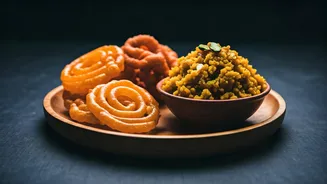
Representing warm sweets from every street corner is the glorious Jalebi. These bright orange, crispy spirals of deep-fried batter are soaked in sugar syrup and are a feast for the eyes and the palate. [6, 20] Though its origins trace back to West Asia, where it was known as 'Zulabiya', India has wholeheartedly adopted it. [24, 25, 26] Often enjoyed hot and fresh, sometimes with a side of creamy rabri, jalebi is a symbol of celebration and Indian hospitality. [6, 20]
From the cold side comes Phirni, a creamy ground rice pudding. Traditionally served chilled in earthen bowls called 'shikoras', which enhances its flavour and keeps it cool, Phirni is a lighter, more refined cousin of kheer. [1] It’s often flavoured with saffron, cardamom, and rose water, and garnished with pistachios and almonds. [4] Its delicate texture and subtly sweet, aromatic profile make it a sophisticated and cooling end to any meal, especially popular during festivals.
The Verdict: A Tie for the Ages
While the battle is fierce, declaring a single winner is an impossible, and perhaps pointless, task. The choice between a warm and a cold dessert is rarely about one being objectively better than the other. It’s about context, season, and mood. The comforting warmth of a Moong Dal Halwa or Gulab Jamun is perfect for a chilly winter evening, providing a sense of cosiness and indulgence. [5, 6] Conversely, the refreshing coolness of Kulfi, Shrikhand, or Ras Malai offers welcome relief during India’s scorching summers. [1, 10]
Some desserts even play for both teams. Kheer, the classic Indian rice pudding, is enjoyed warm by many, especially right after it's cooked, but others swear it tastes better the next day, served chilled straight from the fridge. [10, 12] This duality proves that temperature in Indian sweets is often a matter of personal preference and tradition. The real winner, then, is the extraordinary diversity of India's dessert culture.