



The Community Ritual of Food
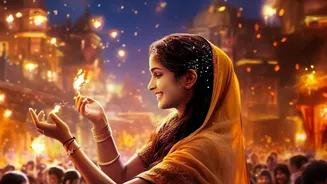
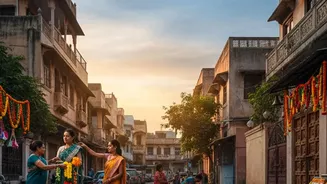
Diwali food traditions go far beyond mere consumption. The act of preparing these elaborate snacks and sweets, known as 'mithai', is a cherished ritual that brings families and communities together. Kitchens become bustling hubs of activity where recipes
passed down through generations are brought to life. The first batch is often offered to deities like Goddess Lakshmi in a prayer ceremony called a puja, a gesture of gratitude and a prayer for prosperity. Sharing these homemade delicacies with neighbours and friends is a cornerstone of the festival, strengthening community bonds and spreading the sweetness of the season.
Savoury Delight: Chakli and Murukku
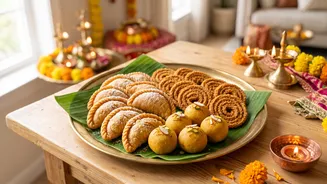
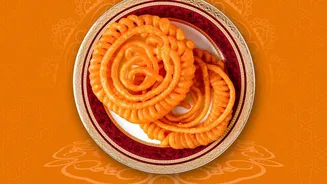
Among the most iconic savoury snacks is the crunchy, spiral-shaped delight known by many names. In Maharashtra, it's 'chakli', made from a nutty blend of roasted flours, while in the South, it’s 'murukku', typically crafted from rice flour for a lighter snap. The name itself, derived from the Tamil word for 'twisted', describes its distinctive shape, which is ingeniously designed for maximum crispness. This snack is a staple on the Diwali platter, offering a perfect salty counterpoint to the abundance of sweets.
Sweet Parcels: Gujiya and Karanji
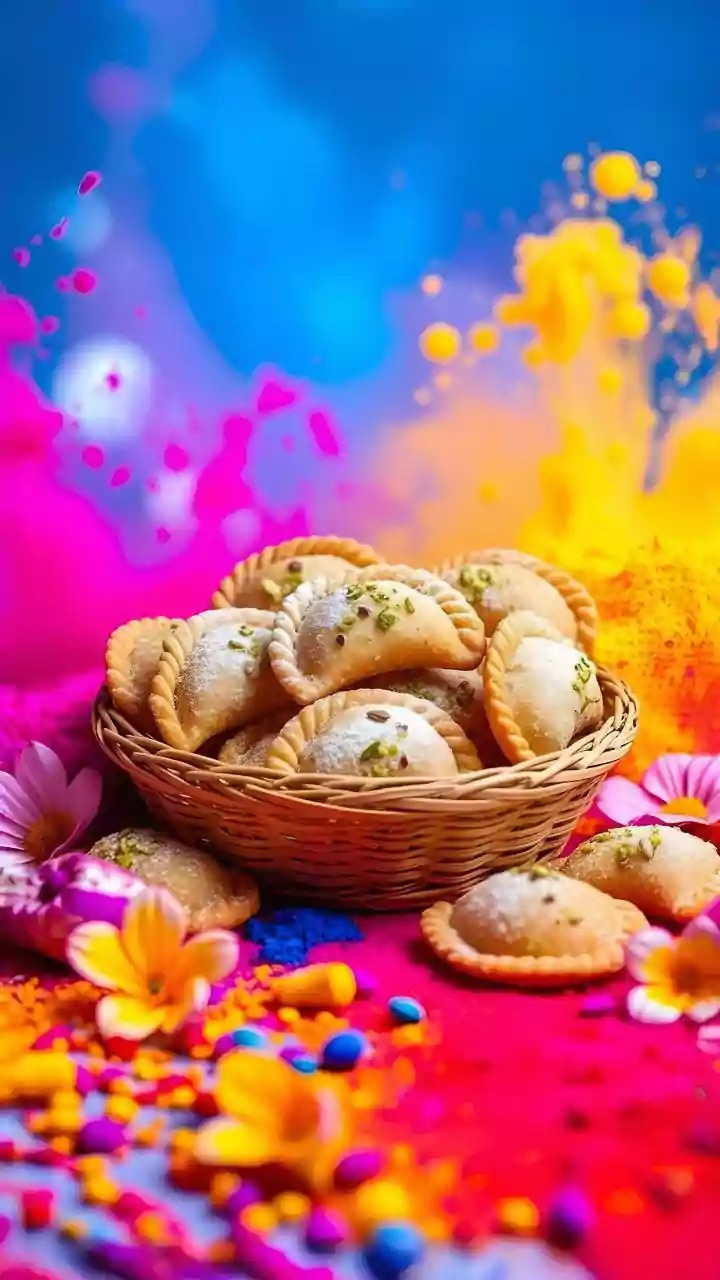
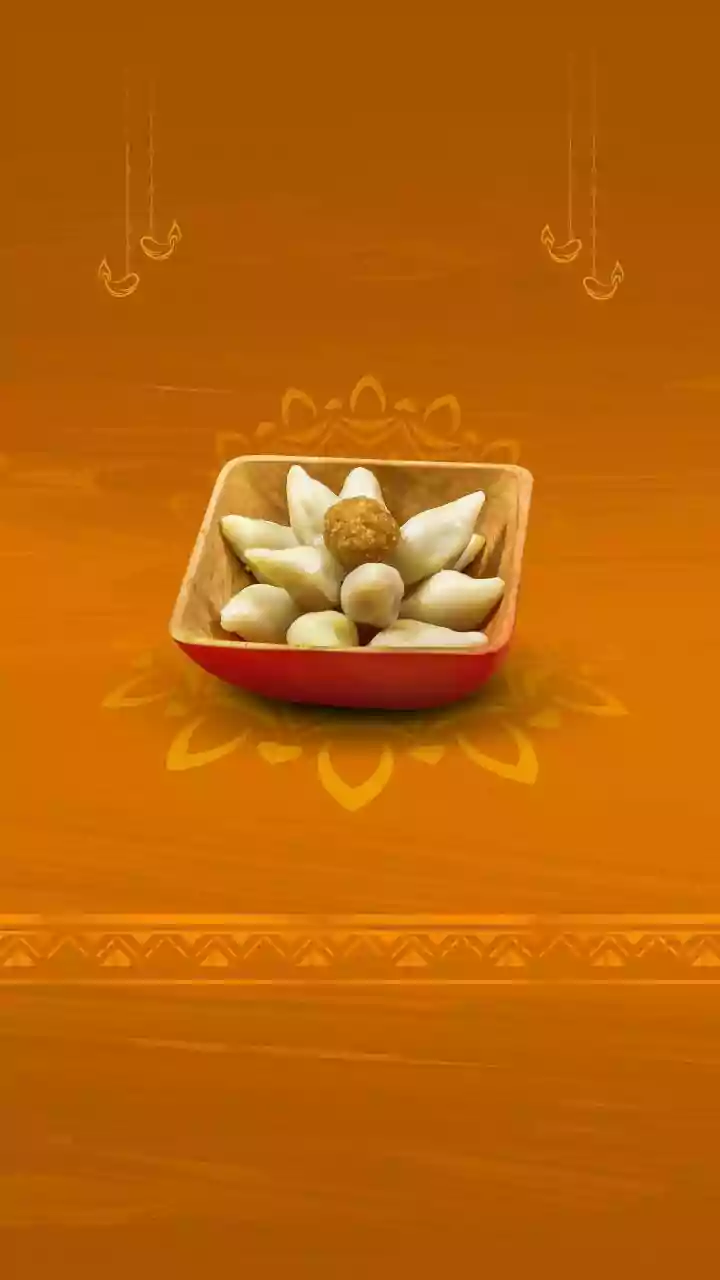
No North Indian Diwali is complete without 'gujiya', a crescent-shaped pastry filled with a sweet mixture of khoya (milk solids), dried fruits, and nuts. Its origins are debated, with some theories linking it to the Middle Eastern samosa or even Turkey's baklava. In Maharashtra, a similar sweet pastry called 'karanji' is popular, sometimes filled with fresh coconut and jaggery. These deep-fried dumplings are a testament to the richness of festive indulgence and are prepared with great care in households across the country.
The Quintessential Sweet: Ladoo
Ladoos, sphere-shaped sweets, are perhaps the most universally beloved festive treat in India. Variations are endless, but 'Besan Ladoo' and 'Motichoor Ladoo' are iconic Diwali staples. Besan Ladoo is made from gram flour roasted in ghee until it develops a nutty aroma, while Motichoor Ladoo consists of tiny fried balls of gram flour soaked in sugar syrup. These sweets are often offered to deities, particularly Lord Ganesha, and symbolize happiness and prosperity.
The Savoury Medley: Mixture and Chivda
A tin of savoury 'mixture' is a fixture in every home during Diwali. It’s not a single snack but an artful assembly of different crunchy elements like 'sev' (crispy chickpea flour noodles), 'boondi' (tiny fried balls), fried lentils, peanuts, and curry leaves. Regional variations abound; a Madras mixture might feature coconut oil and curry leaves, while a Bombay mixture is typically spicier. Another popular savoury mix is 'chivda', made with flattened rice (poha), nuts, and spices. It can be deep-fried for indulgence or roasted for a lighter, healthier option.
Diamond of Sweets: Kaju Katli
Elegant, delicate, and irresistibly smooth, 'Kaju Katli' is considered by many to be the king of Indian sweets. Made from a simple paste of cashews and sugar, this diamond-shaped confection is a popular gift exchanged between friends and family during the festival. Its mild sweetness and melt-in-the-mouth texture make it a sophisticated and cherished part of the Diwali celebration, representing good fortune and the spirit of giving.