


More Than Just Walking With Sticks
At first glance, Nordic walking looks like hiking, but its origins and technique tell a different story. Developed in Finland in the 1930s as a summer training method for cross-country skiers, it uses specially designed poles to transform a simple walk into
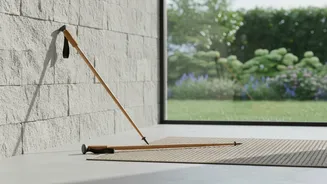
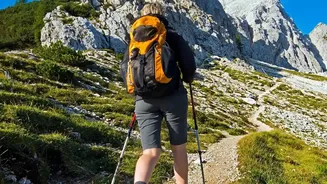
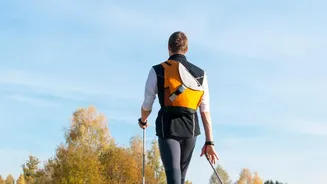
a comprehensive workout. Unlike trekking poles used for stability, Nordic poles are actively used to propel the body forward. The technique involves a coordinated rhythm, typically moving the opposite arm and leg forward at the same time, similar to natural walking but amplified. This engages the upper body, core, and legs, making it a surprisingly effective, low-impact activity suitable for almost any age or fitness level.
A Full-Body Workout in Plain Sight
The magic of Nordic walking lies in its efficiency. While regular walking primarily uses muscles in the lower body, adding poles engages up to 90% of the body's muscles, including the arms, shoulders, chest, and back. This increased muscle activation leads to significant benefits. Studies and experts note that Nordic walking can burn up to 46% more calories than regular walking at the same pace. It also improves cardiovascular health, enhances posture, and strengthens the core. Crucially, it remains a low-impact exercise. The poles help distribute weight and reduce stress on joints like the knees and hips, making it an excellent alternative to running for those with joint concerns or arthritis.
From Niche Sport to Everyday Wellness
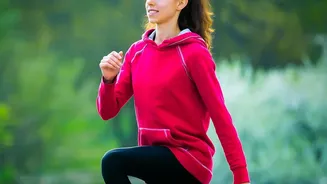
For decades, Nordic walking was seen as an activity for serious athletes or older adults. Recently, however, it has undergone a significant shift, attracting a younger, more diverse audience. This change reflects a broader trend in fitness towards accessible, sustainable, and enjoyable activities. It’s no longer just for skiers in the off-season; it’s for office workers seeking to undo the effects of a sedentary day, individuals recovering from injuries, and anyone looking for a social and effective way to get outdoors. Its adaptability is its strength—you can have a gentle walk for recovery or a high-intensity workout, all with the same equipment. This flexibility has repositioned Nordic walking as a practical solution for everyday fitness.
The Golden Rule: Start Slow, Go Far
Nordic walking's success as an accessible exercise is rooted in the principle of gradual training. It's a perfect real-world example of how starting slow leads to lasting results. The fundamental idea of gradual progression is that muscles, joints, and cardiovascular systems need time to adapt to new stresses. Pushing too hard, too soon is a common mistake that leads to injury, overtraining, and mental burnout, causing many to abandon their fitness goals. By starting with shorter walks and focusing on proper technique before increasing speed or duration, Nordic walkers build a solid foundation. This approach prevents strain, builds confidence, and fosters consistency—the true keys to long-term fitness.
Your First Steps With Nordic Poles
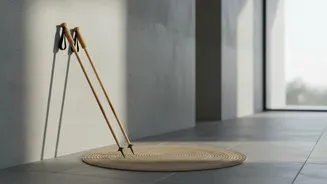
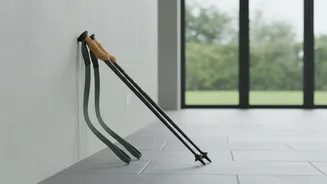
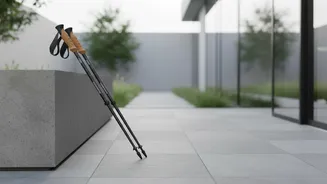
Getting started is straightforward. First, ensure you have the right poles, which feature a glove-like strap system, not just a simple loop. Begin by practicing the basic technique without overthinking it. Stand tall, keep your shoulders relaxed, and let your arms swing naturally from the shoulder, not the elbow. Plant the pole angled backward, behind your body, in sync with your opposite foot. Start with short, 20-minute sessions two or three times a week, focusing on rhythm and coordination rather than speed. As you get comfortable, you can gradually increase the duration of your walks by about 10% each week. Many communities offer introductory classes, which can be a great way to learn the correct form and meet others.