






The Plastic Problem on Our Doorstep
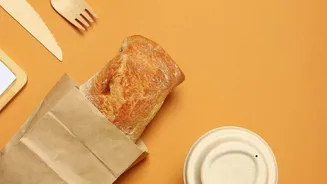
India’s appetite for online food delivery has created a colossal waste problem. According to some estimates, the sector generates tens of thousands of tonnes of single-use plastic waste every month. This includes everything from containers and cutlery
to the thin films sealing the packages. A study noted that packaging is the single largest use of plastic in the country, with flexible packaging like food packets and delivery boxes being a major contributor. This plastic often ends up in landfills and oceans, choking ecosystems and taking centuries to degrade, breaking down into harmful microplastics along the way. With plastic waste generation growing at over 20% annually in India, the search for sustainable alternatives is no longer a choice but a necessity.
An Unlikely Hero: From Ocean to Packaging
Enter seaweed, a resource that sounds more like a sushi ingredient than a packaging solution. Unlike land-based crops used for other bioplastics, seaweed is a powerhouse of sustainability. It requires no freshwater, fertilisers, or pesticides to grow. In fact, its cultivation is carbon-negative, as seaweed absorbs significant amounts of CO2 from the atmosphere—up to 20 times faster than land forests. India, with its extensive 7,500-kilometre coastline, has a natural advantage and a long tradition of seaweed harvesting, presenting a massive opportunity to cultivate this resource for a new, green economy. This fast-growing marine algae is now being seen as one of the most promising frontiers in the fight against plastic pollution.
How Algae Becomes Your Food Container
The transformation from ocean plant to food box involves extracting natural polymers like agar and carrageenan from the seaweed. These gelatinous substances are then processed, often mixed with other natural plasticisers, and engineered into various forms. The results are materials that can be made into flexible films, grease-proof coatings for paper boxes, or even moulded into solid containers. The end product looks and feels remarkably like plastic but comes with a crucial difference: it’s designed to disappear. Most seaweed-based packaging is fully biodegradable and home-compostable, breaking down in a matter of weeks or months without leaving toxic residues or microplastics behind. Some variations are even edible.
The Indian Innovators Leading the Charge
Several Indian startups are at the forefront of this movement. Pune-based Zerocircle, founded by Neha Jain, is a prominent name, creating seaweed-based films and coatings that are marine-degradable. The company has already partnered with major food delivery platforms like Swiggy and Zomato for pilot projects, replacing plastic-lined burger boxes with their seaweed-coated, microplastic-free alternatives. Another player, EdZero, an IIT Ropar-incubated startup, is developing India's first edible and antimicrobial seaweed packaging film. These companies often work directly with coastal farming communities in states like Gujarat and Tamil Nadu, ensuring that the growth of this new industry also supports local livelihoods.
Hurdles on the Path to Mainstream
Despite the promise, algae packaging is not yet a magic bullet. The biggest challenge is cost and scale. Currently, seaweed-based materials can be significantly more expensive than conventional plastic. Furthermore, India’s seaweed cultivation infrastructure is still nascent compared to global leaders like China and Indonesia. Scaling up production to meet the demands of the entire food delivery industry requires massive investment in farming and processing. There are also performance gaps to address. While ideal for many uses, some current versions of the packaging struggle with the holy grail of Indian food delivery: holding hot, oily, and wet curries without degrading. Innovators are actively working to improve the material's barrier properties to overcome these limitations.