

The Monsoon Compromise of the Past
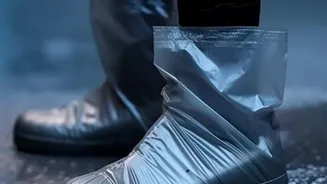
For years, monsoon footwear in India was a story of compromise. We either sacrificed our good shoes to the inevitable waterlogging and mud, or we resigned ourselves to flimsy, uncomfortable plastic flip-flops that offered little support and even less
grip on slippery surfaces. The choices were limited: heavy, clunky gumboots for extreme conditions, or cheap sandals that barely survived the season. Comfort was an afterthought, and a secure footing was more a matter of luck than design. This approach often led to foot-related issues, from shoe bites and blisters to fungal infections exacerbated by shoes that wouldn’t dry.
What's Driving the 2026 Shift?
This year, consumer priorities have evolved significantly. The demand is no longer just for waterproof footwear, but for shoes that offer a combination of safety, comfort, and style. This shift is fueled by several factors. Firstly, there is a greater awareness of foot health and the problems caused by damp, ill-fitting shoes. Secondly, advancements in material technology have made high-performing footwear more accessible and affordable. Materials like EVA (Ethylene Vinyl Acetate) and PVC (Polyvinyl Chloride) are now being used to create shoes that are not only waterproof but also lightweight, cushioned, and quick-drying. Finally, Indian consumers are now demanding more from their everyday products, seeking durability and thoughtful design that suits their active lifestyles.
Why Grip Is Now Non-Negotiable
Navigating Indian cities during monsoon means encountering a minefield of slippery surfaces, from polished tiles in building lobbies to uneven, muddy pavements. Consequently, a good grip has become a non-negotiable feature for savvy buyers in 2026. A fall waiting to happen is no longer an acceptable risk. Consumers are actively inspecting outsoles, looking for deep grooves and textured patterns that promise better traction. Materials like rubber are preferred over smoother plastics for their superior hold on wet surfaces. Brands are responding by engineering anti-slip soles and prominently marketing them as a key safety feature, acknowledging that staying upright is just as important as staying dry.
Redefining Rainy Day Comfort
The definition of comfort during the monsoon has expanded beyond simple cushioning. The 2026 trend emphasizes a holistic approach. Lightweight construction is key, as no one wants to drag around heavy, waterlogged shoes. Breathability is another crucial factor; materials with vents or that naturally allow for air circulation help prevent the sweaty, trapped feeling that leads to odour and fungal infections. This is where materials like EVA truly shine. They are not only inherently waterproof and light but are also often designed with perforations and an anatomical shape to support the foot comfortably for hours. This focus on all-day wearability marks a significant departure from footwear that you couldn't wait to take off.
Styles That Embody the New Standard
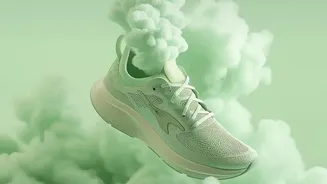
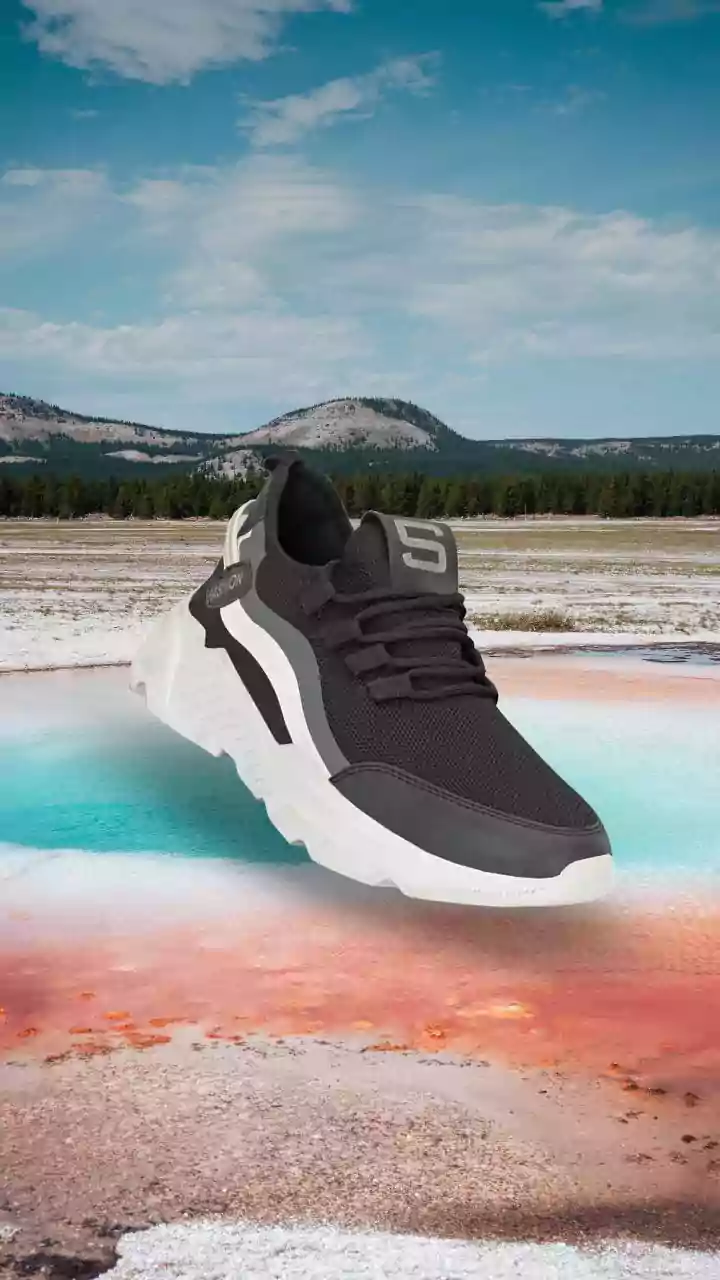
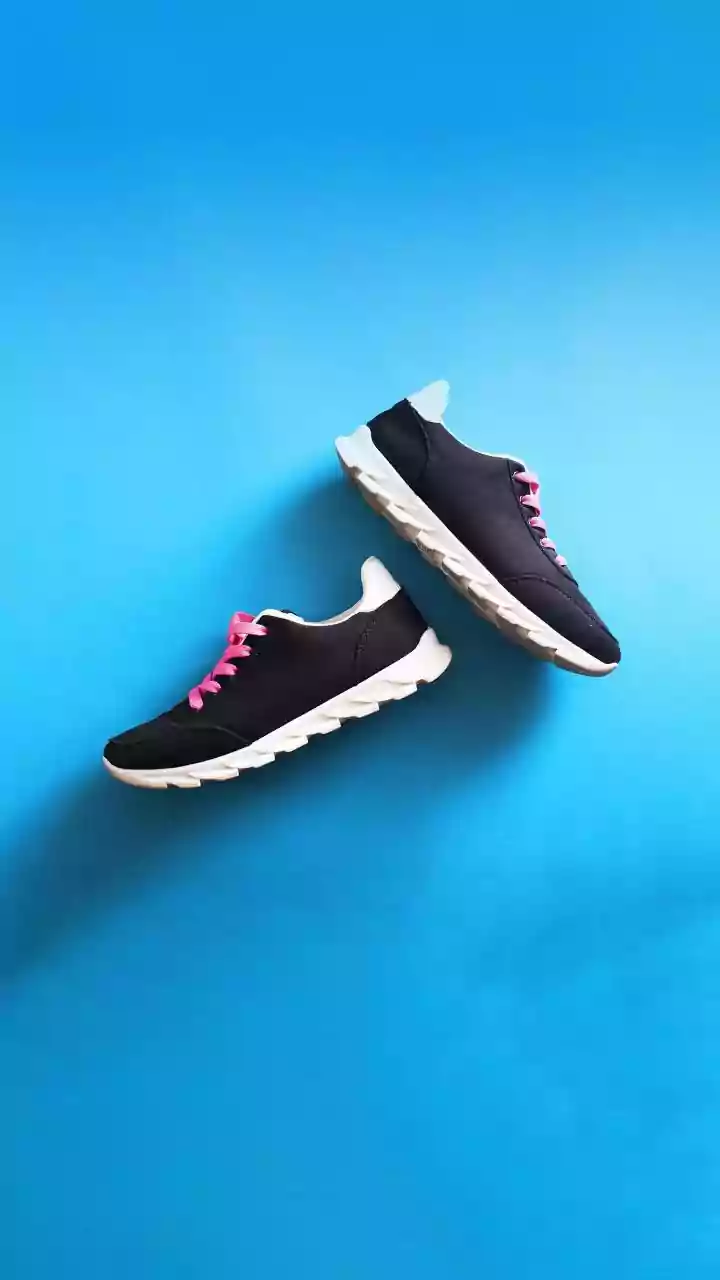
The shift towards comfort and grip is visible across a range of popular styles this season. Clogs, once seen as purely functional, have been reimagined with sleeker designs and are praised for their durability and comfort. Waterproof sneakers crafted with technologies that seal out water while remaining breathable are gaining popularity for urban commuters who want style without compromise. Jelly shoes are also making a comeback, updated with modern silhouettes and better materials that offer both nostalgic charm and practical benefits. Even traditional floaters and sandals are being upgraded with better arch support, more secure straps, and high-traction rubber outsoles, proving that practical monsoon footwear no longer needs to be boring.