



The Psychology of a Great Display
The difference between a cluttered shelf and a curated one often comes down to one word: intention. When objects are scattered without thought, our eyes perceive chaos. But when they are arranged with care, they tell a story. Varying the height and shape
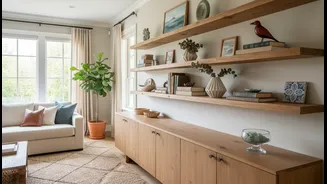
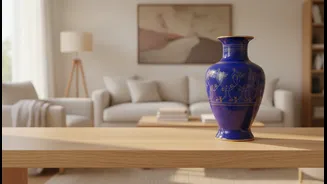
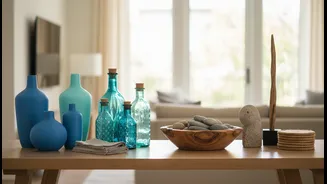
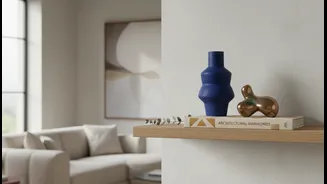
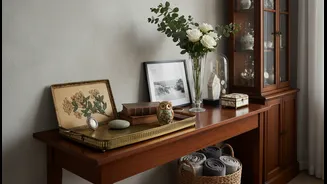
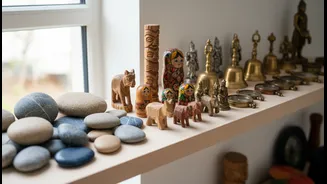
of your displayed objects is a fundamental principle of interior design that creates visual interest. Instead of a flat, monotonous line, a mix of tall, short, wide, and narrow items encourages the eye to move up and down and across the display, making it feel dynamic and engaging. This simple act of creating different levels and forms transforms a random assortment of items into a cohesive, thoughtful vignette.
Mastering the Art of Height Variation
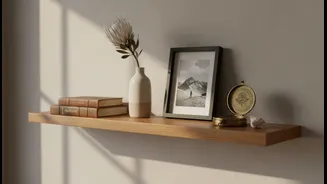
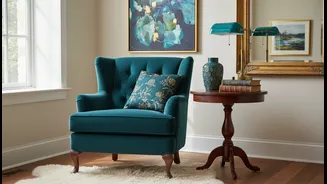
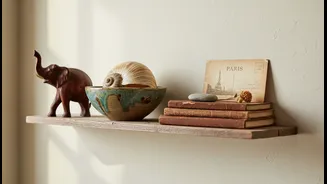
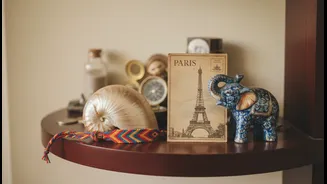
Achieving varied heights doesn't require a special set of tools; it just requires a little creativity. One of the easiest tricks designers use is stacking books horizontally to create small pedestals for shorter items. This not only adds height but also introduces texture and colour. You can also create visual triangles by grouping three objects of different heights—perhaps a tall vase, a medium-sized framed photo, and a small, low bowl. This is a classic styling rule known as the "rule of three" that creates a sense of balance and asymmetry that is pleasing to the eye. Look for ways to layer, placing taller pieces toward the back of the shelf and shorter items in the foreground to create a sense of depth.
Beyond Height: The Role of Shape and Texture
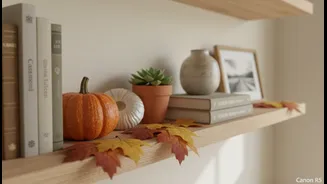
While varying heights is crucial, paying attention to shape and texture will elevate your display even further. A collection of objects that are all square or all round can feel repetitive. The most compelling arrangements mix contrasting forms. Place a round, smooth stone you picked up on a beach next to a rectangular, linen-bound travel journal. Pair a delicate, spindly coral fan with a squat, sturdy ceramic pot. The interplay between hard and soft, rough and smooth, and angular and curved creates a tactile richness that makes the entire grouping more interesting. This contrast prevents any single object from getting lost and ensures the collection feels assembled over time, not bought in a single set.
Grouping by Story, Not Just by Trip
Instead of lining up all your souvenirs from one country, think about creating small vignettes that tell a more personal story. A 'vignette' is a small, thoughtful grouping of objects that evokes a feeling or a specific moment. For example, group a train ticket, a pressed flower, and a small painted figurine from a single memorable afternoon. You can contain these smaller stories on a decorative tray or in a shadow box to make them feel more intentional. This method naturally encourages a variety of shapes and sizes. By focusing on the memory rather than just the location, your display becomes a unique narrative of your life and experiences, inviting conversation and personal reflection.
Editing is Your Most Powerful Tool
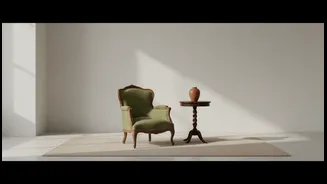
Finally, remember that a curated display is as much about what you leave out as what you put in. Overcrowding is the enemy of good design. A common mistake is feeling the need to display every single souvenir at once. Instead, give your treasured pieces room to breathe. This negative space allows each object to be seen and appreciated on its own merits. If you have a large collection, consider rotating items seasonally or whenever you want a fresh look. This not only prevents visual clutter but also allows you to rediscover and appreciate different pieces over time. By being selective, you increase the value and impact of each item on display.