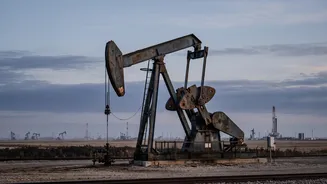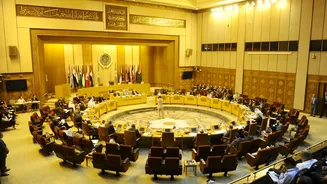








The annual global climate summit, a marathon of high-stakes diplomacy, has hit a wall. Negotiators at COP31 are locked in a bitter stalemate over the future of oil, gas, and coal, the very fuels that power our world but imperil its future.
The War of Words: Phase-Out vs. Phase-Down
At the heart
of the deadlock is a seemingly small but hugely significant linguistic battle: should the world agree to 'phase out' or 'phase down' fossil fuels? A 'phase-out' implies a complete end to the use of coal, oil, and gas, with a clear deadline. In contrast, a 'phase-down' suggests a more gradual reduction, without a firm end date, and potentially allowing for continued use if paired with unproven carbon capture technologies. Developed nations, including the EU and climate-vulnerable island states, are pushing hard for a full phase-out, arguing it’s the only way to keep the goal of limiting global warming to 1.5°C alive. For them, anything less is a betrayal of scientific reality.
A World Divided on Energy and Economics
The conflict splits the world into distinct camps. On one side are wealthy, industrialised nations that have largely already built their economies on fossil fuels. On the other are major oil and gas-producing states, like Saudi Arabia and Russia, who see a rapid phase-out as an existential threat to their economies. Caught in the middle are developing giants like India and China. These nations argue that they need fossil fuels, particularly coal, to lift millions out of poverty and ensure their energy security. They contend that they cannot be expected to leapfrog to green energy on the same timeline as the West without massive financial and technological support.
India's High-Stakes Balancing Act
For India, the stakes could not be higher. The nation relies on coal for about 70% of its electricity generation, and its energy demand is projected to grow faster than any other country's over the next two decades. New Delhi has consistently argued for a 'phase down' of all fossil fuels, not just coal, to ensure the burden is shared more equitably. India's position is rooted in the principle of 'climate justice'. Officials argue that developed nations, who are historically responsible for the vast majority of emissions, must take the lead and provide the promised financial support to help developing countries transition. Without this, forcing a coal phase-out is seen as punishing the poor for the actions of the rich.
The Trillion-Dollar Question of Climate Finance
The impasse over fossil fuels is inextricably linked to money. Developing countries are demanding that developed nations make good on their long-standing pledge to provide substantial climate finance. The initial promise of $100 billion a year, which was often not met, is now seen as vastly insufficient. Developing nations argue that they cannot commit to gut-wrenching economic changes without concrete, predictable, and grant-based financial aid to build renewable infrastructure and adapt to the climate impacts already being felt. They are wary of plans that push private loans, which could deepen their debt. This financial standoff has become a major sticking point, with developing countries unwilling to budge on emissions without firm commitments on funding.
What Happens When Diplomacy Fails?
The deadlock at COP31 is more than just a failure to agree on a document. It signals a deep fracture in global cooperation at a time when collective action is most needed. Scientists have repeatedly warned that the window to avoid catastrophic climate change is closing fast. Without a clear, unified signal from world leaders that the fossil fuel era is ending, the transition to clean energy could be slower and more chaotic. This would leave billions of people, particularly in vulnerable countries across the Global South, exposed to more extreme weather, rising sea levels, and economic instability. The failure to find common ground in the negotiating rooms of Antalya reverberates across the globe, impacting everyone's future.