







The Sweetness You Can Trust
One of the most common concerns about fruit is its sugar content. It’s a valid question, but it’s crucial to distinguish between the types of sugar. The sugar in a ripe mango or a sweet litchi is intrinsic, meaning it’s naturally occurring and packaged
within a matrix of fibre, water, vitamins, and minerals. This is fundamentally different from the ‘free sugars’ found in soft drinks, sweets, and even fruit juices. When you consume a whole fruit, your body has to work through the cellular structure to access the sugar, which leads to a much slower, more controlled release into the bloodstream. This prevents the sharp spikes and subsequent crashes in energy levels that are so common with processed, sugary snacks.
Fibre: The Unsung Hero
The single greatest advantage of whole fruit over almost any other sweet snack is its fibre content. This dietary fibre is the hero of balanced snacking. Firstly, it promotes satiety, the feeling of fullness. A fibre-rich apple or a bowl of papaya will keep you feeling satisfied for much longer than a biscuit with the same number of calories, helping to prevent overeating. Secondly, fibre is essential for good digestive health, acting as a prebiotic to feed the beneficial bacteria in your gut. Most importantly, as mentioned, it slows down the absorption of sugar, which is critical for maintaining stable blood sugar levels and long-term metabolic health. When fruit is juiced, this invaluable fibre is almost entirely removed.
Your Delicious Hydration Source
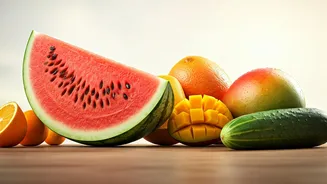
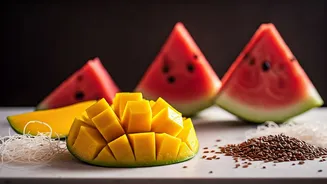
The Indian summer demands constant hydration, and while drinking water is non-negotiable, you can also eat your water. Many of the season’s best fruits are incredibly high in water content. Watermelon famously consists of about 92% water, making it a perfect snack for replenishing fluids after being out in the sun. Muskmelons, oranges, and even cucumbers (which are botanically a fruit) are also excellent sources of hydration. This water comes with an added bonus: electrolytes like potassium, which are lost through sweat and are vital for muscle function and maintaining fluid balance in the body.
A Powerhouse of Nutrients
Processed snacks are often described as providing 'empty calories'—they give you energy but little to no nutritional value. Whole fruits are the exact opposite; they are nutrient-dense. A single serving of fruit delivers a wealth of essential vitamins, minerals, and powerful plant compounds called phytonutrients. Mangoes are packed with vitamins A and C, jamun is rich in antioxidants called anthocyanins, and papayas are a fantastic source of digestive enzymes and vitamin C. These micronutrients work together to support your immune system, protect your cells from damage, and promote overall health. Choosing a fruit is choosing a snack that actively nourishes your body.
Making Smart, Simple Swaps
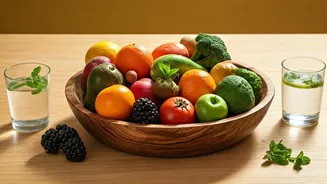
Integrating more whole fruit into your summer routine doesn't require a major lifestyle overhaul. It's about making small, intelligent swaps. Instead of reaching for a scoop of ice cream, try a bowl of chilled, chopped watermelon or muskmelon, perhaps with a sprinkle of chaat masala for a savoury kick. Craving something chewy and sweet? A handful of frozen grapes makes for a wonderful, candy-like treat. Instead of pouring a glass of packaged juice for your kids, offer them a whole orange or a colourful fruit salad. By framing whole fruit as the default snack—easy, accessible, and ready to eat—you can effortlessly shift your family’s habits towards a more balanced and vibrant summer diet.