





Before You Go: Research is Your Best Friend
Spontaneous trips are thrilling, but the monsoon is not the time for them in the mountains. Before booking anything, your first step is to become a weather and route expert. Constantly check the weather forecast from reliable sources like the India Meteorological
Department (IMD). Recent advisories for June 2026 have highlighted heavy rainfall warnings for states like Uttarakhand and Himachal Pradesh, which are prone to landslides. Look for news reports on road conditions, especially for landslide-prone highways like NH-10 in the Darjeeling-Sikkim belt or the routes to Munnar in Kerala. Some regions become almost inaccessible, with roads washed away or blocked for days. Choosing your destination wisely is key. Consider alternatives that offer a monsoon experience with lower risk, such as hill stations in the Sahyadris like Mahabaleshwar, which have better-maintained access roads compared to the more fragile Himalayan corridors.
Pack Smart: Beyond Just Raincoats
Your monsoon packing list needs a safety-focused upgrade. Waterproofing is non-negotiable. Use waterproof bags for your electronics and documents. Pack synthetic clothing that dries quickly, as cotton and denim stay damp and can get heavy. Beyond raincoats and umbrellas, your kit should include a powerful torch with extra batteries, a fully charged power bank, and a comprehensive first-aid kit with basic medicines, bandages, and antiseptic. Sturdy, non-slip waterproof footwear is crucial for navigating wet, uneven terrain. It's also wise to carry a stock of non-perishable snacks and drinking water in case you get stranded due to a road closure. Downloading offline maps of your route and destination can be a lifesaver in areas with poor or non-existent mobile networks.
On The Road: Drive with Extreme Caution
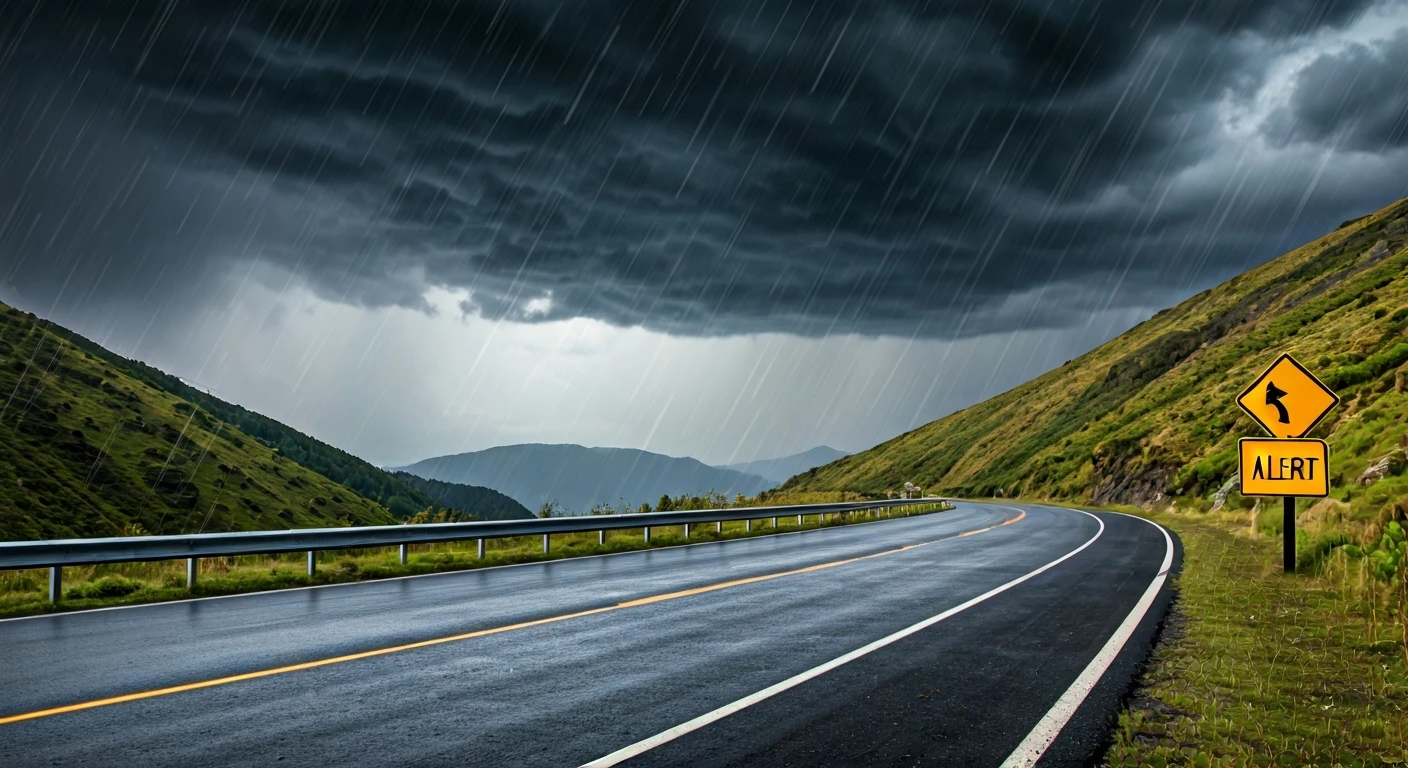
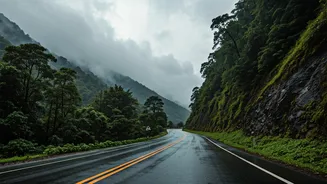
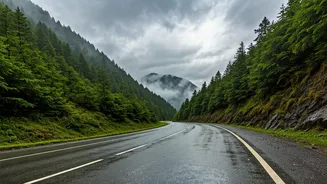
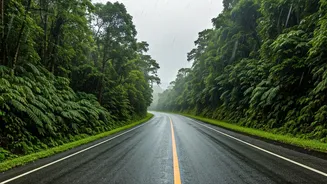
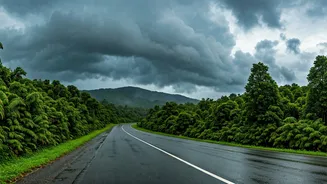
Driving in the hills during the monsoon is a serious challenge. Before you start, get your vehicle thoroughly checked, paying special attention to tyres, brakes, and windscreen wipers. On the road, the rules are simple: slow down and maintain a safe distance from the vehicle ahead. Wet roads dramatically reduce tyre grip, making skidding a constant risk. Avoid sudden braking or sharp turns. Always keep your headlights on, even during the day, to improve your visibility to other drivers. Never attempt to cross flooded roads or fast-moving streams. The depth can be deceptive, and the current can be powerful enough to sweep a vehicle away. If rainfall becomes extremely heavy and visibility drops, the safest option is to pull over to a safe spot and wait for the weather to improve. Avoid travelling at night, as reduced visibility makes it harder to spot potholes or debris on the road.
At Your Destination: Stay Alert and Flexible
Once you've reached your destination, the need for caution doesn't end. When choosing accommodation, opt for hotels or resorts situated on stable, elevated ground, away from areas known for flooding or landslides. Be wary of so-called 'adventurous' activities. Avoid trekking on unmarked or slippery trails, and stay away from rivers and waterfalls, which can swell suddenly and without warning. Listen to local advice and pay attention to any official alerts from authorities. If you hear warnings about potential landslides or flash floods, take them seriously. It's important to have an emergency plan. Inform your family or friends about your itinerary and save emergency contacts for local police, hospitals, and your hotel on your phone. The key to a successful monsoon trip is flexibility. Be prepared to change your plans, cut your trip short, or stay put if conditions become unsafe.