








Plan for a Drizzle, Not Just Sunshine
The best defence against a rainy holiday is a good offence. Before you book, consider the typical weather patterns of your destination. While some places are beautiful in the monsoon, others can face significant disruptions like floods or landslides.
[20, 24] Build flexibility into your schedule; avoid overly tight itineraries that a single delay could derail. [20] Having a buffer day can be a lifesaver, allowing you to adapt to sudden changes without stress. [6] When choosing accommodation, look for hotels with good indoor amenities like a lounge, library, or games room. In the rainy season, you can often find luxury hotels at discounted rates, making a comfortable stay more affordable. [22]
The Smart Monsoon Packing List
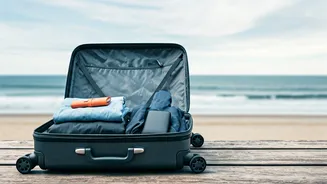
What you pack can make or break a rainy trip. Prioritise lightweight, quick-drying clothes made from synthetic blends or cotton blends, as heavy fabrics like denim stay wet and uncomfortable. [2, 4] A reliable waterproof jacket or poncho is non-negotiable. [2] For footwear, choose non-slip, waterproof sandals or shoes with a good grip to navigate slippery streets; it's wise to pack an extra pair. [17, 22] Don't forget to protect your electronics. Use waterproof bags or zip-lock pouches for your phone, camera, and chargers. [2] A power bank is also essential, as power cuts can be more frequent during heavy rains. [4]
Your Tech Toolkit for Weather Watching
Stay a step ahead of the weather with the right apps. Reliable weather forecasting apps can provide crucial, up-to-date information. Apps like AccuWeather and The Weather Channel are popular choices, offering detailed hourly and daily forecasts. [4, 25] For local alerts in India, the government's MAUSAM app provides observed weather, forecasts, and radar imagery directly from the India Meteorological Department (IMD). [27, 30] Look for features like real-time rain radar, which can show you exactly when and where the showers will hit, allowing you to plan your day's activities more effectively.
Driving Safely When the Roads Are Wet
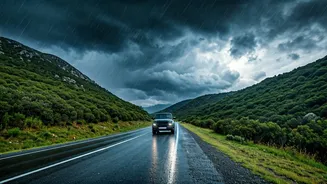
If your holiday involves a road trip, driving in the rain demands extra caution. Reduced visibility and slippery roads increase risks. [3] The most important rule is to reduce your speed and increase the following distance between your vehicle and the one ahead to allow for longer braking distances. [18, 10] Always turn on your low-beam headlights, even during the day, to improve your visibility to other drivers. [3, 12] Before you leave, check that your car's essentials—tyres, brakes, and windscreen wipers—are in top condition. [3, 12] It's also wise to keep your fuel tank topped up, as you're more likely to get stuck in traffic jams during a downpour. [10]
Embrace the Great Indoors
When the rain forces you inside, see it as an opportunity, not a setback. Have a backup plan of indoor activities. [17] This could be the perfect chance to explore local museums, art galleries, or cozy cafes you might have otherwise missed. [5] For families, an indoor scavenger hunt, board games, or even building a pillow fort in the hotel room can turn a washout into a memorable bonding experience. [5, 21] Many destinations also offer hands-on cultural experiences like local cooking classes, which are a perfect rainy-day diversion. [5] Sometimes, the most relaxing part of a vacation is the unplanned downtime spent reading a book or simply watching the rain from your window. [19]
Does Travel Insurance Cover Rain?
Travel insurance can be a financial safety net, but it's important to understand what's covered. Standard trip cancellation insurance may reimburse you for non-refundable costs if you have to cancel your trip *before* it starts for a covered reason, which can include natural disasters or severe weather warnings. [14, 29] However, simply having rain during your holiday is not typically a covered reason for cancellation. [29] Where insurance becomes useful is with trip *delay* or *interruption* coverage. If severe weather causes your flight to be delayed or cancelled, this coverage can help reimburse expenses for things like unexpected overnight accommodation and meals. [26, 28] Always read the policy details carefully to understand the specific triggers and limits for weather-related claims.