


Not All Pickles Are Created Equal
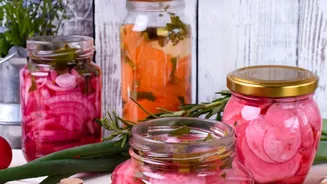
When we talk about the health benefits of pickles, it's crucial to distinguish between two main types: commercially produced vinegar pickles and traditionally fermented ones. The vast majority of pickles available in supermarkets are made using vinegar.
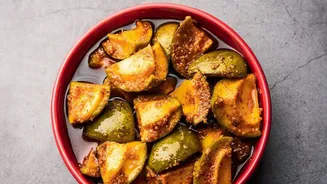
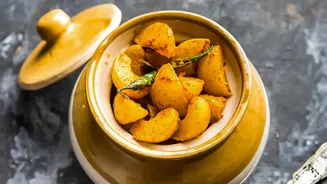
This process, known as quick pickling, uses the acidity of vinegar to preserve the vegetables, giving them a sharp, tangy taste. While delicious, these pickles do not contain live probiotics because the vinegar and often, pasteurisation or heat treatment, kills off beneficial bacteria. Traditional pickles, like the homemade achaar many in India grew up with, are often made through a process called lacto-fermentation. This method uses only salt, spices, and sometimes oil, relying on naturally present bacteria and the sun's warmth to work their magic.
The Science of Sun-Fermentation
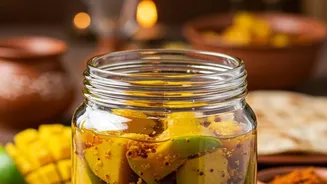
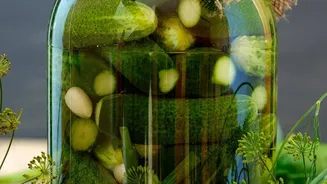
Lacto-fermentation is an ancient preservation technique where vegetables are submerged in a salt brine. This saline environment inhibits the growth of harmful bacteria while allowing beneficial bacteria, primarily from the Lactobacillus genus, to thrive. These microorganisms consume the natural sugars in the vegetables and convert them into lactic acid. It is this lactic acid that acts as a natural preservative, giving fermented pickles their characteristic sour flavour and, more importantly, turning them into a source of probiotics. The process is often helped along by placing the pickle jars in the sun, which provides the gentle warmth needed for these 'good' bacteria to flourish and do their work.
A Boost for Your Gut Microbiome
The live bacteria cultivated during fermentation are known as probiotics. When consumed, these microorganisms can help support a healthy gut microbiome, which is the community of trillions of microbes living in your digestive tract. A balanced gut microbiome is essential for proper digestion, nutrient absorption, and a well-functioning immune system. Studies have shown that consuming fermented foods can increase the overall microbial diversity in the gut. The Lactobacillus strains commonly found in fermented foods are particularly noted for their role in maintaining gut health, helping to create a barrier against harmful pathogens and supporting digestive wellness.
How to Choose the Right Pickle
To reap the probiotic benefits, you need to choose the right kind of pickle. Many commercial Indian pickle brands use oil and salt for preservation rather than vinegar, and if they are not heat-treated, they may retain some beneficial bacteria. However, the most reliable source is often traditionally made homemade achaar. When buying pickles, check the label. Look for terms like 'naturally fermented' and an ingredient list that does not include vinegar. Truly fermented pickles containing live cultures will almost always be sold in the refrigerated section of a store, as the cold temperature is needed to keep the probiotics alive and stable. A cloudy brine can also be a sign of active, live cultures.
Enjoy in Moderation
While traditional pickles are a good source of probiotics, they are also typically high in salt and oil, which are key to their preservation. For this reason, they should be enjoyed as they have been for centuries—as a flavourful condiment in small quantities, not as a main dish. A teaspoon or two with your meal is enough to add a burst of flavour and contribute some beneficial bacteria to your diet. For individuals monitoring their sodium intake for health reasons, it's especially important to be mindful of portion sizes. The goal is to supplement your diet, not overwhelm it with sodium.