


Beyond the Mud: Paw and Coat Health
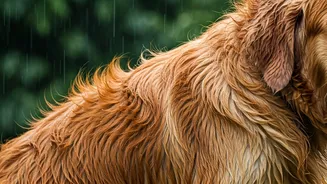
The single most important routine during the monsoon is keeping your pet dry. Constant dampness in their fur and between their paw pads creates a perfect breeding ground for fungal and bacterial infections. This can lead to painful skin conditions like
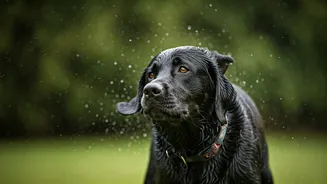
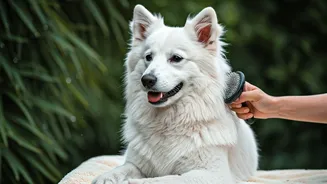
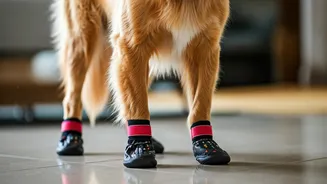
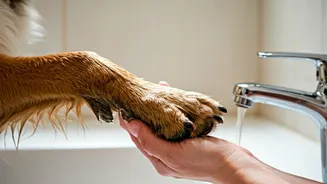
dermatitis, characterised by redness, itching, and hair loss. After every single walk, no matter how short, thoroughly dry your pet’s coat, paying special attention to their paws, armpits, and underbelly. Use a highly absorbent towel or even a hair dryer on a low, cool setting if your pet is comfortable with it. Dirty puddle water can also cause pododermatitis, an inflammation of the paws, so a quick paw wash and dry is non-negotiable.
The Unseen Enemy: Ticks and Fleas
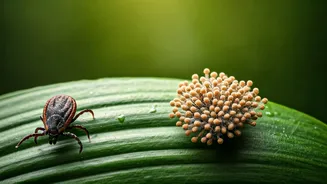
Monsoon humidity is a paradise for parasites. The damp, warm environment accelerates the life cycle of ticks and fleas, meaning infestations are far more common during these months. These pests are not just an itchy nuisance; they are carriers of dangerous diseases. Tick fever, caused by pathogens like Ehrlichia and Babesia, can be life-threatening for dogs. A flea infestation can lead to severe allergic reactions and tapeworms. Do not rely on home remedies. This is the time to be diligent with your vet-prescribed prevention plan, whether it's a spot-on treatment, a medicated collar, or an oral tablet. Perform daily checks by running your fingers through your pet’s fur, especially after they have been outdoors.
Guard Their Gut: Diet and Hydration
A walk in the rain often means your dog will try to drink from a tempting puddle. This is a major health risk. Stagnant water is teeming with bacteria, viruses, and pollutants that can cause severe gastrointestinal issues, including diarrhoea, vomiting, and more serious infections like leptospirosis and giardiasis. Always carry a bottle of fresh water for your pet on walks and ensure they have constant access to a clean water bowl at home. Furthermore, since physical activity is often reduced during the monsoon, your pet may not need as many calories. Monitor their weight and consider a slight reduction in their food portion to prevent unhealthy weight gain. Consulting your vet about adding pet-friendly probiotics to their diet can also help support their digestive health.
Beating the Rainy Day Blues
Fewer and shorter walks can lead to a build-up of unspent energy, resulting in boredom, anxiety, and even destructive behaviour. It’s crucial to keep your pet mentally stimulated. Invest in puzzle feeders, treat-dispensing toys, or scent-work games that encourage them to use their brains. A short indoor training session to practice old commands or learn new tricks is another excellent way to engage them. Even a simple game of hide-and-seek with their favourite toy can provide much-needed enrichment and strengthen your bond, making up for the lack of outdoor adventure.
Know the Warning Signs
Being vigilant is your best defence. Knowing what to look for can help you catch a problem before it becomes serious. Pay close attention to your pet for any changes in behaviour or appearance. Key red flags during the monsoon include: constant scratching, licking, or chewing at a specific spot; redness or rashes on the skin; unusual hair fall or bald patches; lethargy and a sudden drop in energy levels; and any signs of digestive upset like diarrhoea or vomiting. If you spot any of these symptoms, don't wait for them to resolve on their own. An early visit to the vet can make all the difference.