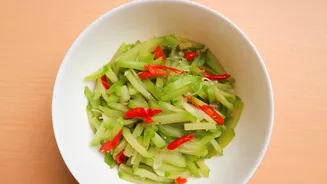




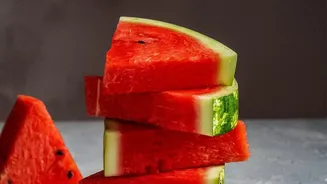
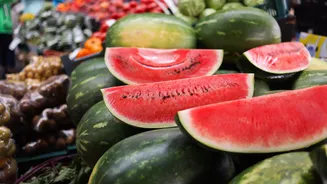
Before you toss that watermelon rind into the compost, consider this: you're throwing away a culinary treasure. With a little kitchen magic involving ginger and vinegar, that often-discarded part can become a deliciously crisp, tangy pickle.
From Kitchen Scrap to Star Ingredient
In today's
world, where reducing food waste is more important than ever, finding creative uses for kitchen scraps is both a smart and satisfying endeavour. Watermelon rind, which accounts for a significant portion of the fruit's weight, is a prime candidate for upcycling. This practice isn't new; pickling watermelon rind is a time-honoured tradition, particularly in the American South, where resourcefulness in the kitchen has deep roots. Historically, it was a way to preserve the bounty of summer and ensure nothing went to waste long before reliable refrigeration was common. By transforming the rind, you're not just making a snack; you're participating in a sustainable practice that stretches your food budget and honours the entire harvest.
The Flavour Profile: Sweet, Sour, and Spicy
What does pickled watermelon rind taste like? The rind itself has a neutral, cucumber-like flavour, making it a perfect canvas for the bold ingredients in the pickling brine. The vinegar provides a sharp, tangy bite, while sugar balances it with a pleasant sweetness. The addition of ginger is what truly elevates this pickle, lending a warm, zesty, and slightly spicy kick that cuts through the sweetness. Many recipes also include other aromatics like star anise, allspice berries, and a pinch of red pepper flakes to create a complex, layered flavour that is simultaneously refreshing and comforting. The final product is a crisp-tender pickle that walks a delicious line between a sweet relish and a tangy condiment.
What You Will Need
Gathering your ingredients is the first step. You will need the rind from about a 2-kilogram watermelon. For the brine, you'll want approximately 2 cups of apple cider vinegar, 1 cup of water, and about 3/4 cup of granulated sugar. For the all-important flavour, prepare around 1/4 cup of minced candied or crystallised ginger, a tablespoon of kosher salt, a teaspoon of red pepper flakes, and a teaspoon of allspice berries. A single star anise pod will add a lovely, subtle liquorice note. The only equipment required is a sharp vegetable peeler, a knife, a medium saucepan, and a large, clean glass jar with a lid for storage.
Step 1: Preparing the Rind
Proper preparation is key to a crisp pickle. First, use a vegetable peeler to remove the tough, dark green outer skin of the watermelon rind and discard it. Next, slice away most of the red fruit, leaving just a thin, 1/4-inch layer of pink on the rind for colour and a hint of extra sweetness. Cut the prepared rind into uniform 1-inch cubes. Some recipes suggest boiling the rind cubes in salted water for a few minutes until just tender, which can result in a slightly less crunchy pickle. For a firmer texture, you can skip this pre-boiling step. Once cubed, you should have roughly 4 to 6 cups of rind ready for pickling.
Step 2: Making the Brine and Pickling
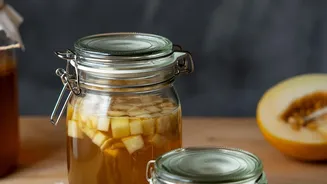
In a medium saucepan, combine the apple cider vinegar, water, sugar, minced ginger, salt, red pepper flakes, allspice berries, and star anise. Bring this mixture to a rolling boil over medium-high heat, stirring until the sugar and salt have completely dissolved. Let it boil for one full minute to allow the flavours to meld. Carefully add the prepared watermelon rind cubes to the boiling brine. Bring the entire mixture back to a boil, then immediately turn off the heat and remove the pan from the stove. Let the rinds cool in the liquid for about 30 minutes. Finally, transfer the rinds and the brine into your large glass jar, seal it, and refrigerate.
Serving and Storing Your Pickles
While you can technically eat the pickles as soon as they are cool, their flavour improves dramatically after resting in the refrigerator for at least 24 hours. These are quick pickles, meaning they are not shelf-stable and must be kept refrigerated. They will stay fresh and delicious for up to a month. These sweet and tangy jewels are incredibly versatile. Serve them on a charcuterie board alongside sharp cheeses and cured meats, chop them into a chicken or potato salad for a surprising crunch, or simply enjoy them straight from the jar as a refreshing snack. They also make a fantastic garnish for grilled meats or a zesty topping for a simple green salad.