


Choose Destinations That Bloom in the Rain
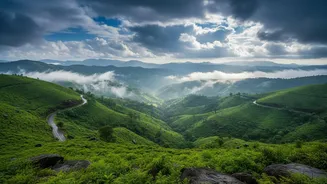
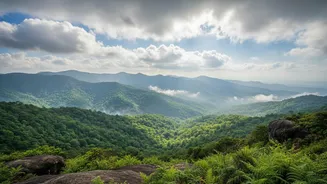
The key to a successful monsoon trip is picking a location that is enhanced, not hindered, by the rain. While some regions are prone to flooding and landslides, others transform into lush, green paradises. Consider destinations in the Western Ghats like
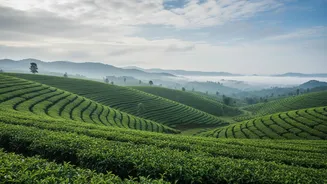
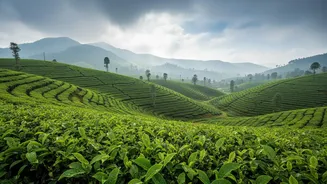
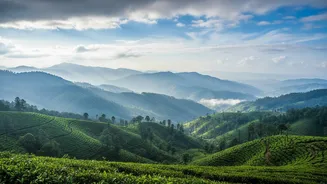
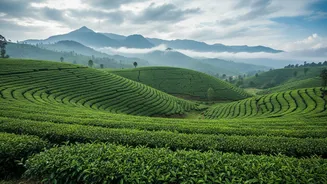
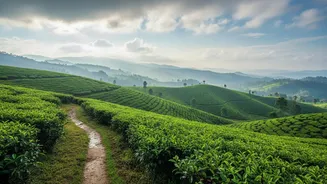
Munnar, Coorg, or Mahabaleshwar, where the mist-covered hills, roaring waterfalls, and vibrant tea and coffee plantations are at their most beautiful. The cooler temperatures also make exploring more pleasant. Places like Udaipur and Jaipur in Rajasthan are also great options, as the rains wash the city clean, fill the lakes, and bring a romantic atmosphere with fewer crowds and lower heat. For those seeking adventure without the heavy downpour, high-altitude desert regions like Leh, Ladakh, and Spiti Valley are ideal as they lie in a rain shadow area and experience minimal rainfall in August.
Know Which Areas to Avoid
While many places thrive, some are best avoided in August. Heavy rainfall can make certain areas unsafe or inaccessible. Regions prone to severe landslides, such as parts of Uttarakhand and Himachal Pradesh, require careful monitoring of weather reports and road conditions. Similarly, low-lying coastal areas and regions with major rivers, like Assam, can experience significant flooding. Many popular trekking routes may be closed, and beach destinations might have dangerous sea currents, making swimming unsafe. Always check for local travel advisories and news reports about your intended destination before and during your travel.
Pack Smart, Not Heavy
Monsoon packing is all about staying dry and comfortable. Opt for lightweight, synthetic fabrics like polyester and nylon that dry quickly; heavy materials like denim and thick cotton will stay damp for days in the high humidity. A reliable, lightweight raincoat or poncho is more practical than an umbrella, which can be useless against strong winds. Waterproof footwear with a good grip is essential for navigating slippery and waterlogged streets—avoid flip-flops which can be dangerous. Protect your electronics, documents, and cash by storing them in waterproof bags, dry pouches, or even simple ziplock bags. It's also wise to pack a quick-dry towel and a basic first-aid kit with mosquito repellent, as the rains bring an increase in insects.
Prioritise Health and Safety
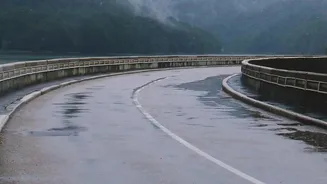
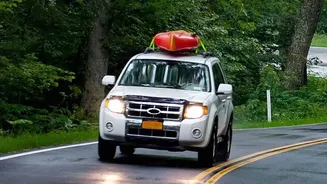
The rainy season can increase the risk of waterborne diseases. To stay healthy, drink only bottled or properly filtered water and avoid street food that may have been exposed to the elements. Stick to freshly prepared hot meals from clean, reliable restaurants. When on the road, be aware that driving conditions can be hazardous. Roads become slippery, potholes can be hidden by water, and visibility can be poor. If you're planning a road trip, ensure your vehicle's tyres, brakes, and wipers are in excellent condition. Drive slowly, maintain a safe distance from other vehicles, and avoid driving through flooded areas where you can't judge the depth.
Book with Flexibility in Mind
The Independence Day weekend is a popular travel period, so booking in advance is recommended. However, the unpredictability of monsoon weather makes flexibility crucial. When booking flights, trains, or hotels, look for options that allow for easy cancellation or rescheduling. Road travel can be affected by blockages or diversions, so have a backup plan or a flexible itinerary that allows for delays. Keep track of weather forecasts and road conditions using reliable apps and government websites. A little bit of planning and a flexible attitude will ensure that even if the weather changes, your holiday spirit remains undampened.