







Why a Dry September Matters
The Southwest Monsoon, which delivers about 75% of India's annual rainfall, typically begins its withdrawal in September. This month is crucial for topping up reservoirs, dams, and groundwater tables that supply our homes and cities throughout the year.
A deficit in rainfall now can have a cascading effect, impacting everything from drinking water availability and hydropower generation to soil moisture needed for winter crops. With predictions of below-normal rainfall, household preparedness moves from a good idea to a necessary action.
Start with a Home Water Audit
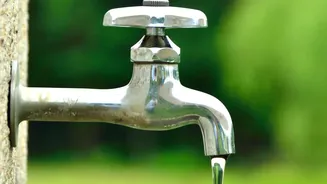
The first step in planning is understanding your consumption. You cannot manage what you do not measure. Begin by checking for leaks, which are a common source of significant water wastage. A dripping tap or a silently leaking toilet cistern can waste thousands of litres a month. To check for hidden leaks, turn off all water appliances and taps, then check your water meter. If it continues to run, you likely have a leak that needs a plumber's attention. Also, take note of your family's daily habits to identify where the most water is being used.
Conservation in the Kitchen and Bathroom
The bathroom and kitchen are the two biggest areas of water consumption in any home. Simple changes in habits can lead to substantial savings. In the bathroom, opt for shorter showers or use a bucket, which provides better control over water usage. Remember to turn off the tap while brushing your teeth or shaving. In the kitchen, don't let water run continuously when washing vegetables; use a pan of water instead, and reuse that water for houseplants. Run washing machines and dishwashers only with full loads to maximise efficiency. If you use an RO water purifier, collect the reject water—it’s perfectly suitable for mopping floors, cleaning, or flushing toilets.
Smart Outdoor and Garden Watering
If you have a garden, lawn, or outdoor plants, adjust your watering schedule to minimise evaporation. Water early in the morning or late in the evening when temperatures are cooler. Spreading a layer of organic mulch around plants helps retain soil moisture, reducing the need for frequent watering. Prioritise watering for plants that need it most and use a broom instead of a hose to clean driveways and sidewalks; this simple switch can save hundreds of litres each time. For larger areas, ensure sprinklers are adjusted to water only your plants, not the pavement or walls.
Long-Term Planning: Rainwater Harvesting
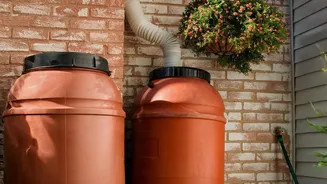
A drier September underscores the importance of capturing every drop when it does rain. Rainwater harvesting is an effective long-term strategy for water security. Even a simple system can make a big difference. The process involves collecting rainwater from your rooftop via gutters and directing it through a filter into a storage tank. This collected water is excellent for non-potable uses like gardening, washing cars, and flushing toilets. In many urban areas, directing this collected water into a recharge pit can also help replenish declining groundwater levels, contributing to community-wide water resilience.