
The Quest for Convenience Without Compromise
Hectic urban schedules and the rise of dual-income households have made time a precious commodity. This has fueled explosive growth in the convenience food market, which is projected to more than double in India by 2029. However, this isn't about settling
for bland, unhealthy options. Today’s consumers are driving a surge in ready-to-cook (RTC) products that offer a middle path. Think preservative-free dosa and idli batters, gourmet curry pastes, and frozen parathas that reduce preparation time without sacrificing the feeling of a home-cooked meal. Brands like ID Fresh Food and ShimlaRed are building trust by delivering fresh, clean-label solutions that cater to consumers who want authentic taste without spending hours in the kitchen. This shift reflects a desire to stay connected to culinary roots while adapting to the realities of a fast-paced life.
Health Takes Centre Stage
The modern Indian consumer is more health-conscious than ever, a trend accelerated by the pandemic. This 'conscious consumption' goes beyond counting calories; it’s about understanding ingredients and their impact on long-term wellbeing. This shift is reshaping traditional foods in several ways. There's a growing demand for organic products, with the market expected to grow at a CAGR of over 19% between 2026 and 2034. Traditional sweets are being reinvented with natural sweeteners like stevia or dates, and even legacy brands like Haldiram's are launching 'Healthy Range' items. Cooking methods are also being updated, with air fryers replacing deep-frying for snacks like samosas, and refined flours being swapped for whole wheat alternatives. This isn't about diet fads, but a fundamental move toward purposeful eating.
The Great Millet Revival
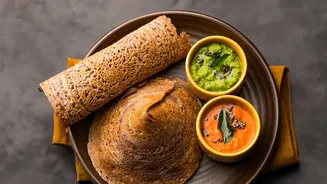
What was once considered a 'poor man's grain' is now being celebrated as a superfood. Millets like ragi, jowar, and bajra, which were sidelined during the Green Revolution's focus on wheat and rice, are making a major comeback. This revival is driven by their impressive nutritional profile—they are gluten-free, have a low glycemic index, and are rich in calcium and iron. Startups like Slurrp Farm are popularizing millets for children with products like millet pancakes and dosa mixes. Consumers are incorporating these ancient grains into everyday meals, from ragi rotis and jowar bhakri to millet-based breakfast cereals and snacks. This movement represents a return to ancestral wisdom, reframed for modern health goals and supported by government initiatives like the 'International Year of Millets.'
Social Media and the Global Palate
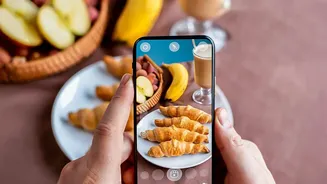
Social media platforms like Instagram and YouTube have become powerful forces in shaping food culture. Food bloggers and influencers are not only making Indian food visually irresistible but also educating a global audience about regional diversity and traditional techniques. This digital exposure has had two major effects. First, it has helped revive interest in forgotten regional dishes, encouraging a new generation to explore the depth of India's culinary heritage beyond mainstream curries. Second, it has accelerated the trend of fusion food, with creations like masala tacos and chai tiramisu gaining viral popularity. While some experiments are playful, they reflect a generation of consumers with global palates who enjoy seeing their local flavours in new, exciting contexts.