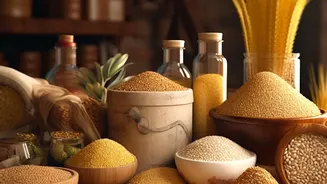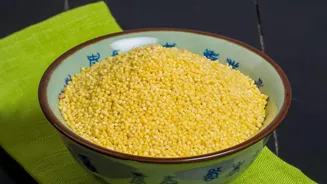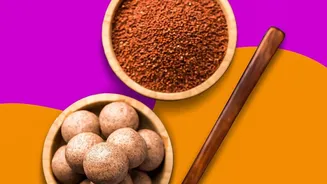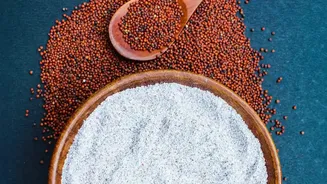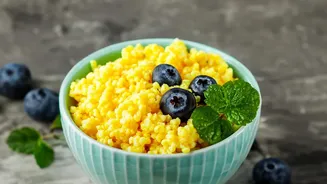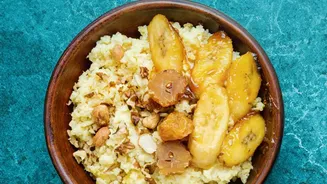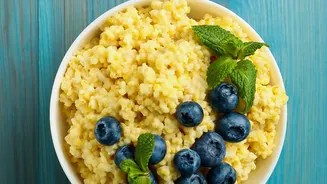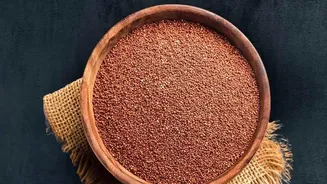




There’s a quiet revolution happening in pantries across urban India. Ancient grains that were once relegated to the back of the shelf are now taking centre stage. Millets, for so long considered a niche 'diet food', are making a remarkable comeback.
The Perfect Recipe for a Comeback
Not
long ago, millets like jowar, bajra, and ragi were seen as forgotten foods, overshadowed by the post-Green Revolution dominance of wheat and rice. So, what changed? The resurgence isn't accidental; it’s a convergence of powerful trends. A growing, post-pandemic focus on health and immunity has urban consumers actively seeking nutritious alternatives. This, combined with the Indian government's promotional push, including the 'International Year of Millets' in 2023, created a perfect storm of awareness and curiosity. Suddenly, what was old is new again, and 'Shree Anna' (a term for millets) is finding its way into the modern Indian vocabulary.
A Nutritional Powerhouse Rediscovered
The primary driver behind this shift is health. Millets are nutritional champions, outperforming polished rice and refined flour on several fronts. They are naturally gluten-free, making them a boon for those with sensitivities. Rich in dietary fibre, they aid digestion and promote a feeling of fullness, which can help with weight management. Many varieties, like ragi (finger millet), are packed with calcium, while others like bajra (pearl millet) are excellent sources of iron. Furthermore, their low glycemic index helps in managing blood sugar levels, a critical benefit given the rising concerns around diabetes in India.
From Porridge to Pizza and Pasta
Perhaps the biggest change is in the kitchen itself. Millets have shaken off their reputation for being coarse or uninspiring. Creative home cooks and innovative food brands are transforming how these grains are consumed. Ragi is no longer just for porridge; it's being used in dosa batters, cookies, and noodles. Jowar flour is finding its way into bhakris and even gluten-free bread, while foxtail millet is being used as a healthy substitute for rice in biryanis and pulaos. This culinary revival showcases the versatility of millets, proving they can be adapted to both traditional recipes and modern dishes like pasta and snacks, making them appealing to a much wider audience.
Good for You, and for the Planet
The appeal of millets extends beyond personal health to planetary wellbeing. These grains are climateresilient 'super crops'. They are hardy and can grow in arid conditions with minimal water, a stark contrast to waterintensive crops like rice and wheat. This makes them an environmentally sustainable choice and a more secure crop for farmers in droughtprone regions. For the ecoconscious urban consumer, choosing millets is a way to make a dietary choice that supports both their health and a more sustainable agricultural system in India.
The Market Responds to Demand
Sensing this shift, the market has been quick to respond. Supermarket shelves and ecommerce platforms are now brimming with milletbased products. Brands like Slurrp Farm, True Elements, and Millet Amma offer everything from readytocook dosa and idli mixes to millet flakes for breakfast, pastas, and cookies. This explosion in convenient, readytouse products has been crucial in driving adoption. It has made it easier than ever for busy urban families to incorporate these nutritious grains into their diets without a steep learning curve or a complete overhaul of their cooking habits.