

The Post-Walk Paw Protocol
A dog's paws are their primary point of contact with wet, and often contaminated, surfaces during the monsoon. Stagnant water in puddles can be a breeding ground for bacteria and parasites. This makes a consistent post-walk cleaning routine non-negotiable.
After every walk, thoroughly clean your pet’s paws with lukewarm water and a mild, pet-safe cleanser. It’s crucial to pay special attention to the spaces between their toes, as this is where moisture and mud love to hide, often leading to fungal infections. Once cleaned, pat each paw completely dry with a dedicated microfibre towel. Some veterinarians also suggest trimming the fur between the paw pads to prevent debris and moisture from getting trapped.
Coat Care in High Humidity
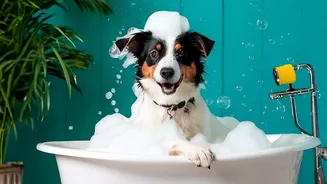
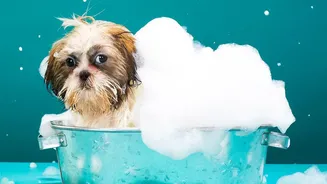
A damp coat is a welcome mat for fungal and bacterial skin infections, which are rampant during the rainy season due to high humidity. The most important rule is to ensure your pet is always thoroughly dry. After any exposure to rain, use an absorbent towel or a pet-friendly hair dryer on a low, cool setting to dry their fur completely, paying close attention to the underbelly, armpits, and any skin folds. While it might seem intuitive to bathe your pet more often, experts advise against it. Over-bathing can strip the skin of its natural oils, making it more vulnerable. Instead, stick to a schedule of one bath every two to three weeks, potentially using a vet-recommended medicated or antifungal shampoo. Daily brushing is also essential to remove dirt, prevent matting, and improve air circulation to the skin.
Winning the War on Parasites
The warm, humid conditions of the monsoon are peak season for ticks, fleas, and other parasites. These pests are not just a nuisance; they can transmit serious illnesses. It’s vital to be proactive with prevention. Consult your veterinarian about the most suitable parasite prevention plan for your pet, which may include monthly spot-on treatments, oral medications, or anti-tick collars. After every walk, conduct a thorough check of your pet’s coat, especially in common hiding spots like inside the ears, under the tail, in the groin area, and between the toes.
Keeping Indoor Spaces Clean and Dry
The hygiene battle continues indoors. A damp home environment can contribute to health issues. Focus on keeping your pet's living space as clean and dry as possible. Bedding is a common culprit for moisture and fungal growth, so wash and dry your pet’s bed at least once a week. Ensure their sleeping area is not on a cold, damp floor. Placing an absorbent mat at the entrance of your home can help trap mud and water right at the door. Regularly disinfecting your pet’s toys and food bowls is also a good practice to prevent the spread of germs.
Diet and Hydration for Immunity
A strong immune system is your pet’s best defense against seasonal illnesses. A balanced diet is fundamental to maintaining their health. Some experts recommend consulting a vet about incorporating immunity-boosting supplements or omega-3 and omega-6 fatty acids to support skin health. Access to clean drinking water is also critical. Contaminated water is a major source of gastrointestinal issues, so always provide filtered or boiled water and never let your pet drink from puddles. Be mindful of food spoilage, as wet and home-cooked food can go bad quickly in humid weather.