



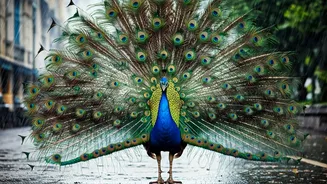


A Splash of Azure Against the Grey
For Mumbaikars, the first rains of the monsoon are an event. They cut through the dense humidity, wash the streets, and bring a much-needed change in temperature. This year, they also brought out some of the city's most spectacular, if reclusive, residents.
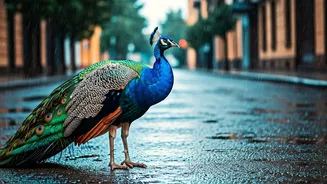
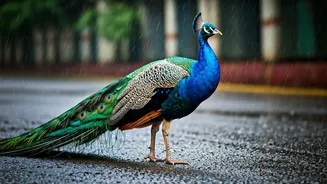
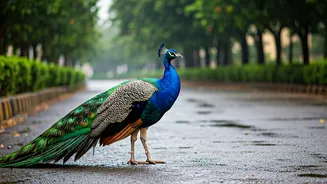
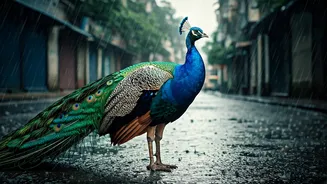
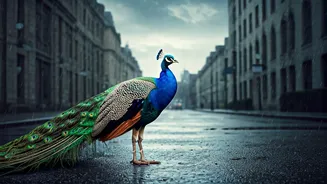
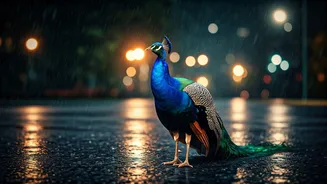
In late June, social media was flooded with videos and images of peacocks strolling down the busy artery of Pedder Road in South Mumbai, seemingly unfazed by the traffic. One was even captured perched on a balcony railing, its vibrant plumage a stark, beautiful contrast to the urban skyline. For residents accustomed to the daily hustle, the sight of India's national bird taking a casual walk through one of the city's busiest areas was a delightful surprise, a rare intersection of wildlife and metropolis that made people stop, watch, and share their amazement.
The Science Behind the Spectacle
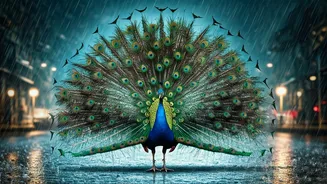
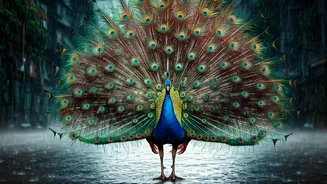
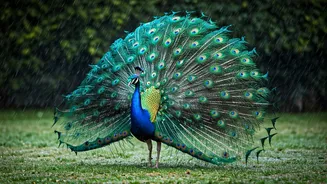
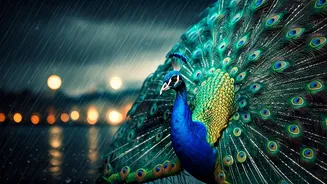
The long-held romantic belief is that peacocks dance to celebrate the arrival of rain. The truth, however, is more biological, though no less fascinating. The monsoon season directly coincides with the breeding season for Indian peafowl, which typically runs from April to September. The iconic 'dance'—the fanning of the male's elaborate tail feathers—is a courtship display designed to attract a female, or peahen. The overcast skies and cooler weather of the monsoon provide the perfect conditions for this elaborate ritual. The loud calls often associated with the birds at this time are also part of this effort to find a mate. So while it may look like a joyous rain dance, it’s actually nature’s grand spectacle of courtship, timed perfectly with the season of renewal.
Where to Find Mumbai's Urban Peafowl
While the recent sightings on Pedder Road were unusual for their public setting, Mumbai has long been home to a significant peafowl population. These birds typically reside in the city's precious green enclaves. Experts and locals suggest the birds seen recently likely wandered down from the wooded areas of Malabar Hill and Doongerwadi, also known as the Tower of Silence, which are known habitats. Other key locations for spotting these birds include the sprawling grounds of Raj Bhavan, the Governor's official residence, which even has a dedicated peacock restoration zone. The campus of IIT Bombay, the forested expanses of Sanjay Gandhi National Park, and the area around Film City are other pockets where these magnificent birds thrive away from the city's core.
A Complicated Urban Coexistence
The presence of peacocks in a megacity like Mumbai is a testament to their adaptability, but their survival isn't without challenges. As a species listed under 'Least Concern' by the IUCN and protected under Schedule I of the Wildlife (Protection) Act, 1972, the Indian peafowl is not currently endangered. However, urbanisation brings threats. Habitat loss is a primary concern, as green spaces shrink. In some areas, the birds' survival is precarious. For instance, at Raj Bhavan, a rising mongoose population, ironically introduced decades ago to control snakes, began threatening the peacocks by preying on their eggs and chicks, leading to a noticeable decline in their numbers around 2015. This prompted conservation efforts, including the creation of protected nesting areas and feeders to help restore the population. These efforts highlight the delicate balance required for urban wildlife to coexist with city life.
A Symbol of Joy and Heritage
The peacock holds a deep cultural and mythological significance in India. As the national bird since 1963, it is a symbol of grace, beauty, and pride. In Hindu mythology, the peacock is associated with several deities; it is the vehicle of Kartikeya, the god of war, and its feathers adorn the crown of Lord Krishna. Its presence is often linked to prosperity, divinity, and joy. The belief that a peacock sighting brings good fortune is widespread. For Mumbaikars, enduring the disruptions that often come with the monsoon—waterlogging, traffic snarls—the sudden, elegant appearance of a peacock offers a moment of pure, unadulterated delight. It serves as a living connection to nature and heritage, a reminder that even in the most built-up environments, beauty and wildness persist.