




1. Stay Physically Active
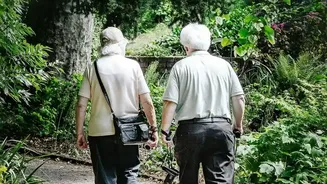
Regular physical activity is one of the most powerful tools for healthy ageing. It helps maintain muscle strength, improves balance and coordination, supports heart health, and reduces the risk of falls. You don't need to spend hours in a gym; activities
like brisk walking, swimming, gardening, or even dancing count. The goal is consistency. Aim for at least 150 minutes of moderate-intensity activity per week to preserve mobility and independence.
2. Eat a Nutrient-Rich Diet
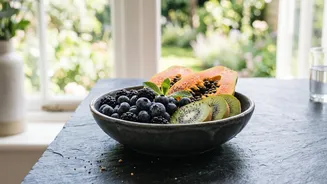
As we get older, our caloric needs may decrease, but our need for nutrients remains high. A balanced diet plays a major role in preventing chronic diseases. Focus on eating a 'rainbow' of fruits and vegetables, lean proteins, whole grains, and healthy fats. This approach ensures you get a wide range of vitamins and antioxidants. Limiting processed foods, sugary drinks, and unhealthy fats is just as important as eating well.
3. Keep Your Brain Active
Just like your body, your brain needs exercise to stay sharp. Engaging in mentally stimulating activities may help maintain cognitive functions like memory and problem-solving skills. Consider reading, learning a new skill or language, doing puzzles, or playing strategy games. Staying curious and embracing lifelong learning can keep your mind agile and engaged.
4. Prioritise Quality Sleep
Sleep is not a luxury; it's essential for physical and mental health. As we age, sleep patterns can change, but adults should still aim for 7-8 hours of quality sleep per night. Good sleep helps reduce stress, improves concentration, and lowers the risk for several chronic conditions. Creating a relaxing bedtime routine and ensuring your bedroom is dark and quiet can significantly improve sleep quality.
5. Stay Socially Connected
Strong social ties are fundamental to emotional well-being and have been linked to a longer, healthier life. Loneliness and social isolation can pose health risks comparable to smoking or obesity. Make an effort to stay connected with family and friends. Joining clubs, volunteering, or taking classes are excellent ways to meet new people and remain part of a community.
6. Manage Your Mental Health
An optimistic outlook and effective stress management contribute significantly to healthy ageing. Chronic stress can negatively impact memory and increase the risk of depression. Find healthy ways to cope with stress, such as exercise, meditation, spending time in nature, or engaging in hobbies you enjoy. Seeking professional help when needed is a sign of strength.
7. Be Proactive with Healthcare
Regular health check-ups and preventive screenings are crucial for catching potential problems early. Keep up with appointments for vision, hearing, and dental care, as these are vital for your overall quality of life and safety. It's also important to understand your family's health history and discuss it with your doctor to manage any genetic risks proactively.
8. Review Medications Regularly
As people age, they are often on multiple medications. It is essential to have a regular review of all your medicines, including over-the-counter drugs and supplements, with your doctor or pharmacist. This helps prevent harmful drug interactions, ensures you are on the correct dosages, and confirms that each medication is still necessary.
9. Focus on Strength and Balance
While cardiovascular exercise is important, strength and balance training become increasingly critical with age. Combating age-related muscle loss helps you perform daily activities like climbing stairs and carrying groceries, maintaining your independence. Balance exercises are key to preventing falls, which can lead to serious injuries in older adults.
10. Maintain a Sense of Purpose
Having a reason to get up in the morning contributes to a longer, more fulfilling life. This could come from your work, volunteering, hobbies, or relationships with family and friends. Engaging in activities that you find meaningful and joyful helps maintain your cognitive function and overall well-being. It's about finding what brings you joy and pursuing it.