




Understanding the Two Opponents
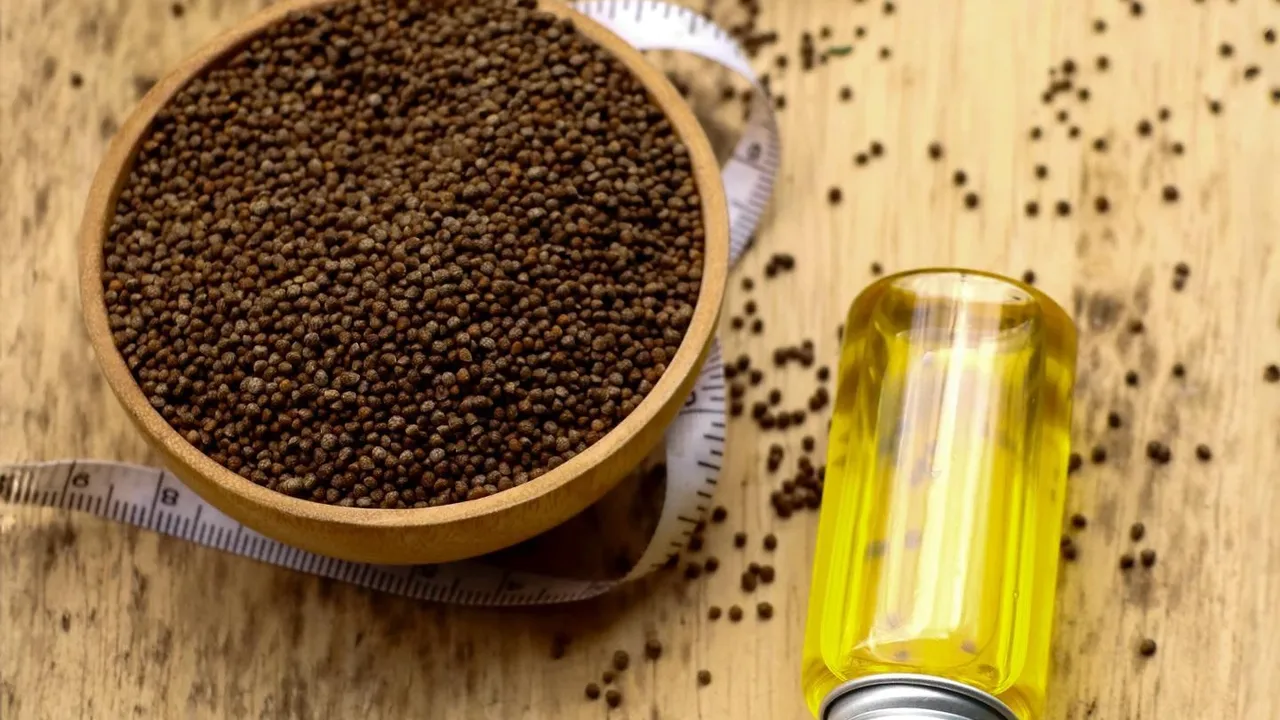
First, let's understand the key difference. Cold-pressed oils, often called 'kachi ghani', are extracted by mechanically crushing seeds or nuts at a low temperature without using chemicals. This gentle process helps the oil retain its natural flavour,
aroma, and a higher concentration of nutrients like antioxidants and vitamins. Think of it as the most natural form of the oil. Refined oils, on the other hand, go through a multi-step industrial process. This includes high-heat extraction, often with solvents, followed by cleaning, bleaching, and deodorising. These steps remove impurities, neutralise the flavour and smell, and create a product with a much longer shelf life and a consistent quality. While this processing strips away some of the natural nutrients found in cold-pressed versions, it fundamentally changes how the oil behaves under heat.
The Science of Sizzle: What Is Smoke Point?
The most important factor when choosing a frying oil is its 'smoke point'. This is the temperature at which an oil starts to break down and produce a visible smoke. Heating oil past this point does more than just create an unpleasant taste; it triggers a chemical reaction that can generate harmful compounds, including free radicals. A good rule of thumb is that the more refined an oil is, the higher its smoke point will be. This is because the refining process removes free fatty acids and other impurities that would otherwise begin to burn at lower temperatures. Cold-pressed oils, being less processed, contain more of these natural particles and therefore tend to have lower smoke points.
The High-Heat Showdown
When it comes to deep frying, which requires temperatures between 180°C and 200°C, a high smoke point is non-negotiable. Here’s how the two types generally stack up: refined oils are the clear winners for high-temperature cooking. For instance, refined groundnut oil has a smoke point of around 232°C, while its cold-pressed counterpart starts smoking at just 160°C. Similarly, refined sunflower oil can withstand heat up to 227°C, but cold-pressed sunflower oil has a very low smoke point of about 107°C, making it completely unsuitable for frying. Using a cold-pressed oil with a low smoke point for deep frying causes it to break down, leading to the formation of potentially harmful compounds like aldehydes and trans fats long before your food is cooked.
The Verdict for Your Kadhai
For high-temperature deep frying, refined oils are the safer and more stable choice. Their high smoke points ensure that the oil remains stable, preventing the formation of harmful substances and ensuring your food cooks properly without a burnt, bitter taste. Excellent choices for deep frying in Indian kitchens include refined sunflower oil, refined groundnut (peanut) oil, and rice bran oil. These oils are readily available, have neutral flavours that won't overpower your spices, and are designed to handle the intense heat required for that perfect, crispy finish. Even ghee and refined coconut oil are good options due to their high smoke points.
When Should You Choose Cold-Pressed?
This doesn't mean you should clear your pantry of cold-pressed oils. Their rich nutritional profiles and robust flavours make them superior for other applications. Cold-pressed oils shine when used for raw preparations, such as salad dressings and dips, or for drizzling over finished dishes like dal and sabzi to add a burst of flavour and nutrients. They are also excellent for low to medium-heat cooking, such as light sautéing. For example, cold-pressed mustard oil is great for a tadka on a medium flame, and cold-pressed olive oil is perfect for dressings, but neither should be used for deep frying. The key is to match the oil to the cooking method.