



The Principle of Purity
At the heart of vrat cooking is the concept of a 'sattvic' diet. In Ayurveda, foods are classified into three categories: sattvic (pure and calming), rajasic (stimulating), and tamasic (dulling and heavy). Fasting is a spiritual practice intended to purify
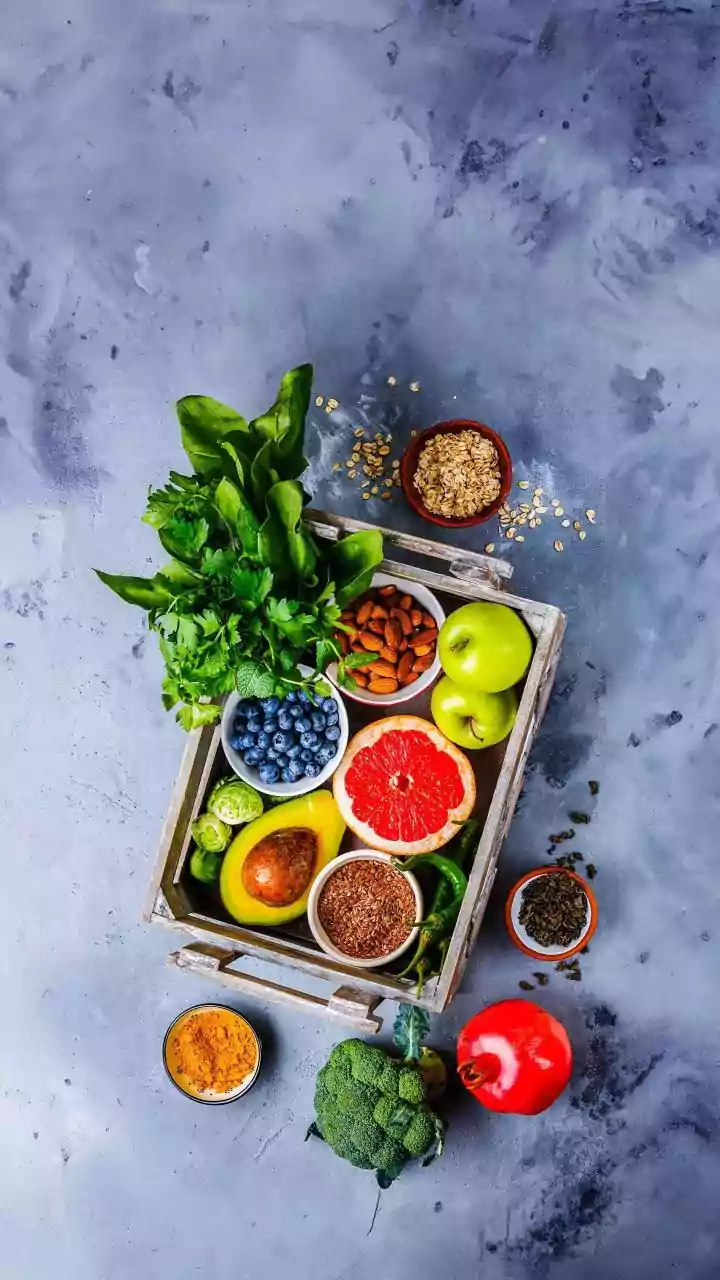
the mind and body, making it easier to connect with the divine. Sattvic foods are believed to promote clarity, calmness, and spiritual awareness. Ingredients like onions and garlic are considered rajasic or tamasic, believed to distract the mind and are therefore avoided. The focus shifts to fresh fruits, dairy, and specific flours that are considered pure and spiritually clean.
Ayurveda and Digestive Rest
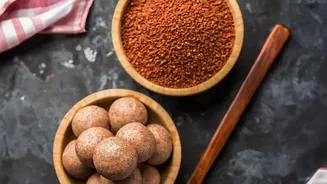
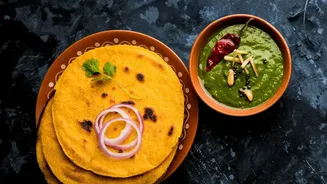
Navratri and other fasting periods often occur during seasonal transitions when immunity can be lower. Ayurvedic principles suggest that fasting gives the digestive system a much-needed break. The traditional foods allowed during a vrat are typically light and easy to digest. Grains like wheat and rice are avoided because they can be heavy on the system. Instead, alternatives like kuttu ka atta (buckwheat flour), singhare ka atta (water chestnut flour), and samak ke chawal (barnyard millet) are used. These pseudo-grains are not only lighter but are often gluten-free, providing energy without overloading the gut. This digestive reset is believed to help cleanse the body of toxins, known as 'ama' in Ayurveda.
The Role of Key Ingredients
Certain foods have become synonymous with fasting for specific reasons. Sabudana (tapioca pearls), a staple in dishes like khichdi and vada, is a pure starch that provides a quick and easily digestible source of carbohydrates and energy. Potatoes and sweet potatoes offer similar benefits, delivering slow-release energy that sustains you through the day. Another crucial element is the switch from regular table salt to sendha namak (rock salt). Sendha namak is the purest, most unprocessed form of salt. It is considered sattvic and, from a health perspective, it helps maintain the body's electrolyte balance, which is vital during a fast.
Energy and Sustenance
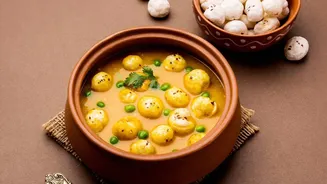
While the goal is to eat light, fasting doesn't mean depriving the body of necessary fuel. Vrat menus are intelligently designed to provide sustained energy. Ingredients like makhana (fox nuts), nuts such as almonds and peanuts, and dairy products like paneer and yogurt are packed with protein and healthy fats. These foods help manage hunger and prevent the energy crashes associated with simple sugars. The combination of quick-energy carbs from sabudana and potatoes, along with the sustained power from nuts and dairy, creates a balanced meal that supports both spiritual discipline and physical endurance.
Historical and Seasonal Context
The traditional list of 'faraal' or fasting foods also has roots in what was historically and seasonally available. Many of the permitted foods are either native to the subcontinent or are hardy crops that grow well in varied conditions, like millets and amaranth (rajgira). These ingredients were accessible and provided reliable nutrition. For example, root vegetables like potatoes and sweet potatoes store well, making them available even when other produce might be scarce. This practical foundation, built over centuries, has become codified into the religious and cultural traditions we follow today, creating a shared culinary language that connects communities during auspicious times.