




Your Secret Weapon for Flavour
The key to a great low-sugar drink is building flavour without relying on sweet syrups or sugary juices. This is where tea excels. Tea introduces layers of flavour, aroma, and complexity that can balance spirits and create a more sophisticated drink.
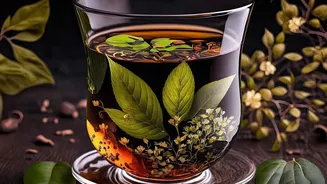
The tannins in black tea, for example, provide a pleasant astringency and structure, much like you'd find in wine or aged spirits. This allows you to craft a cocktail that feels full-bodied and complete, even with minimal sweetness. By using a strongly brewed tea as a base, you can reduce or even eliminate the need for traditional sugary mixers, all while adding natural antioxidants to your creation.
Know Your Brew: Assam vs. Nilgiri
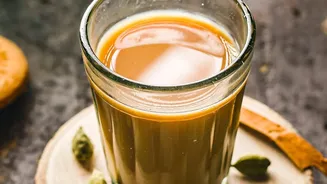
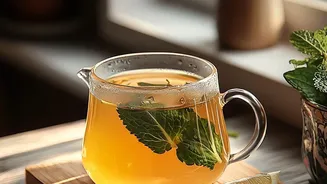
Understanding the distinct personalities of Assam and Nilgiri teas is crucial for successful pairings. Assam tea, grown in the low-lying plains of Northeast India, is known for its bold, rich, and malty flavour profile. Its robust character, often with hints of caramel or baked bread, stands up beautifully to dark spirits like whiskey and aged rum. Think of it as the perfect foundation for a heartier, more spirit-forward drink. In contrast, Nilgiri tea comes from the high-altitude 'Blue Mountains' of Southern India. It is celebrated for being fragrant, floral, and brisk, with a clean finish and very little bitterness. Its light-bodied and often fruity or citrusy notes make it an excellent partner for lighter spirits like gin, vodka, and white rum. Because it rarely clouds when chilled, Nilgiri tea is also an exceptional choice for iced drinks and highballs.
The Core Technique: The Tea Infusion
The most versatile way to incorporate tea is by creating a cooled, concentrated brew. This is far more effective than simply adding a splash of hot tea to a drink. To start, use a higher ratio of tea leaves to water than you would for a regular cup—about double the amount is a good rule of thumb. Brew a strong concentrate, let it cool completely, and then it's ready to be used as a primary ingredient in your cocktail shaker. For an Assam brew, you might steep for 5 minutes to extract its deep, malty notes. For a more delicate Nilgiri, a 3-4 minute steep is often sufficient. A more advanced technique is to infuse the tea leaves directly into the spirit itself. Simply add loose-leaf tea to a bottle of gin or vodka, let it sit for as little as 30 minutes (tasting as you go), and then strain. This method directly imparts the tea's character into your base alcohol.
Recipe Idea: Robust Assam Old Fashioned
This twist on a classic showcases Assam's strength. Instead of a sugar cube, use a small amount of maple or hazelnut syrup and let a chilled, concentrated Assam tea do the heavy lifting. In a glass, combine 60ml of your favourite bourbon or rye whiskey with 30ml of strongly brewed, cooled Assam tea and a teaspoon of syrup. Add a dash of bitters, stir with a large ice cube, and garnish with an orange peel. The malty, slightly earthy notes of the Assam tea will complement the vanilla and spice notes of the whiskey, creating a complex and satisfying low-sugar sipper. Some recipes even use a frozen cube of sweetened Assam tea, which slowly melts and evolves the flavour of the drink.
Recipe Idea: Fragrant Nilgiri Gin Highball
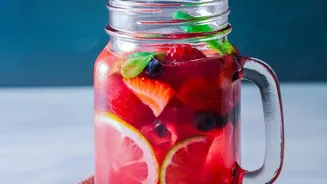
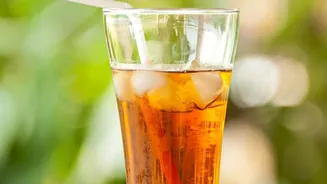
For something lighter and more refreshing, a Nilgiri highball is perfect. The tea's aromatic qualities pair beautifully with the botanicals in gin. In a tall glass filled with ice, combine 50ml of London dry gin and 100ml of chilled Nilgiri tea. Top with a splash of soda water or tonic and add a squeeze of fresh lemon or orange to brighten the flavours. The Nilgiri tea enriches the drink, providing more character than soda water alone, while its clean profile ensures the gin still shines. For a simple non-alcoholic version, you can cold brew Nilgiri tea with fresh fruit slices, like Nagpur oranges, for a naturally sweet and aromatic refreshment.