


A Catastrophe in Minutes
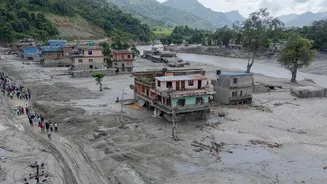
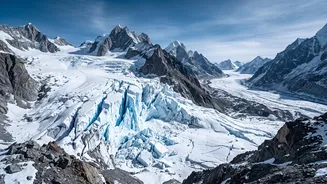
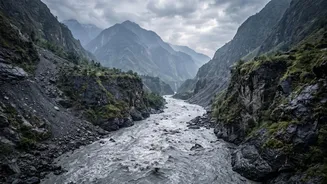
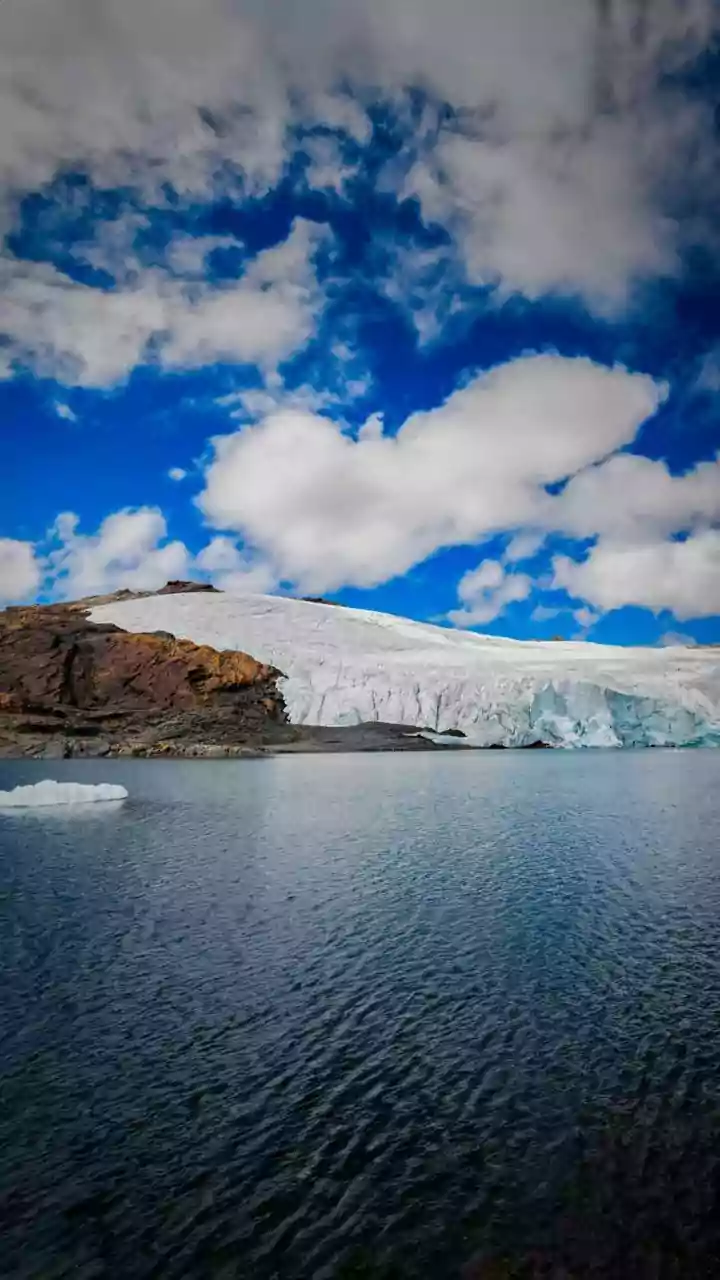
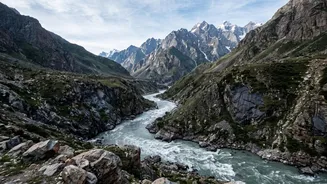
On the morning of August 26, a massive glacier collapse high on the Nepal-Tibet border sent a torrent of ice, rock, and mud down the Bhote Koshi river system. The resulting flash flood, equivalent in energy to a magnitude 5.2 earthquake, tore through
Nepal's Rasuwa, Nuwakot, and Dhading districts with terrifying speed. Entire settlements like Timure and the popular trekking gateway of Syabrubesi were devastated, with roads, bridges, and hydropower plants swept away. The disaster trapped thousands, including locals, workers, pilgrims, and international trekkers. As of August 30, the death toll across Nepal and China had tragically risen to nearly 800, with thousands more still missing as rescue efforts were hampered by treacherous conditions and the risk of further flooding. Among the missing were over 100 pilgrims from India, a devastating loss that brings the tragedy close to home.
More Than Just a Freak Accident
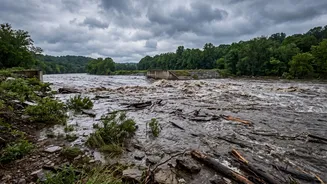
While the scale of this disaster is shocking, the event itself is not an anomaly in the Himalayas. The region is inherently volatile, a reality that every adventurer must respect. This specific flood was triggered by a glacier collapse, an event scientists link to the destabilising effects of climate change. But the dangers are manifold. The monsoon season, from June to September, regularly brings landslides and floods. Beyond weather, high altitude itself poses significant risks, including Altitude Mountain Sickness (AMS), which can be fatal if ignored. The terrain is rugged and unforgiving, and access to medical help can be days away. The recent disaster exposed vulnerabilities in early warning systems, as monitoring stations were swept away before they could send alerts, leaving communities with no time to react. This highlights a critical lesson: in the mountains, you are your own first line of defence.
Your Checklist for Survival
Understanding the risks is the first step; preparing for them is the second. For anyone planning a Himalayan trek, whether in Nepal or the Indian ranges of Uttarakhand and Himachal Pradesh, a comprehensive approach to safety is non-negotiable. This begins with physical conditioning. High-altitude trekking requires cardiovascular endurance, strength, and stamina that cannot be faked. Weeks, if not months, of dedicated training are essential. Equally important is mental preparation—the ability to stay calm under pressure and make rational decisions when exhausted or frightened. Your gear is your lifeline. This means investing in proper waterproof layers, insulated jackets, broken-in trekking boots, a first-aid kit, and emergency supplies. Do not cut corners on equipment.
Choosing Your Guide Wisely
Perhaps the most crucial decision a trekker makes is their choice of guide and trekking agency. A reputable operator will not be the cheapest. They will have certified, experienced guides who are trained in first aid and crisis management. They will prioritize safety over summit fever, conduct pre-trek briefings, check your gear, and have clear emergency protocols, including evacuation plans. Before booking, research the company thoroughly. Read reviews, ask about their safety record, and inquire about their guide-to-client ratio. A good guide knows the terrain, understands weather patterns, can spot the early signs of altitude sickness, and is empowered to make the tough call to turn back if conditions become unsafe. In a crisis, this expertise is worth more than any view.
The Smartest Skill: Knowing When to Stop
Finally, the ultimate responsibility for safety lies with the individual trekker. This means cultivating an attitude of profound respect for the mountains. It involves acclimatizing properly by ascending slowly and building in rest days. It means listening to your body; a persistent headache, nausea, or dizziness are not signs of weakness to be pushed through, but urgent warnings to stop, rest, or descend. It also means listening to your guide and the local authorities. The mountains don't care about your schedule or your bucket list. The bravest and most experienced mountaineers are often the ones who have turned back the most. Reaching the summit is optional; returning home safely is mandatory.