




A South Indian Tradition of Wellness
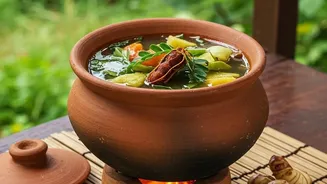
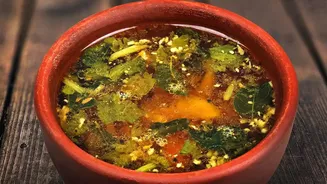
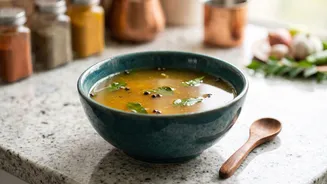
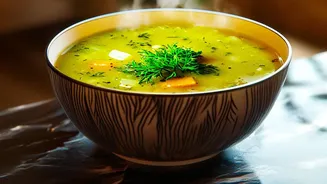
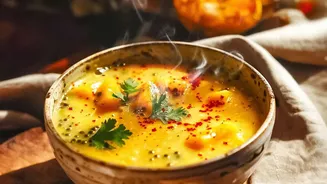
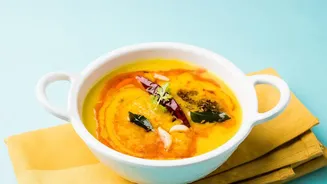
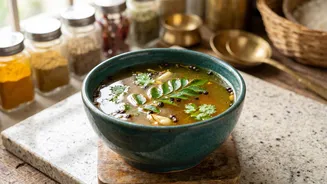
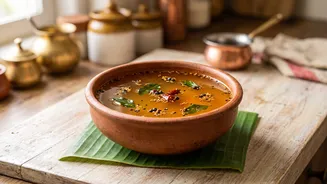
Pepper rasam is a thin, spicy, and tangy broth that holds a special place in South Indian cuisine. While it is a staple in everyday meals, its role becomes even more prominent when someone is feeling unwell. Traditionally considered 'pathiya samayal',
or food for recovery, it is prized for being light, easy to digest, and packed with ingredients believed to aid healing. Unlike heavier curries, rasam provides hydration and nourishment without taxing a weakened digestive system, making it the perfect first meal when recovering from an illness.
The Power of Pungent Pepper
The star of this dish is black pepper, the 'king of spices'. Its potency comes from a compound called piperine, which has well-documented antioxidant and anti-inflammatory properties. Traditionally, pepper is used in remedies for respiratory ailments because it acts as a natural expectorant, helping to loosen and clear mucus from the airways. The warming nature of pepper is believed to soothe a sore throat, ease coughing, and provide immense comfort during a cold or flu. This makes every spoonful feel like it’s actively working to clear congestion and bring relief.
A Symphony of Healing Spices
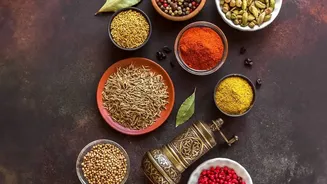
While pepper leads the charge, it is supported by a chorus of other powerful ingredients. Garlic, a common addition, is renowned for its immune-boosting properties that help the body fight off infections. Cumin and coriander seeds are known to aid digestion, which can be sluggish during sickness. The tangy base is provided by tamarind, which is not only rich in antioxidants but also helps stimulate a poor appetite. Many recipes also include a pinch of turmeric, whose active compound, curcumin, is a potent anti-inflammatory. Together, these spices create a synergy that transforms a simple broth into a potent wellness elixir.
The Perfect Comfort Meal with Rice
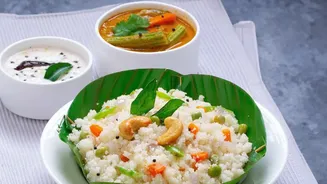
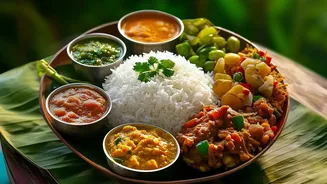
The headline is right: pepper rasam is best served with rice. This combination is not just for taste; it is rooted in practical wisdom. When you are ill, your body needs energy, but your appetite is often low. Hot, steamed rice is easily digestible and provides the necessary carbohydrates for fuel. Pouring the hot, fluid rasam over the rice makes it even easier to eat, while ensuring you stay hydrated. This simple meal is gentle on the stomach, deeply nourishing, and provides the kind of profound comfort that only a traditional home-cooked meal can offer. It is the ultimate recovery food, balancing flavour, nutrition, and comfort.
Bringing This Soothing Ritual Home
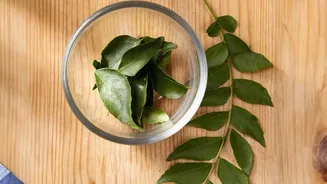
Making pepper rasam at home is a simple and rewarding process. It typically begins with dry roasting black peppercorns and cumin seeds, which are then ground into a coarse powder. This fragrant spice mix is the heart of the rasam. In a pot, a thin tamarind extract is brought to a boil, and the ground powder is added along with crushed garlic, curry leaves, and a pinch of turmeric. The mixture is simmered gently, allowing the flavours to meld, but never boiled vigorously, as this can diminish the aroma. The final touch is a tempering, or 'tadka', of mustard seeds and asafoetida in ghee or oil, which is poured over the hot rasam. The result is a beautifully aromatic broth that is ready to be ladled over rice or sipped on its own.