




A Tapestry of Cultural Significance
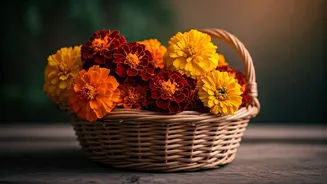
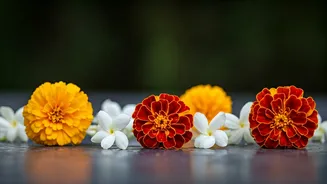
Before it was a design element, the marigold, or 'genda phool', was a cultural constant. Its presence is deeply woven into the fabric of Indian life, marking almost every significant occasion from birth to death. The flower’s vibrant yellow and orange
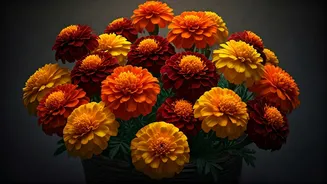
hues are considered auspicious, symbolising the sun's energy, prosperity, and purity. For generations, these blossoms have been offered to deities like Lord Ganesha and Goddess Lakshmi, strung into 'torans' to welcome guests and good fortune, and used to frame sacred wedding vows. This constant presence at life's most meaningful moments has turned the marigold into a visual language for celebration and devotion, a flower that feels both sacred and deeply familiar.
The Power of Authentic and Native Choices
In a world of globalised trends, there is a growing movement among designers to embrace authenticity and localism. Choosing native flowers like the marigold is a conscious decision to ground a space in its own culture. Marigolds are widely cultivated across India, from West Bengal to Maharashtra, making them an abundant and accessible choice. This is not just about aesthetics; it's a nod to sustainability. Using locally grown flowers reduces the carbon footprint associated with transporting exotic blooms and supports local economies. For design experts, incorporating an element that is so resilient, easy to grow, and culturally resonant is a powerful way to create spaces that feel both intentional and effortlessly authentic.
A Masterclass in Colour and Form
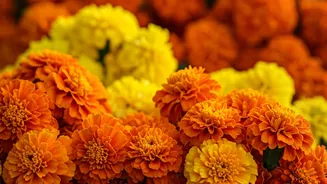
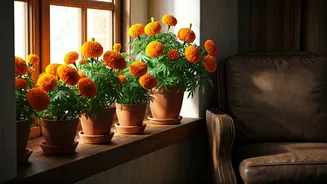
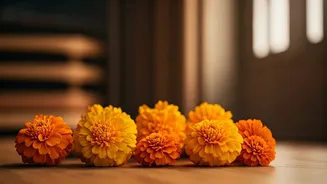
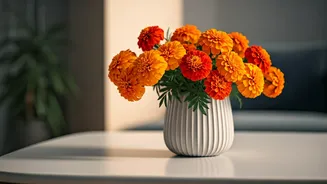
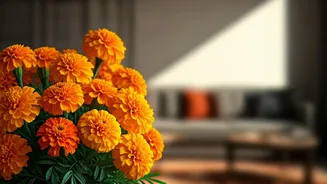
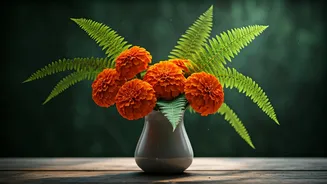
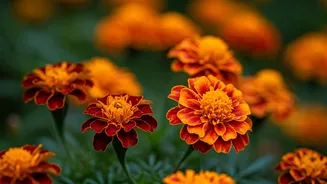
Beyond its symbolism, the marigold is a powerhouse of design. Its intense yellows and oranges are a lesson in colour theory, instantly injecting warmth, energy, and optimism into any setting. These shades act as a natural focal point, drawing the eye and making a space feel vibrant and alive. A recent trend has seen designers using “marigold floral” as a specific colour inspiration for fabrics and furniture. But experts appreciate its versatility in form as much as its colour. Modern arrangements are moving far beyond simple garlands. Today, designers experiment with floating marigolds in urlis (traditional bowls), creating dense floral runners for tables, crafting minimalist single-stem displays, and building large-scale luxury installations for events. This adaptability allows the humble genda to fit into rustic, minimalist, and maximalist decors with equal ease.
Practicality Meets Enduring Panache
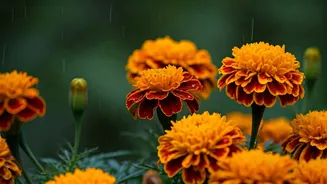
A key reason designers vouch for marigolds is their sheer practicality, a trait not all beautiful flowers possess. Marigolds are remarkably hardy. Their petals hold their shape and vibrant colour long after being plucked, resisting wilting even in warm climates. This makes them a reliable choice for long events and home decor that needs to last. Their distinctive, earthy scent grounds a space without being overpowering like some perfumed flowers. Furthermore, they are one of the most cost-effective flowers available, allowing for abundant, high-impact decoration without a lavish budget. This unique combination of durability, affordability, and timeless beauty is the secret weapon for many decorators. They deliver a luxurious feel and a deep sense of tradition, all while being one of the most sensible choices available in the market.