




Myth: A Few Plants Will Purify Your Home's Air
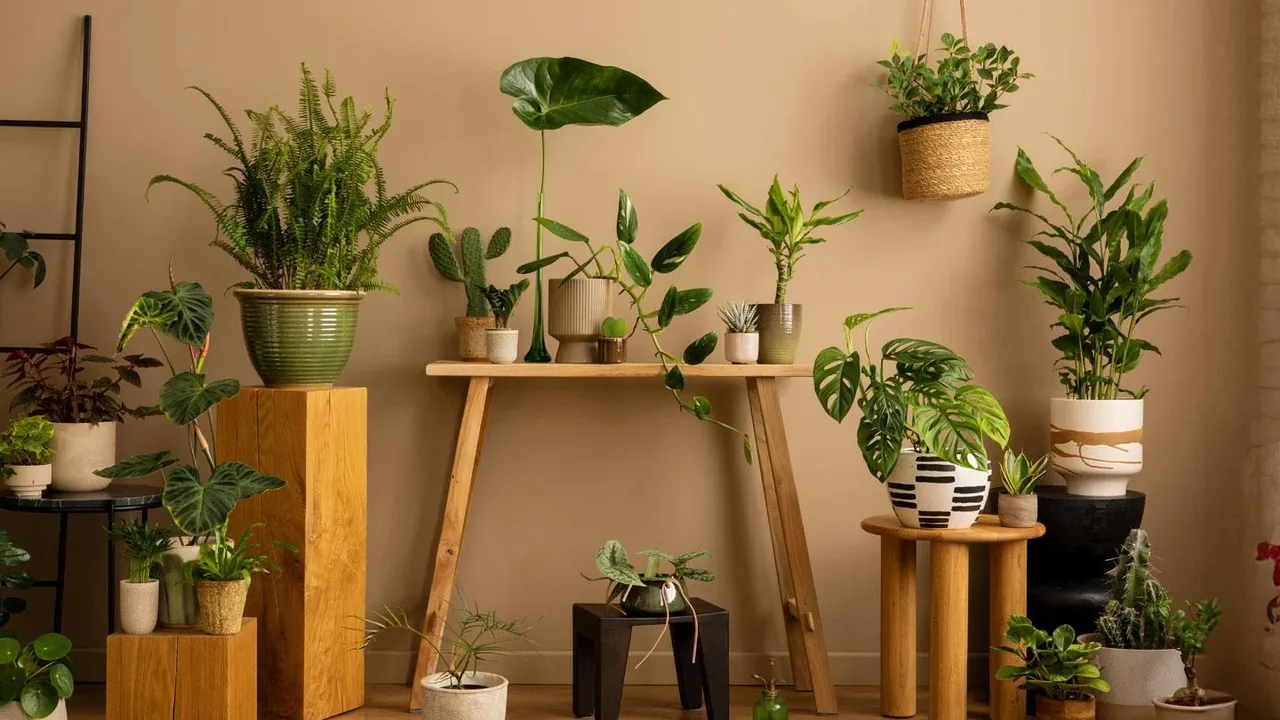
The most pervasive claim about houseplants is their ability to scrub the air of toxins. This idea stems largely from a 1989 NASA study which found that certain plants could remove volatile organic compounds (VOCs) like formaldehyde and benzene from the air.
The catch? The study was conducted in small, hermetically sealed chambers to simulate a space station, an environment vastly different from a typical home. A 2019 meta-analysis reviewing decades of research concluded that to replicate those air-purifying effects in a standard 1,500-square-foot home, you would need around 680 plants. In reality, the natural ventilation of your home—opening a window, for instance—is thousands of times more effective at clearing indoor air pollutants than a few potted plants. While plants do absorb some VOCs, the effect is so minimal in a normal living space that it's practically negligible.
Reality: They Genuinely Boost Mood and Reduce Stress
Where houseplants truly shine is in their psychological benefits, which are strongly supported by scientific research. Multiple studies have shown that interacting with and even just being around indoor plants can significantly reduce stress. A study in the Journal of Physiological Anthropology found that actively caring for a plant—in this case, repotting one—lowered the stress response in participants by suppressing sympathetic nervous system activity, which governs our 'fight or flight' response. Subjects reported feeling more comfortable, soothed, and relaxed after interacting with the plant compared to completing a short computer task. Other research confirms that the presence of plants can lower blood pressure and reduce feelings of anxiety, making your home a calmer and happier space.
Reality: They Can Improve Focus and Productivity
If you're looking for a mental edge at your home office, a plant might be a better investment than another coffee. Research from the University of Exeter found that introducing plants into a sparse office environment increased productivity by 15% and improved staff well-being by 47%. Other studies have shown that having plants in a workspace can improve concentration and even boost memory retention by up to 20%. The reason may be linked to what scientists call biophilia—our innate human desire to connect with nature. The simple presence of greenery can have a restorative effect on our minds, helping to reduce mental fatigue and improve our ability to pay attention.
Myth vs. Reality: The Joy is in the Journey
The underlying truth is that the greatest benefit of houseplants may not be passive, but active. It's the act of nurturing something and watching it thrive that brings profound satisfaction. This routine of watering, pruning, and checking for new growth encourages mindfulness and a gentle sense of purpose. Instead of buying plants as a quick fix for air quality, the real reward comes from engaging with them. Choosing plants that you find beautiful and learning how to care for them creates a connection to nature that is grounding and restorative. Any improvements to humidity or marginal reductions in airborne dust are simply a small bonus. The primary, proven benefit is the joy and calm they bring into your daily life.