



1. It Starts with Subtraction, Not Addition
The most common mistake in decorating is believing the next purchase will be the solution. In reality, the foundation of a calm home is intentional subtraction. Before you add anything new, you must edit what’s already there. This isn’t just about tidying
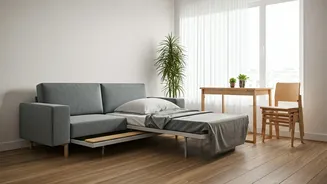
up; it’s an act of curation. A truly serene space is defined by what you choose to keep, not what you accumulate. Every object should have a purpose or bring you genuine joy. By clearing out the non-essential—the 'just in case' items, the outdated decor, the things you feel obligated to own—you create physical and mental breathing room. This process allows the items you truly love to shine, reducing the constant, low-level visual noise that contributes to a feeling of stress.
2. There Is a Limited, Cohesive Color Palette
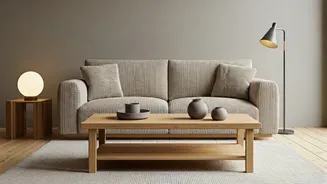
Walk into a truly peaceful room, and you'll notice it doesn't shout at you with a dozen competing colors. The secret is a restrained and cohesive color palette. This doesn't mean your home must be beige or all-white. It means choosing a family of three to five complementary colors and using them consistently throughout the space. A limited palette unifies a room, making it feel deliberate and orderly. Typically, this involves a dominant neutral (like a warm white, soft gray, or earthy tone), a secondary color, and one or two accent shades. This structure allows the eye to relax. Without the chaos of mismatched hues, your brain isn't working overtime to process conflicting visual information, resulting in a palpable sense of calm.
3. Negative Space Is an Active Ingredient
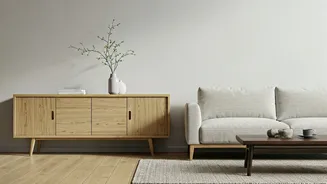
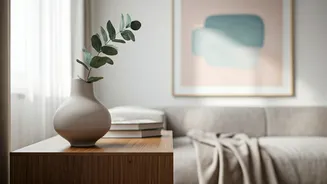
In music, the rests between the notes are as important as the notes themselves. The same is true for interior design. 'Negative space'—the empty areas around your furniture and objects—is a critical, active ingredient in a beautiful home. Many people feel an impulse to fill every wall and cover every surface. But a lack of empty space leads to a feeling of being crowded and overwhelmed. By intentionally leaving some walls bare, keeping surfaces mostly clear, and allowing space for furniture to 'breathe,' you create a visual hierarchy. This lets your eye rest and appreciate the individual pieces you’ve chosen. Negative space isn't wasted space; it’s the element that brings balance, sophistication, and tranquility to a room.
4. Natural Light Is the Star Player
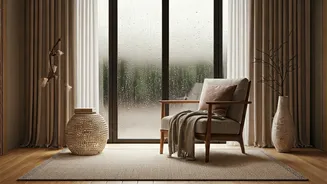
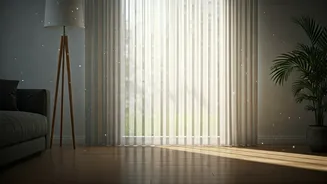
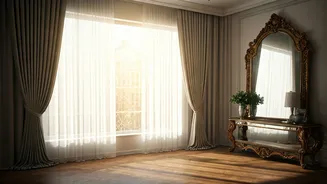
No lamp or light fixture can replicate the clarifying, mood-lifting quality of natural light. Calm homes don't fight their light source; they maximize it. This means choosing window treatments that prioritize light over heavy, ornate drapery. Sheer curtains, light-filtering blinds, or even bare windows (where privacy allows) invite the outdoors in and make a space feel larger and more alive. You can amplify existing light by strategically placing mirrors opposite windows. Pay attention to how light moves through your home during the day and arrange furniture accordingly. A reading chair in a sunny morning spot or a dining table that catches the afternoon glow feels thoughtful and deeply comforting.
5. Texture Does the Work of Clutter
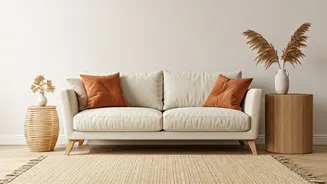
A calm home is not a sterile, cold one. The key to adding warmth and interest without adding clutter is texture. When the color palette is simple and the surfaces are clear, a rich variety of textures prevents the space from feeling flat or boring. Think of the interplay between a smooth wooden table, a nubby wool blanket, a soft linen pillow, and a woven jute rug. Each material engages the senses differently, creating a layered, cozy, and sophisticated environment. This tactile variety provides the same sensory richness as a collection of decorative objects, but in a much more integrated and calming way. It adds depth and comfort, inviting you to touch and experience the space, not just look at it.
6. The Home Tells a Personal Story
Ultimately, the most profound secret to a beautiful home is that it reflects the people who live there. A space that looks like a catalog page might be stylish, but it will never feel truly calm because it lacks soul. The final, essential layer is personality. This isn't about displaying every souvenir or family photo. It's about choosing meaningful art, treasured books, and objects that tell a story. Maybe it's a single, beautifully framed photo from a memorable trip, a piece of pottery made by a friend, or a collection of worn-in novels. These elements anchor a space in personal history and love. A home becomes a sanctuary when it's not just a collection of nice things, but a true and authentic reflection of your life.