


The August Garden Reality Check
By August, your garden is an open book. The combination of monsoon downpours and lingering humidity reveals what’s working and what isn’t. Some plants might be thriving, while others look tired, leggy, or have succumbed to fungal issues caused by waterlogged
soil. This is the month for an honest assessment. Current gardening advice emphasizes practical tasks like pruning away damaged growth and deadheading spent flowers on plants like hibiscus and marigolds to encourage a final flush of blooms. But these actions do more than just tidy up; they force you to look closely at gaps in your beds, at plants that struggled with the conditions, and at areas that lack texture or interest now that the initial burst of summer colour is fading. This assessment is the foundation for a stronger, more resilient garden.
Planting for an Autumn and Winter Showcase
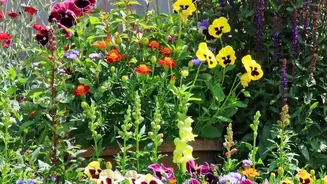
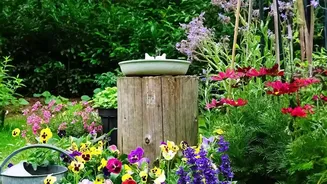
The most compelling argument for planning ahead is the opportunity to plant for the cooler seasons. August is a prime window for sowing seeds of winter-flowering annuals. Nurseries begin to stock seedlings of plants like pansies, petunias, and antirrhinums (snapdragons), which, if planted now, will have time to establish strong roots before the winter chill. Sowing marigolds and chrysanthemums in August ensures a vibrant display for the upcoming festive season. This is a direct shift away from the instant gratification of buying a plant that is already in full, glorious bloom. Instead, you are purchasing potential. You are buying small, unassuming green plants with the knowledge that your foresight in August will be rewarded with a garden full of colour in November and December, long after the summer annuals have finished.
Investing in Structure, Not Just Spectacle
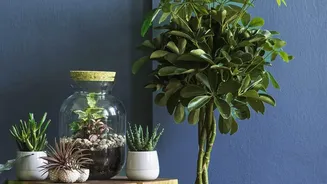
Flowers are fleeting, but a garden’s structure provides year-round appeal. Late summer advice often includes tending to fruiting plants like lemons and guavas, or hardy herbs like curry leaf and tulsi. These aren't just about produce; they are structural elements. Similarly, foliage plants like money plant (pothos) or snake plant provide texture and greenery even when nothing is flowering. When you visit a nursery, it’s easy to be seduced by the brightest blooms. However, a strategic gardener learns to look for other qualities. Look for plants with interesting leaf shapes, colours, or textures. Consider evergreen shrubs that will provide a backbone to your garden in the leaner months. Think about ornamental grasses that will catch the winter light. These elements are the 'good bones' of your garden, ensuring it never looks completely bare.
Shifting Your Shopping Mindset
The next time you are at a nursery, challenge yourself to think like a long-term planner. Instead of asking “What looks beautiful right now?” ask “What will this plant do for my garden in three, six, or nine months?” Read the plant tags. Look for information on mature size, light requirements, and blooming season. A small, non-flowering perennial might not catch your eye today, but its tag might tell you it will produce stunning blooms in spring or has beautiful autumn foliage. Experts suggest this is an excellent time to note the successes and failures in your garden to inform future purchases. Don't just buy a flash of colour; buy a solution to a problem you identified during your August reality check. Buy a plant that will fill a gap, one that will tolerate that tricky shady corner, or one that will provide vertical interest against a bare wall.