






The Allure of Living History
There is an undeniable romance to staying in a place steeped in history. India, with its magnificent legacy of palaces, forts, and colonial mansions, offers travellers a unique chance to sleep within the walls of a bygone era. These properties are more
than just luxurious hotels; they are pitched as living museums where guests can experience the grandeur of royal life firsthand. From the shimmering Taj Lake Palace in Udaipur to the formidable Umaid Bhawan Palace in Jodhpur, the appeal is the promise of stepping into a story. We are drawn to these places not just for comfort, but for connection—a chance to feel the echoes of the past and inhabit a world grander than our own.
When History Feels Like a Prop
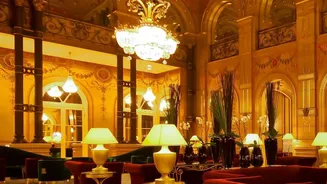
Too often, however, the 'story' feels like a theatrical set. The history is presented as a static display: a gallery of faded photographs in a corridor, a formal plaque by the entrance, or a collection of antiques behind velvet ropes. While beautiful, this approach can turn history into a prop rather than a living narrative. The story is confined to the lobby, reduced to a visual backdrop for a luxury experience. Guests are invited to look, but not to engage. The building's past becomes a decorative theme, its soul kept at a polite distance. This curated perfection risks feeling sterile, missing the emotional connection that modern travellers increasingly seek.
Beyond the Gilded Frame
A hotel's story is richer and more complex than its architecture alone. It lives in the culinary traditions of its region, the craftsmanship of the local artisans who maintain it, and the memories of the staff who walk its halls every day. The most compelling heritage experiences are those that weave these threads into the guest's stay. Imagine a menu that explains the origins of a regional dish once served to the maharaja, a workshop that introduces you to the artisan who crafted the tiles in your room, or a garden tour that reveals the secrets of the landscape. These are the details that breathe life into history, making it tangible and personal. This is the difference between being a spectator and being a participant in the hotel's continuing story.
The Power of the Human Storyteller
Ultimately, the most powerful conduits for a hotel's story are its people. Research and best practices show that when staff are empowered as storytellers, the guest experience is transformed. Some of the finest heritage properties in India understand this deeply. At hotels like The Taj Mahal Palace in Mumbai, dedicated 'Palace Historians' lead guests on heritage walks, sharing anecdotes and hidden details that aren't found in any guidebook. Jahan Numa Palace in Bhopal trains its team to narrate the legacy of the city's ruling Begums, using family archives to offer an intimate glimpse into the past. These interactions create real connections, turning employees from service providers into cultural stewards who are proud to share the legacy of their workplace.
Becoming Part of the Narrative
A restored hotel has a dual role: to provide exceptional hospitality and to act as a custodian of culture. By moving beyond superficial displays, these properties can offer a far more profound and memorable experience. They can become places where the past is not just preserved, but actively shared and interpreted. When a hotel invites you to learn the story behind a particular carving, taste a recipe passed down through generations, or hear a tale from a long-serving staff member, it does more than just host you. It allows you to become a small part of its ongoing history, adding your own chapter to a narrative that spans centuries.